From walkouts over climate change to demonstrations for racial justice or gun control, student protests have become a staple of American activism. While many see them as a vital way for young people to engage in democracy, a notable number of Americans express concern, with some even wishing to restrict or ban certain protests on school grounds.
Critics argue that these demonstrations disrupt education, create safety risks, or push political agendas, while supporters insist they teach civic responsibility and amplify voices that might otherwise be ignored. Whether marching in the streets or waving signs in a cafeteria, student protesters continue to spark both admiration and controversy.

Many Americans are concerned about the impact of plastic straws on our environment. These small items contribute significantly to ocean pollution, harming marine life and spoiling our beautiful coastlines. By banning plastic straws, we can reduce waste and encourage the use of eco-friendly alternatives like metal or paper straws.
For those who love fishing, swimming, or simply enjoying a clean beach, this ban could help preserve our natural resources for future generations. It's a small change that can make a big difference in protecting our planet that aligns with global efforts to reduce plastic waste and protect our oceans!
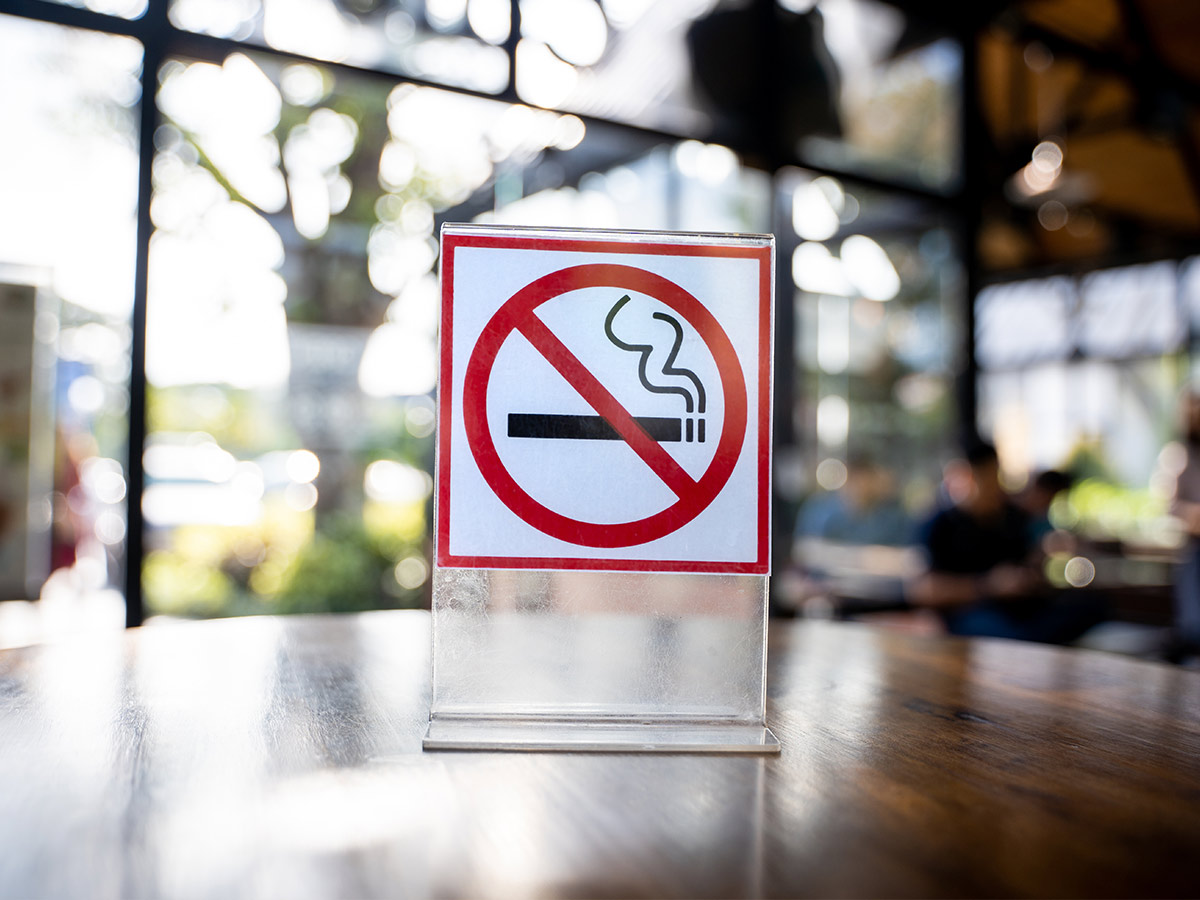
Smoking in public places is a concern for many Americans who want to protect their health and the health of others. Secondhand smoke can cause serious health problems, especially for children, the elderly, and those with respiratory issues.
Banning smoking in public places would create cleaner air and healthier environments for everyone. This measure respects the rights of non-smokers while encouraging smokers to consider the impact of their habits on those around them as well as reducing the number of cigarette bursts littering public spaces.

Advocates praise this product for taste, nutrition, and a “farm-to-table” authenticity you just can’t get from supermarket cartons. Critics, including the Centers for Disease Control, warn that raw milk can carry dangerous bacteria like E. coli, Salmonella, and Listeria, which can make even healthy adults seriously ill.
Not surprisingly, many Americans would like to see raw milk banned or more tightly regulated, balancing culinary freedom with public health concerns. The debate boils down to one question: is the thrill of fresh, unprocessed milk worth the potential risk of a very unhappy stomach?

Legal nationwide since 2015, this subject remains a surprisingly contentious topic in pockets of American opinion. While support has grown steadily over the years, polling shows that a small, but vocal, segment of the population would like restrictions reinstated or even for it to be illegal.
Opponents often cite religious or traditional beliefs, whereas supporters emphasize equality, civil rights, and the legal protections marriage provides. For most Americans, marriage equality is now a normalized part of society, yet the fact that some still wish to outlaw it underscores how deeply personal, political, and sometimes emotional the question of marriage rights remains in the United States.
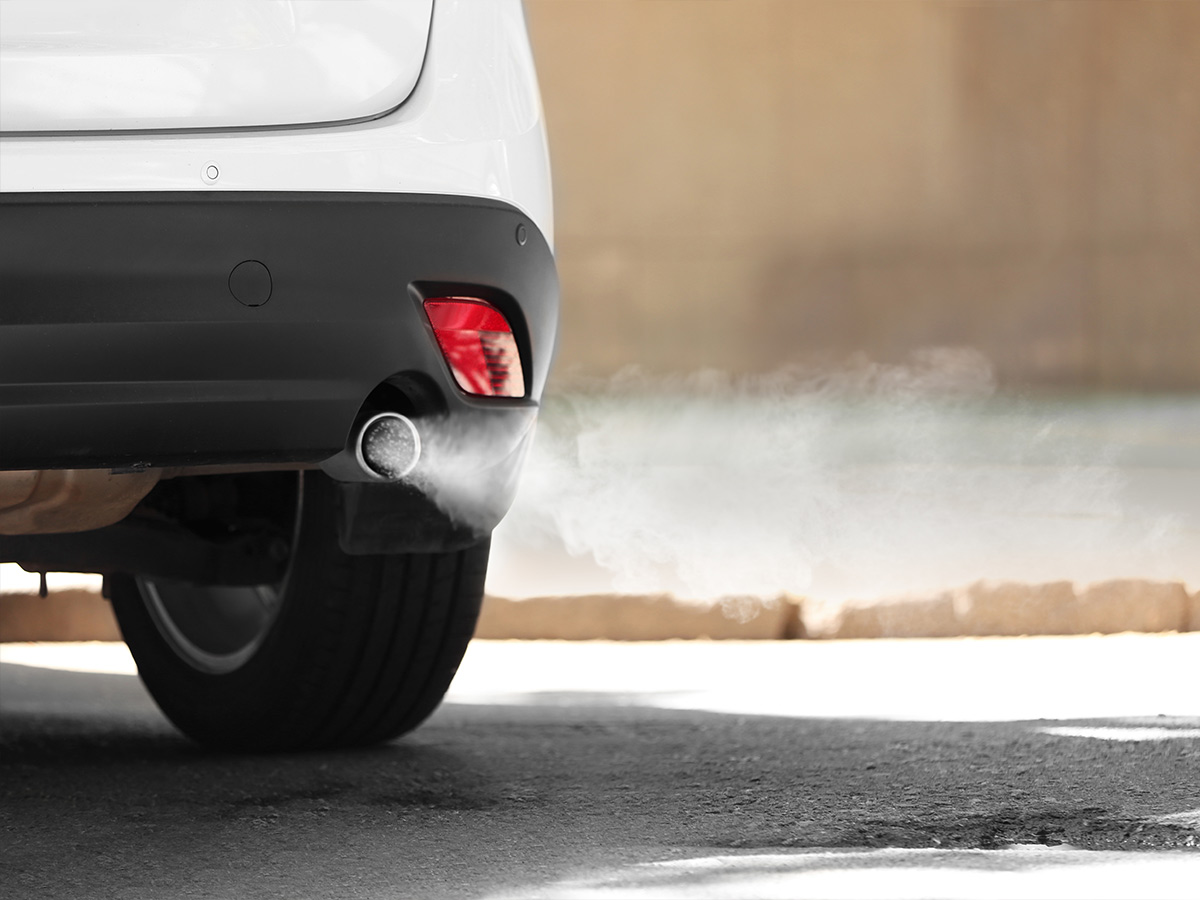
Reducing carbon emissions from vehicles is a priority for many Americans concerned about the environment. Cars and trucks are major contributors to air pollution and climate change. By implementing stricter regulations on vehicle emissions, we can reduce our carbon footprint and improve air quality.
This would lead to a healthier environment, benefiting not only our generation but also future generations. Cleaner air means better health for everyone, and a step towards a sustainable future, protecting our planet from extreme weather events and other environmental hazards.
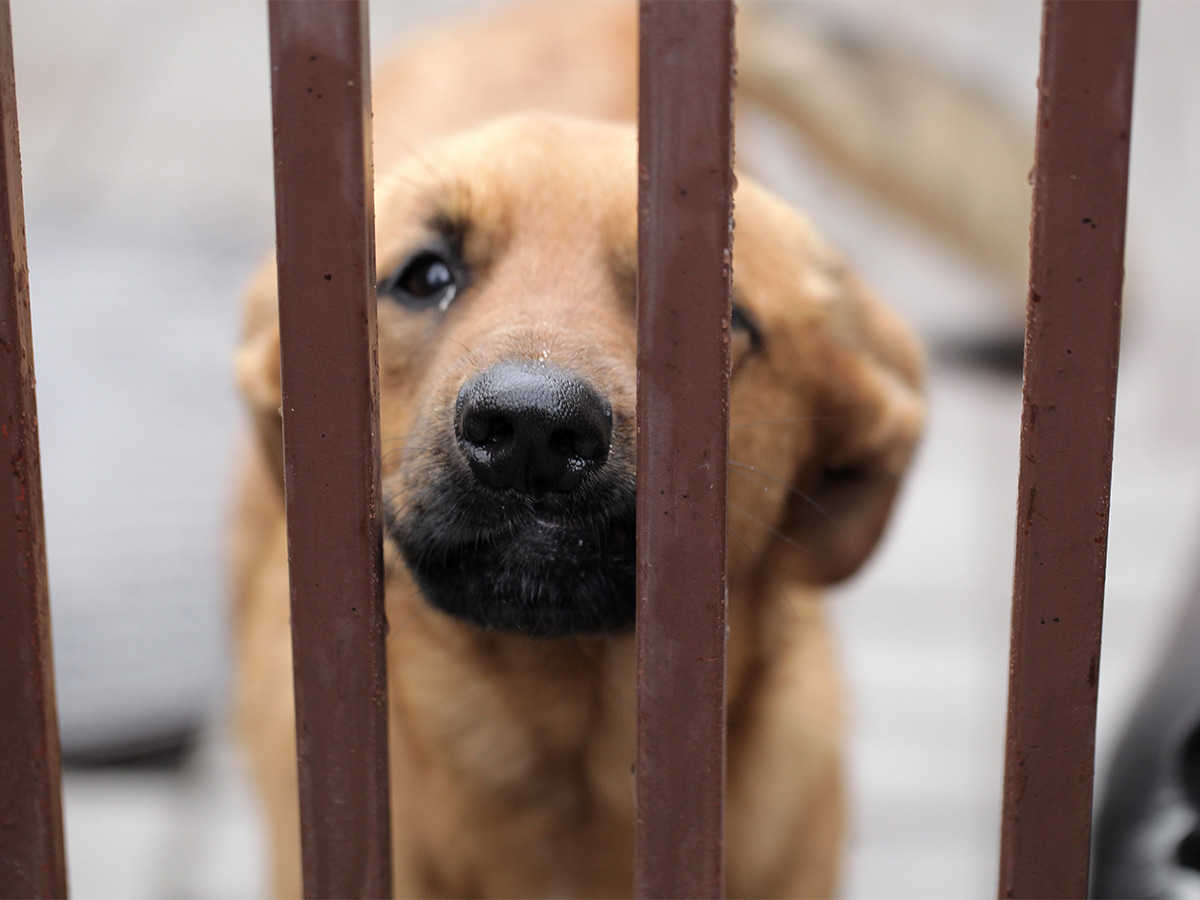
Animal cruelty is an issue that deeply concerns many Americans. Whether it's in factory farms, testing laboratories, or in domestic settings, mistreating animals is seen as morally wrong and unacceptable. By making animal cruelty illegal, we can ensure that animals are treated with the respect and care they deserve.
Stronger laws and stricter enforcement would help protect pets, livestock, and wildlife from unnecessary suffering, reflecting our nation's compassion and ethical standards.
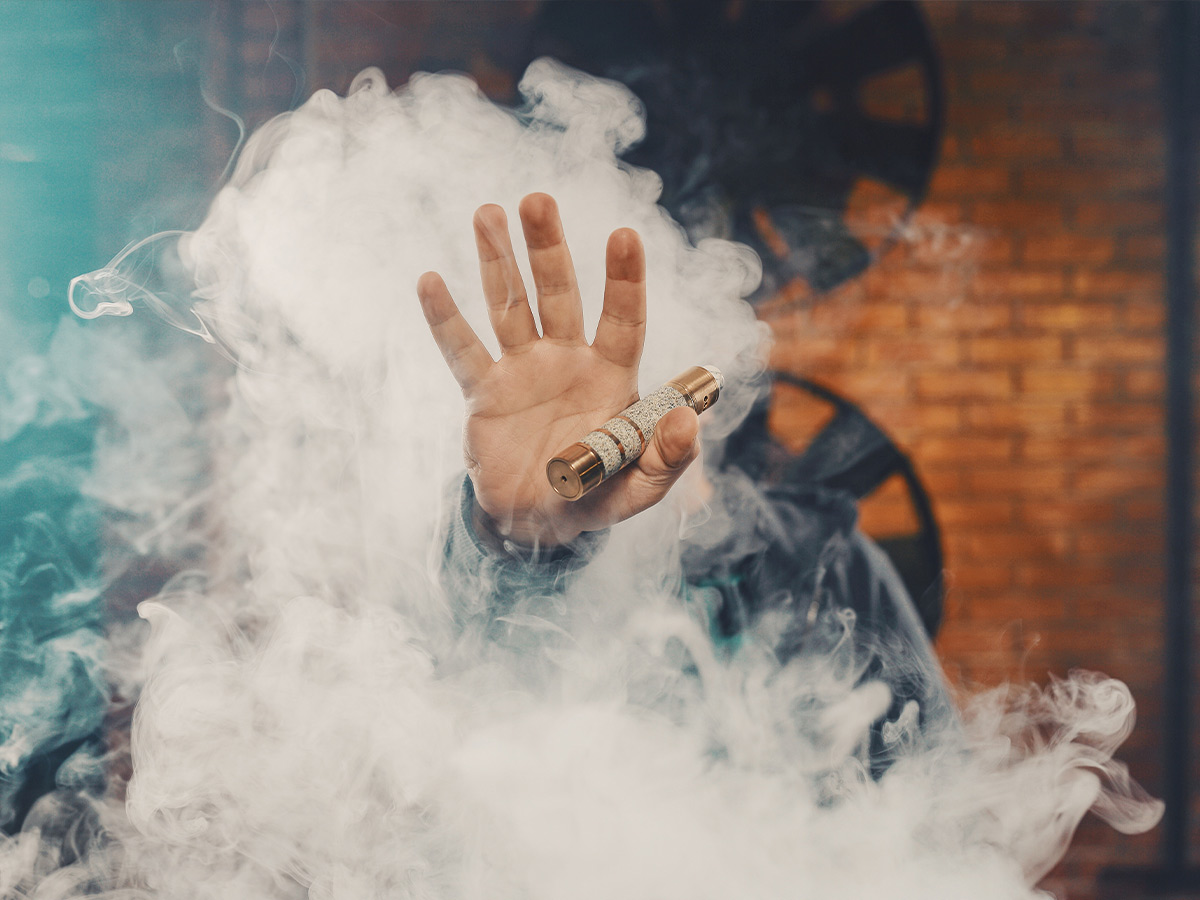
Vaping in public spaces is a growing concern, especially with the rise in youth vaping. Many Americans want to see this practice banned in public areas to protect non-users from secondhand vapor and discourage underage vaping.
By prohibiting vaping in public spaces, we can promote healthier environments and reduce the influence of vaping on young people. This ban would help ensure that public places remain safe and pleasant for everyone.

Critics liken loot boxes in video games to gambling, especially since children and teens can spend real money for a chance at virtual rewards. Surveys show that many Americans would like loot boxes restricted or even made illegal, arguing that they exploit young players and promote addictive spending habits.
Game companies defend them as optional extras that fund free-to-play titles, but public concern persists, particularly around transparency and fairness. So, how do we protect vulnerable players while still letting gamers chase the thrill of virtual loot without risking real-world consequences? In short, some digital treasures are proving far too costly.
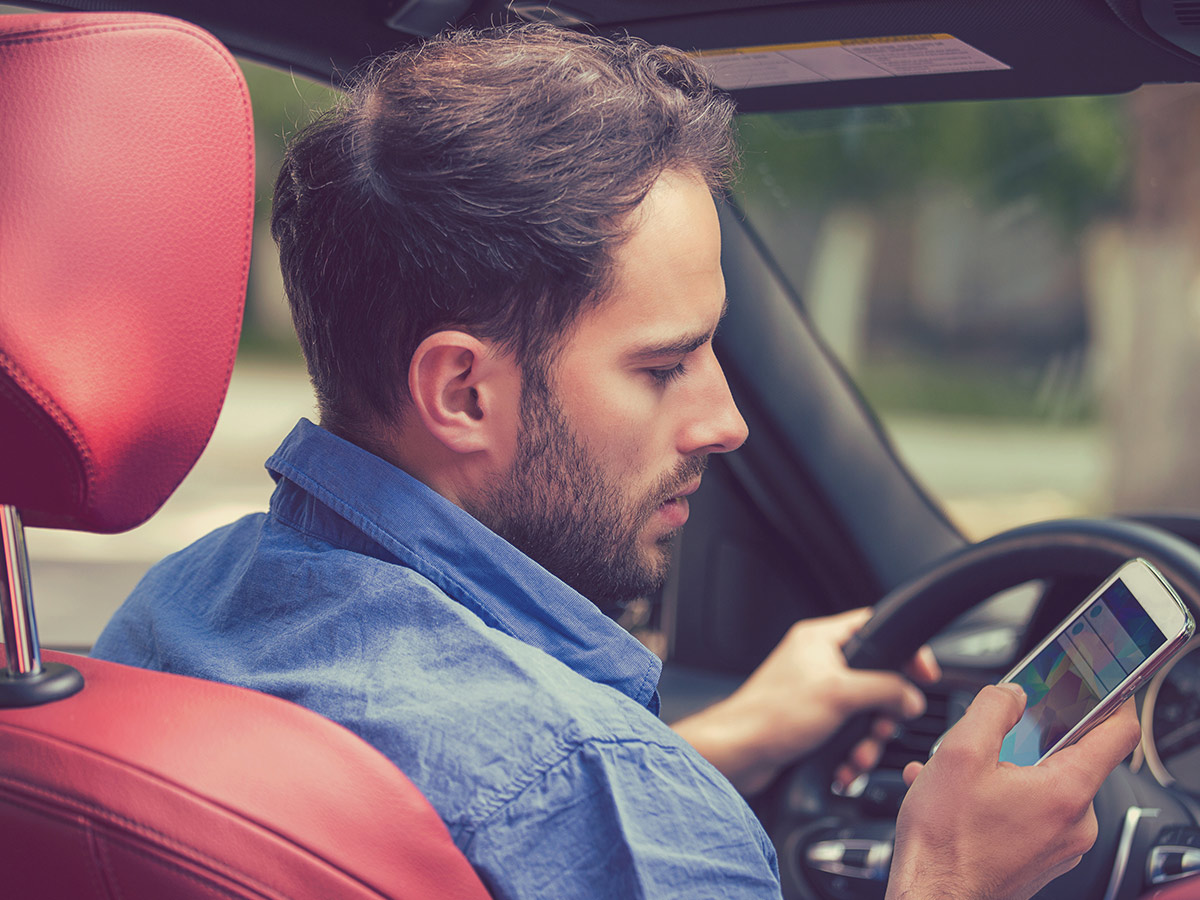
Texting while driving is a dangerous habit that many Americans believe should be banned. Distracted driving leads to countless accidents, injuries, and fatalities every year. By making it illegal to text while driving, we can reduce these risks and make our roads safer for everyone.
This ban would encourage drivers to stay focused on the road, preventing accidents and saving lives. It's a common-sense measure that promotes responsible driving and public safety. Plus, it could help reduce insurance costs by decreasing the number of accidents caused by distracted driving. It also sets a good example for young drivers, teaching them the importance of maintaining full attention while behind the wheel.

Single-use plastic bags are another environmental hazard that many Americans want to see banned. These bags often end up in landfills, oceans, and streets, taking hundreds of years to decompose. Reusable bags made from cloth or other durable materials can easily replace them.
Banning single-use plastic bags would not only reduce litter but also encourage responsible shopping habits. It's a simple step towards a cleaner, greener America, helping to protect wildlife and reduce pollution in our communities

Abortion remains one of the most polarizing issues in the United States. Since the Supreme Court’s 2022 decision overturning Roe v. Wade, states have gained the power to restrict or ban the procedure, sparking heated debate nationwide. Polls show that while a majority of Americans support the right to choose in at least some circumstances, a significant portion would like abortions to become illegal or severely limited.
Opponents often cite moral, religious, or ethical concerns, while supporters argue for reproductive freedom, bodily autonomy, and access to safe medical care. The issue blends law, politics, and personal belief, making it a lightning rod for activism on both sides.

Rent gouging, or excessively raising rental prices, is a practice that many Americans want to see banned. It can make housing unaffordable for many people, leading to financial stress and homelessness. By making rent gouging illegal, we can protect renters from unfair practices and ensure access to affordable housing. This ban would promote stable and fair housing markets, helping individuals and families find and keep safe, affordable homes.
Banning rent gouging can help stabilize communities, preventing displacement and promoting economic security that encourages landlords to adopt fairer pricing practices, contributing to a more balanced and equitable housing market.
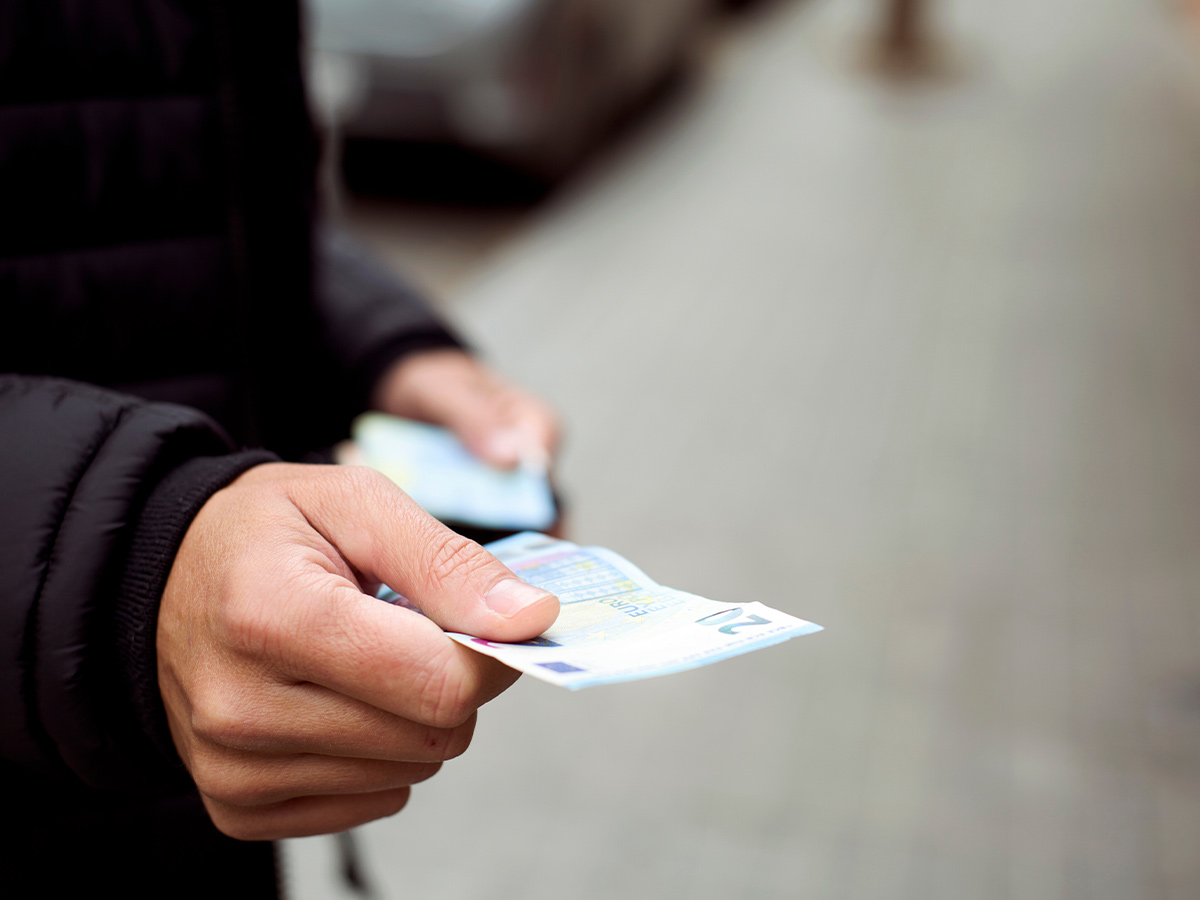
Prostitution is a controversial issue that many Americans want to see banned. They argue that it often involves exploitation, human trafficking, and health risks. By making paid escorts illegal, we can protect vulnerable individuals from being exploited and improve public health and safety.
This ban would also help law enforcement focus on more serious crimes and support efforts to provide assistance and rehabilitation for those involved in the trade, as well as reduce the spread of diseases and other health issues.
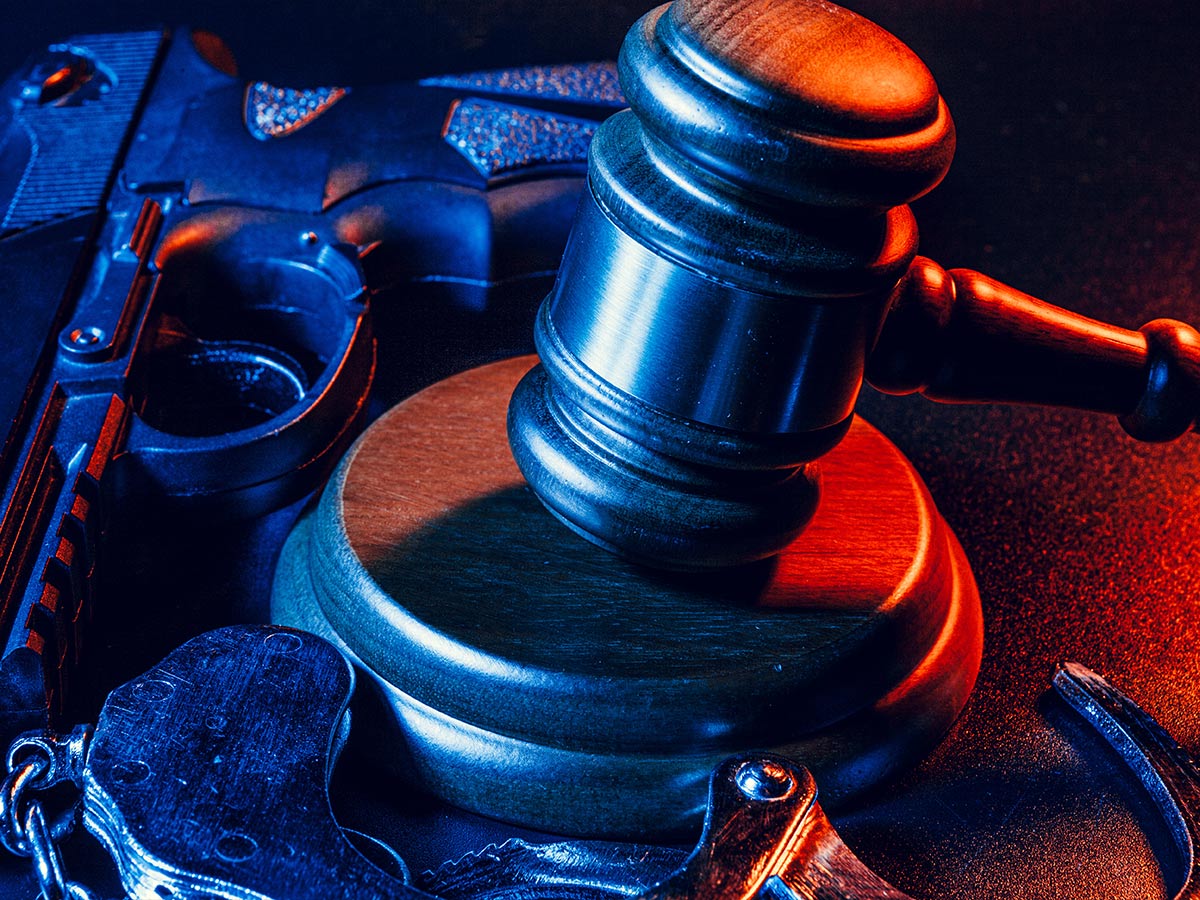
The presence of guns in public spaces is a contentious issue. Many Americans feel that banning guns in places like parks, schools, and shopping centers would enhance public safety. While supporting the right to bear arms, they believe that certain areas should be gun-free to prevent accidents and ensure a sense of security for families and children. This approach balances the Second Amendment rights with the need for safer public environments, creating a more peaceful society.
Gun-free zones can help law enforcement manage and respond to potential threats more effectively. They also provide peace of mind for parents and community members, knowing that public spaces are safer and more secure.

Predator pets, think alligators, big cats, and venomous snakes lounging uncomfortably close to the couch, are legal in parts of the U.S., but many Americans would prefer they weren’t. Public concern tends to spike every time an exotic animal escapes, attacks, or requires a SWAT team and a tranquilizer dart to resolve the situation.
Animal welfare advocates argue these animals suffer in private ownership, while public safety officials warn that even well-meaning owners can’t fully control instinct-driven predators. Although federal law regulates certain species, enforcement is patchy, leaving states to decide what’s allowed.
The result? A growing chorus of Americans calling for stricter bans, unified laws, and fewer headlines that begin with “Authorities say the alligator was being kept as a pet.”

While scientists hail it as a solution to climate change, animal welfare, and the inefficiencies of traditional farming, many Americans aren’t quite ready to embrace a steak grown in a lab dish. Surveys reveal that a surprising portion of the population would like to see lab-grown meat regulated more strictly or even banned outright.
Concerns range from “Is this really safe?” to “It’s unnatural!” and even “What happened to real cows?” Humor aside, the debate highlights a tension at the heart of food innovation: the push for sustainability versus the pull of tradition, taste, and comfort with the familiar. Clearly, not everyone is ready to dine on science yet.

Fracking, a method of extracting oil and gas, is controversial due to its environmental impact. Many Americans want to ban fracking because it can contaminate water supplies, cause earthquakes, and contribute to air pollution. By making fracking illegal, we can protect our natural resources and promote cleaner energy alternatives. This ban would help ensure the health and safety of our communities and the environment.
Banning fracking can encourage investment in renewable energy sources, reducing our dependence on fossil fuels. It also addresses concerns about the long-term sustainability of fracking, promoting a more balanced and responsible approach to energy production.

Cigarettes and tobacco products are linked to numerous health problems, including cancer and heart disease. Many Americans believe these products should be banned to protect public health. By making cigarettes and tobacco products illegal, we can reduce smoking rates and prevent related illnesses and deaths. This ban would encourage healthier lifestyles and reduce the burden on our healthcare system.
It's a bold step towards a healthier nation that could lead to citizens saving billions in healthcare costs. It also aligns with global public health efforts to reduce tobacco use and its devastating effects, reinforcing America's leadership in health promotion.

Magazines holding more than 10 rounds, sit at the center of America’s gun debate. While legal at the federal level, they’re already banned or restricted in several states, and many Americans would like to see those limits go nationwide. Supporters of a ban argue that these magazines enable mass shootings to become deadlier by allowing shooters to fire more rounds without reloading.
Opponents counter that magazine limits infringe on Second Amendment rights and won’t stop criminals who ignore gun laws anyway. Polling consistently shows that a majority of Americans favor restrictions on high-capacity magazines, even as gun ownership remains widespread. It’s a debate fueled by public safety fears, constitutional arguments, and the uniquely American challenge of balancing rights with responsibility.

TikTok, the short-form video app that turned lip-syncing and dance challenges into a global craze, is also at the center of American controversy. While millions scroll daily for entertainment, news, and creativity, many Americans worry about privacy, data security, and the app’s influence on kids and teens.
Polls show a significant portion of the population would like to see TikTok banned or heavily restricted in the U.S., citing fears that user data could be accessed by foreign governments and that the platform encourages screen addiction. Supporters argue it’s just another social media app and a cultural lifeline for creators.

Conversion therapy, aimed at changing an individual's romantic orientation, is a practice many Americans want to see banned. It's widely considered harmful and ineffective, often leading to mental health issues. By making conversion therapy illegal, we can protect individuals from psychological harm and promote acceptance of diverse identities.
This ban would uphold the dignity and rights of all individuals, fostering a more inclusive society that reduces the stigma associated with LGBTQ+ identities. It also aligns with medical and psychological professional standards, ensuring that individuals receive appropriate and supportive care no matter who they are.

Child marriage is a practice that many Americans believe should be outlawed. Marrying before the age of 18 can lead to numerous problems, including a lack of education and an increased risk of domestic violence. This ban can help break the cycle of poverty and abuse that often accompanies child marriage.
Banning child marriage would protect young people, ensuring they have the opportunity to grow up, pursue their education, and make mature decisions about their futures. It's a step towards safeguarding the well-being and rights of children across the nation, and aligns with international human rights standards, reinforcing America's commitment to protecting the most vulnerable members of society.

Hate speech is a growing concern that many Americans believe should be banned. Speech that incites violence, discrimination, or hostility towards individuals based on race, religion, gender, or other characteristics undermines our values of equality and respect.
By making hate speech illegal, we can promote a more inclusive and respectful society. This ban would help protect vulnerable communities from verbal attacks and foster a culture of understanding and tolerance.

From facial recognition cameras to AI-driven license plate readers, surveillance technologies are becoming more common in cities, stores, and even neighborhoods. While some Americans see them as tools for safety and crime prevention, many others worry they’ve crossed the line into Big Brother territory.
Polls show a significant portion of the population would like stricter limits or outright bans on certain types of surveillance, citing privacy, government overreach, and the risk of mistaken identity.
Critics argue that the technology disproportionately targets minorities and vulnerable communities, while supporters insist it’s a necessary deterrent against crime. The debate reflects a broader tension: Americans want security, but not at the cost of constant observation, proving that privacy is still a hot-button issue in the digital age.

Corporate tax loopholes allow large companies to avoid paying their fair share of taxes, which many Americans find unfair. By closing these loopholes, we can ensure that corporations contribute appropriately to the economy. This would provide more funds for public services like education, healthcare, and infrastructure.
Making corporate tax loopholes illegal would promote fairness in the tax system and help support the financial well-being of our country. Closing these loopholes can level the playing field for smaller businesses, promoting competition and innovation. It also helps restore public trust in the tax system, showing that everyone is contributing their fair share to support our nation's needs.