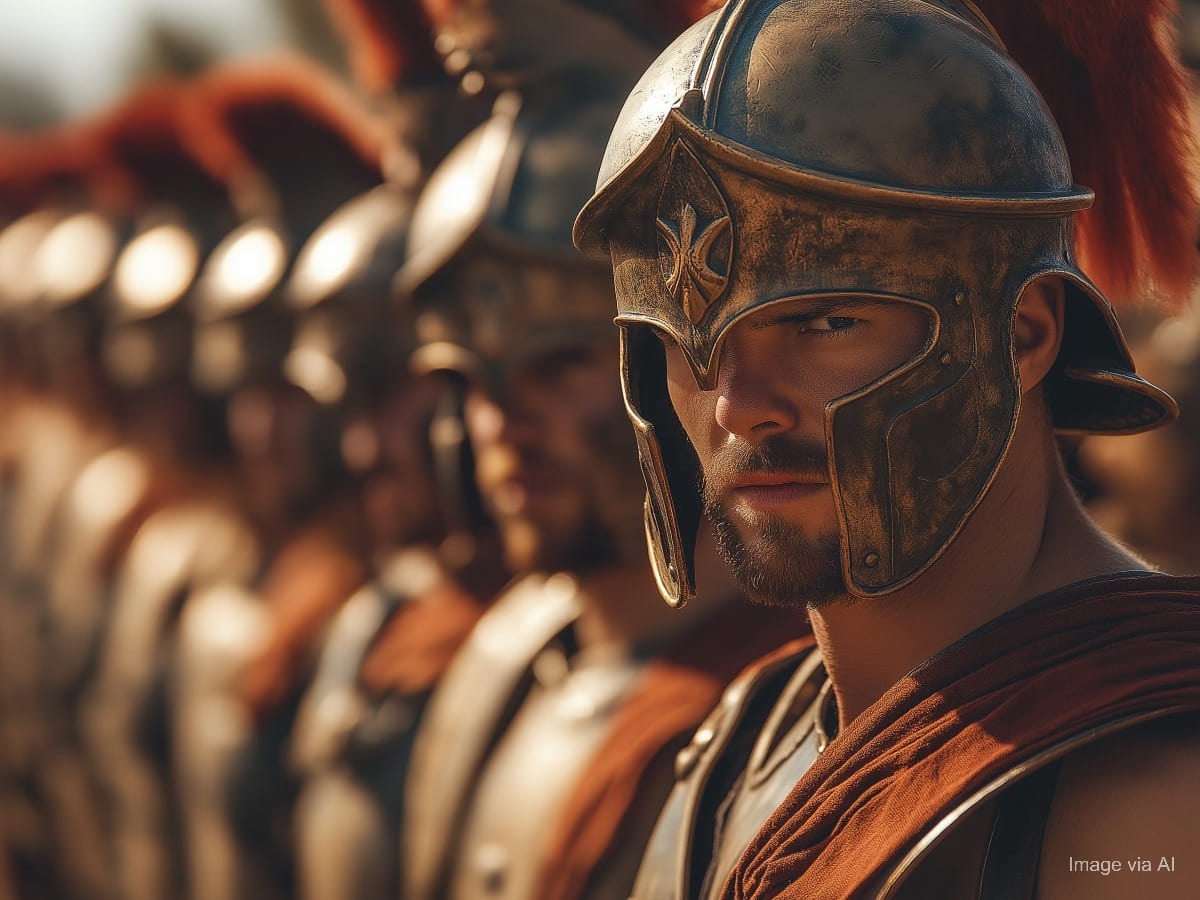
The Battle of Marathon in 490 BCE was a landmark battle in the Greco-Persian Wars. A Greek army, primarily Athenian, defeated a larger Persian force on the Plain of Marathon, about 26 miles from Athens. The Athenians, led by Miltiades, used superior tactics, including a double envelopment maneuver, to overcome the Persian advantage in numbers.
The victory of the Greeks prevented the subjugation of Athens and boosted morale and unity. The battle is famous for the legend of Pheidippides, who allegedly ran from Marathon to Athens to announce the victory, inspiring the modern marathon race. Marathon demonstrated that the Persian Empire was not invincible and set the stage for future Greek resistance to Persian expansion.

The Battle of Thermopylae in 480 BCE is one of history's most famous last stands. A small Greek force, led by King Leonidas of Sparta and his 300 Spartan warriors, held off a massive Persian army for three days at a narrow coastal pass. Although ultimately defeated, their sacrifice bought time for the Greek city-states to mobilize and eventually repel the Persian invasion.
The battle became a symbol of courage against overwhelming odds and the power of strategy and terrain in warfare. Leonidas and his men's bravery has been immortalized in literature, art, and popular culture, representing the spirit of resistance and sacrifice for one's homeland.
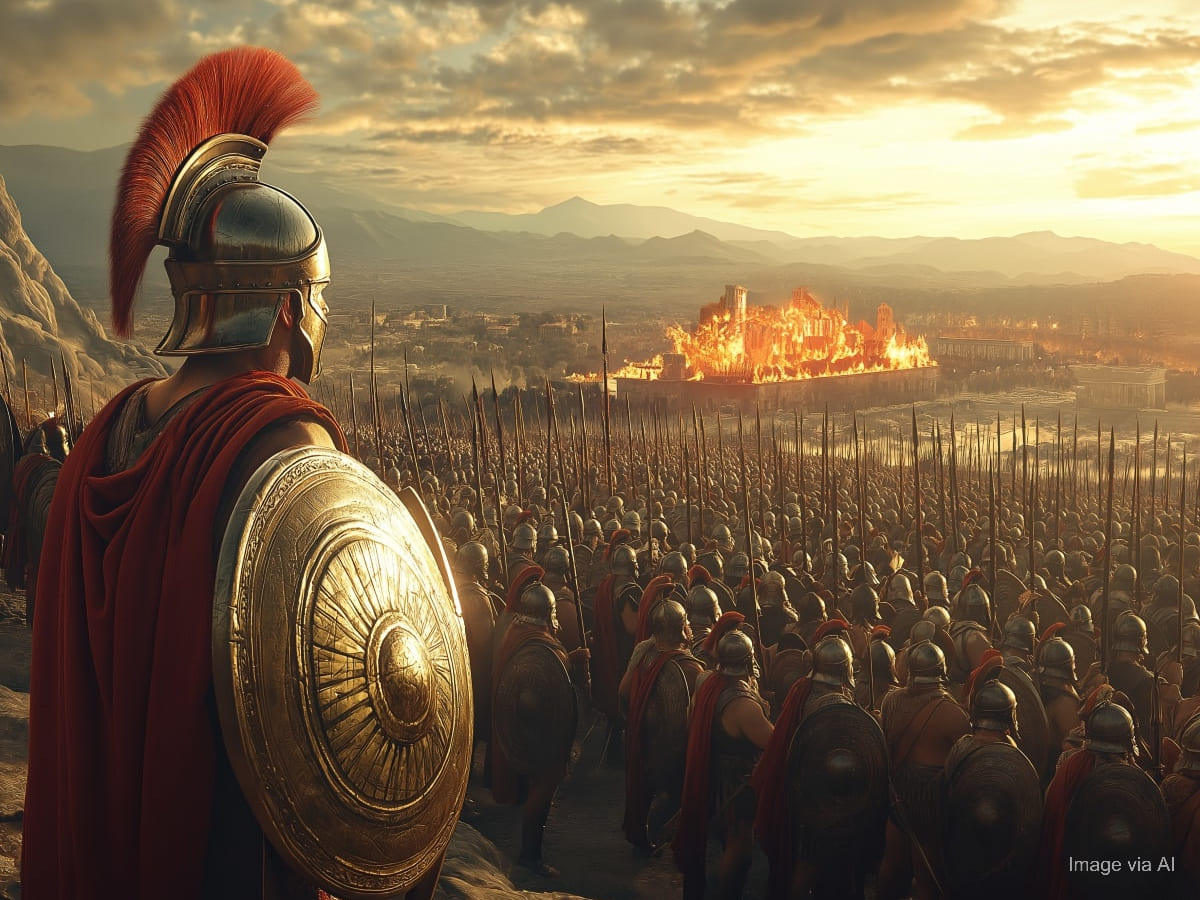
The Battle of Plataea in 479 BCE was the final major battle of the second Persian invasion of Greece. Following the Persian defeat at Salamis, the Greek city-states united to face the remaining Persian land forces. Led by the Spartan regent Pausanias, the Greek army decisively defeated the Persians under Mardonius.
This victory, along with a simultaneous Greek naval victory at Mycale, effectively ended the Persian threat to mainland Greece. The battle demonstrated the effectiveness of the heavily armed Greek hoplite phalanx against the more lightly armed Persian forces. Plataea marked the end of the Greco-Persian Wars and secured Greek independence, paving the way for the Golden Age of Athens.
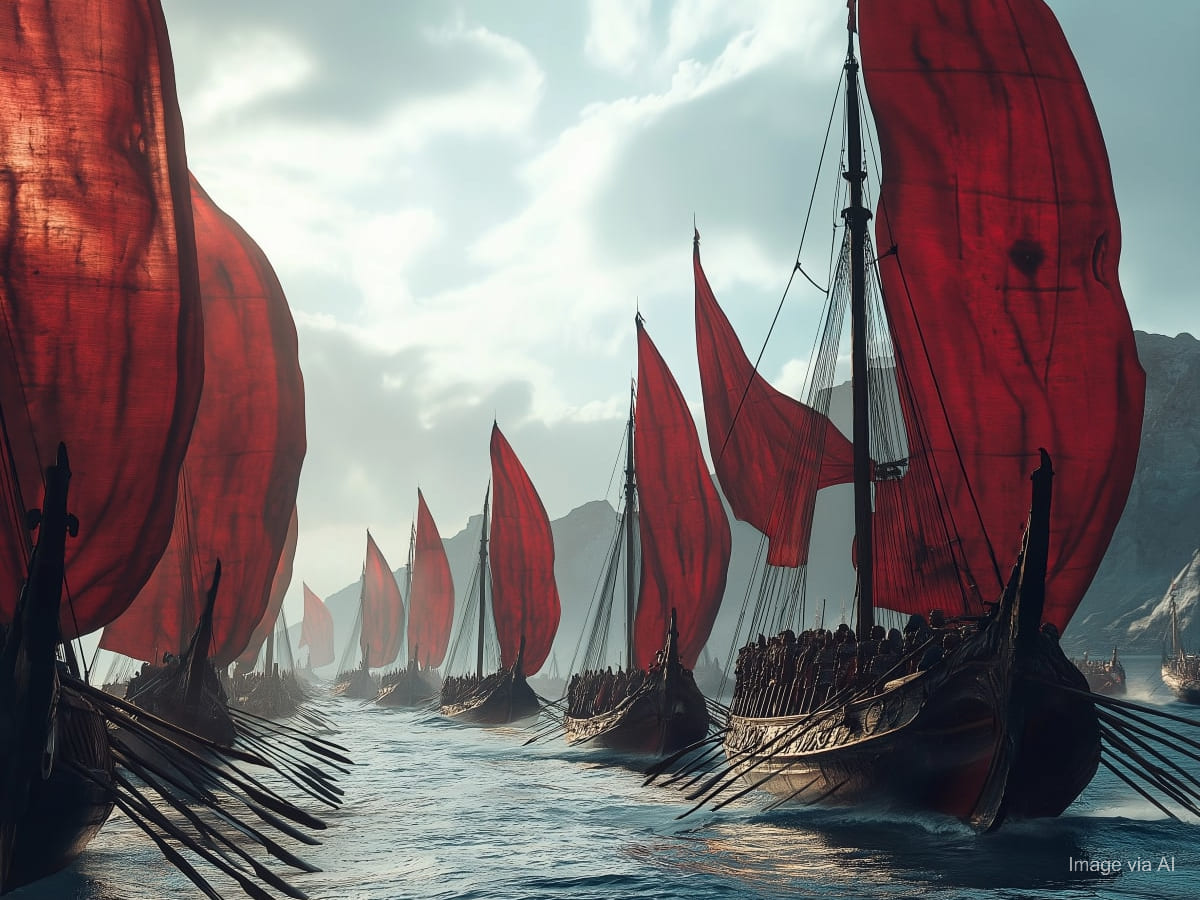
The Battle of Mylae fought in 260 BCE during the First Punic War, was a significant naval engagement between the Roman Republic and Carthage. It marked Rome's first major naval victory. The Romans, traditionally a land power, had rapidly built a fleet to challenge Carthaginian naval supremacy.
Under Gaius Duilius, the Romans employed the Corvus, a boarding bridge that allowed them to turn a sea battle into a land-style fight, negating the Carthaginian naval experience. This innovative tactic led to a decisive Roman victory. The battle demonstrated Rome's adaptability and marked a turning point in the war, showing that Rome could challenge Carthage at sea. It set the stage for future Roman naval dominance in the Mediterranean.
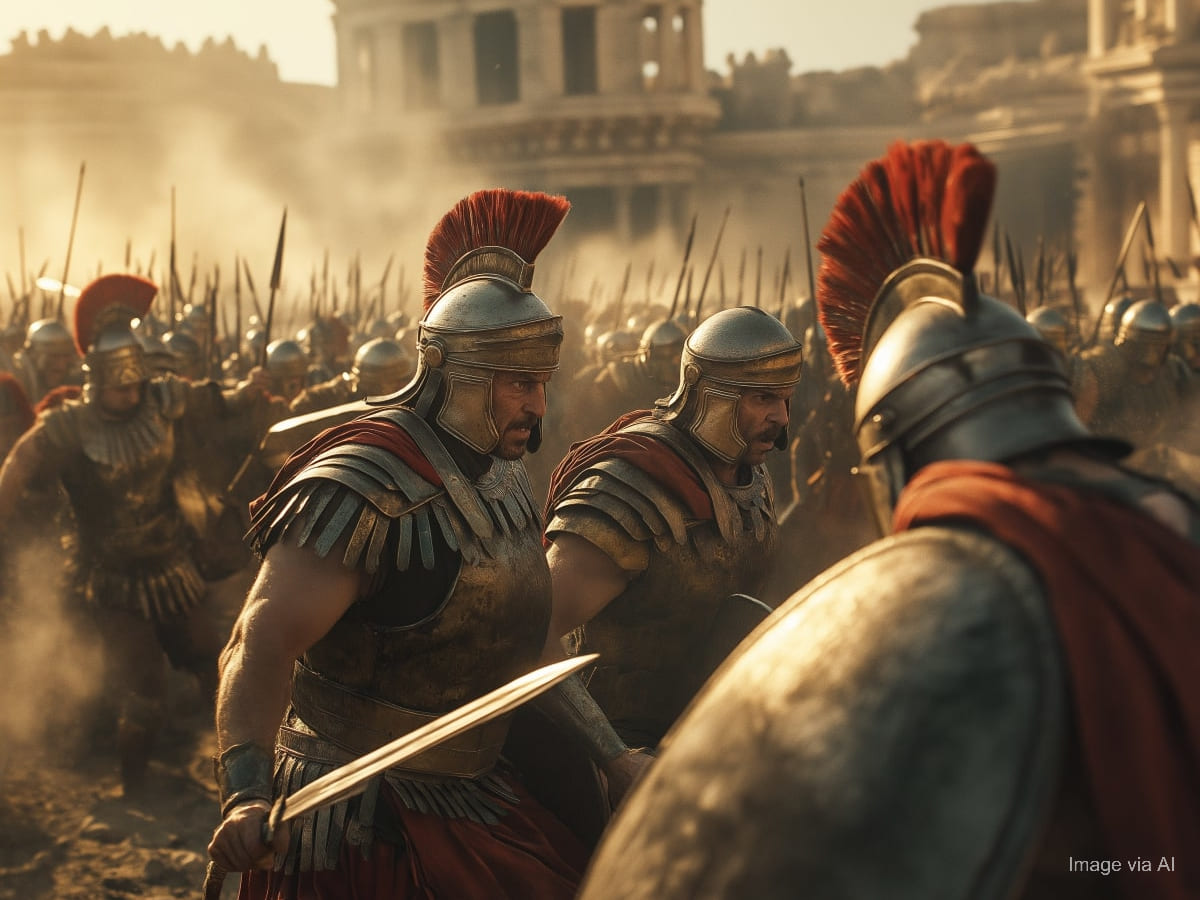
The Siege of Carthage (149-146 BCE) marked the culmination of the Third Punic War and Rome's final destruction of Carthage. After breaking a peace treaty, Carthage faced a Roman siege led by Scipio Aemilianus. The Carthaginians resisted fiercely for three years, but eventually, the Romans breached the city walls. The ensuing battle turned into a brutal street-by-street fight.
Upon victory, the Romans razed the city, slaughtering or enslaving its inhabitants, and sowed the land with salt, symbolically cursing it. This decisive victory eliminated Rome's greatest rival, securing Roman dominance in the Western Mediterranean and marking a significant step in Rome's ascension to empire status.

The Battle of Hastings, fought on October 14, 1066, was a pivotal event in English history. William, Duke of Normandy, defeated the Anglo-Saxon King Harold Godwinson near Hastings in southern England. The battle, famously depicted in the Bayeux Tapestry, saw Norman cavalry and archers overcome the Anglo-Saxon shield wall.
Harold perished in the fighting, traditionally believed to have been shot in the eye with an arrow. William's victory led to his coronation as King of England, initiating the Norman Conquest. This event profoundly changed English society, language, and culture. The battle marked the last successful invasion of England and the beginning of a new era in English history, with far-reaching consequences for the development of the English language and feudal system.
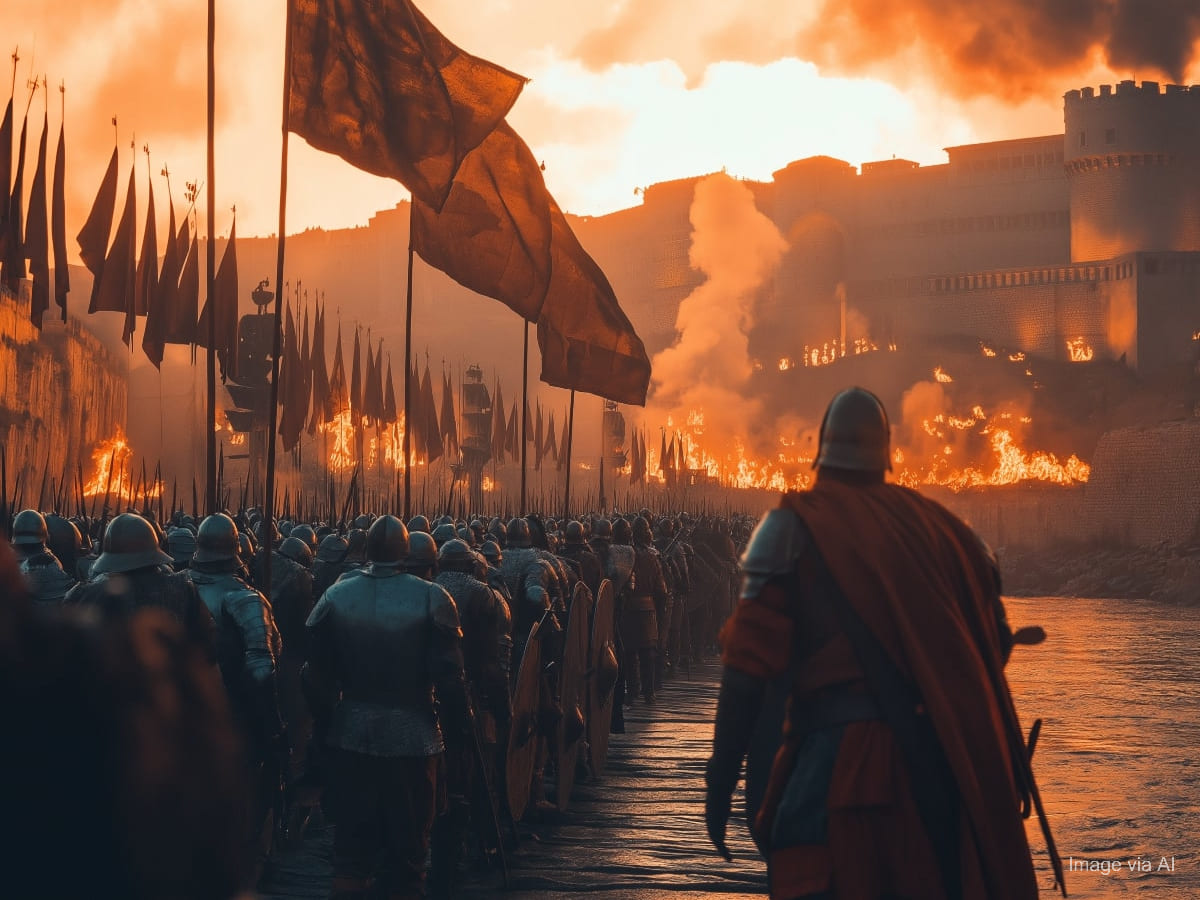
The Siege of Acre in 1189-1191 was a major confrontation during the Third Crusade. Christian forces, led by Guy of Lusignan, besieged the Muslim-held city of Acre in present-day Israel. The lengthy siege involved forces from across Europe and the Muslim world, including famous figures like Richard the Lionheart and Saladin.
The city's strategic importance and the involvement of these legendary leaders made it a focal point of the crusade. After two years of complex siege warfare, including naval battles and the use of siege engines, the city finally fell to the Crusaders. The siege demonstrated the military technology and tactics of the time and highlighted the cultural and religious conflicts of the Crusades.
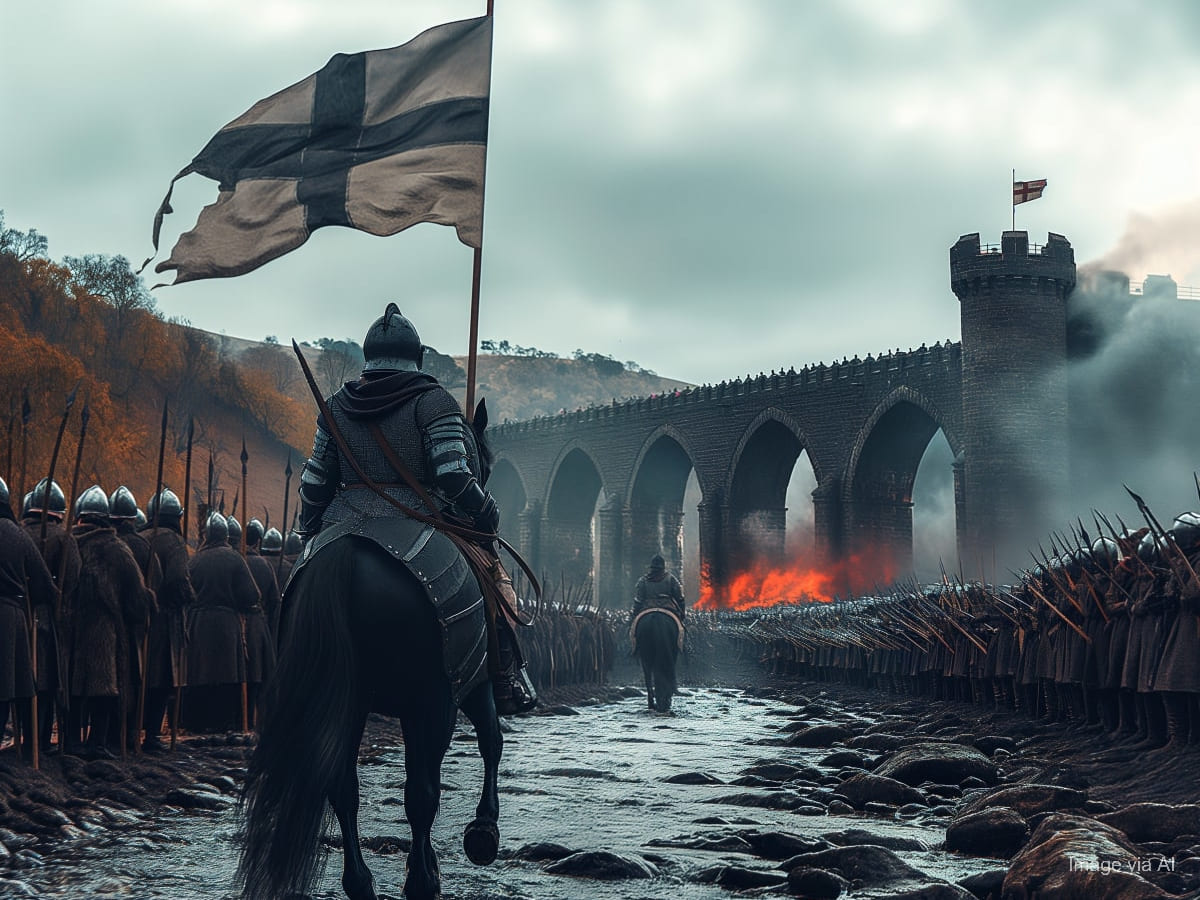
The Battle of Stirling Bridge, fought on September 11, 1297, was a significant Scottish victory in the First War of Scottish Independence. Scottish forces under William Wallace and Andrew Moray defeated an English army led by John de Warenne and Hugh de Cressingham. The Scots used the narrow bridge over the River Forth to their tactical advantage, allowing only a portion of the English army to cross before attacking.
This strategy negated the English numerical superiority and led to a decisive Scottish victory. The battle boosted Scottish morale and established Wallace as a military leader and Scottish hero. It demonstrated that Scottish forces could effectively resist English invasion and occupation, playing a crucial role in Scotland's struggle for independence against England.

The Battle of Agincourt was a pivotal conflict during the Hundred Years’ War between England and France. Outnumbered and facing muddy terrain, King Henry V’s English forces used the longbow to devastating effect, decimating the French knights. The victory solidified Henry’s reputation and demonstrated the decline of traditional chivalric warfare.
This battle marked a turning point in medieval military tactics, showcasing the effectiveness of disciplined infantry over heavily armored cavalry. Agincourt also had lasting political consequences, strengthening England’s claim to the French throne and inspiring Shakespeare’s famous depiction of Henry V’s leadership in his eponymous play.

The Fall of Constantinople marked the end of the Byzantine Empire and the rise of the Ottoman Empire. Sultan Mehmed II’s forces breached the city’s formidable walls using advanced artillery, including massive cannons. The conquest transformed Constantinople into Istanbul, the new Ottoman capital, and a center of Islamic culture and trade.
This event symbolized the end of the medieval era and the beginning of the Renaissance, as Greek scholars fled to Europe, bringing classical knowledge. It also disrupted European trade routes, spurring exploration and the eventual Age of Discovery. The fall remains a defining moment in world history.

The Battle of Sekigahara was the decisive conflict that unified Japan under Tokugawa Ieyasu, ending decades of civil war. Ieyasu’s forces defeated rival clans in a massive clash involving over 160,000 soldiers. His victory established the Tokugawa Shogunate, which ruled Japan for over 250 years during a period of relative peace.
The battle’s outcome centralized power under the shogunate and diminishing the influence of regional warlords. Sekigahara is often referred to as the “battle that shaped Japan,” laying the foundation for the Edo period and the country’s cultural and economic development.

The Battle of Vienna was a turning point in the struggle between the Ottoman Empire and European powers. A coalition led by Poland’s King John III Sobieski defeated the Ottomans, ending their siege of Vienna. The victory halted Ottoman expansion into Europe and marked the beginning of their decline.
This battle was significant for its role in preserving European Christendom and shifting the balance of power. The use of cavalry, particularly the Polish Winged Hussars, was instrumental in the victory. Vienna’s defense became a symbol of unity among European states against external threats.

The Battle of Jumonville Glen was the opening skirmish of the French and Indian War, part of the global Seven Years’ War. A young George Washington led British colonial forces in a surprise attack on a French encampment, killing its commander, Joseph Coulon de Jumonville, and sparking a larger conflict.
This small but significant battle escalated tensions between Britain and France, leading to a war that reshaped North America. It also marked Washington’s first military engagement, setting the stage for his later role in the American Revolution.
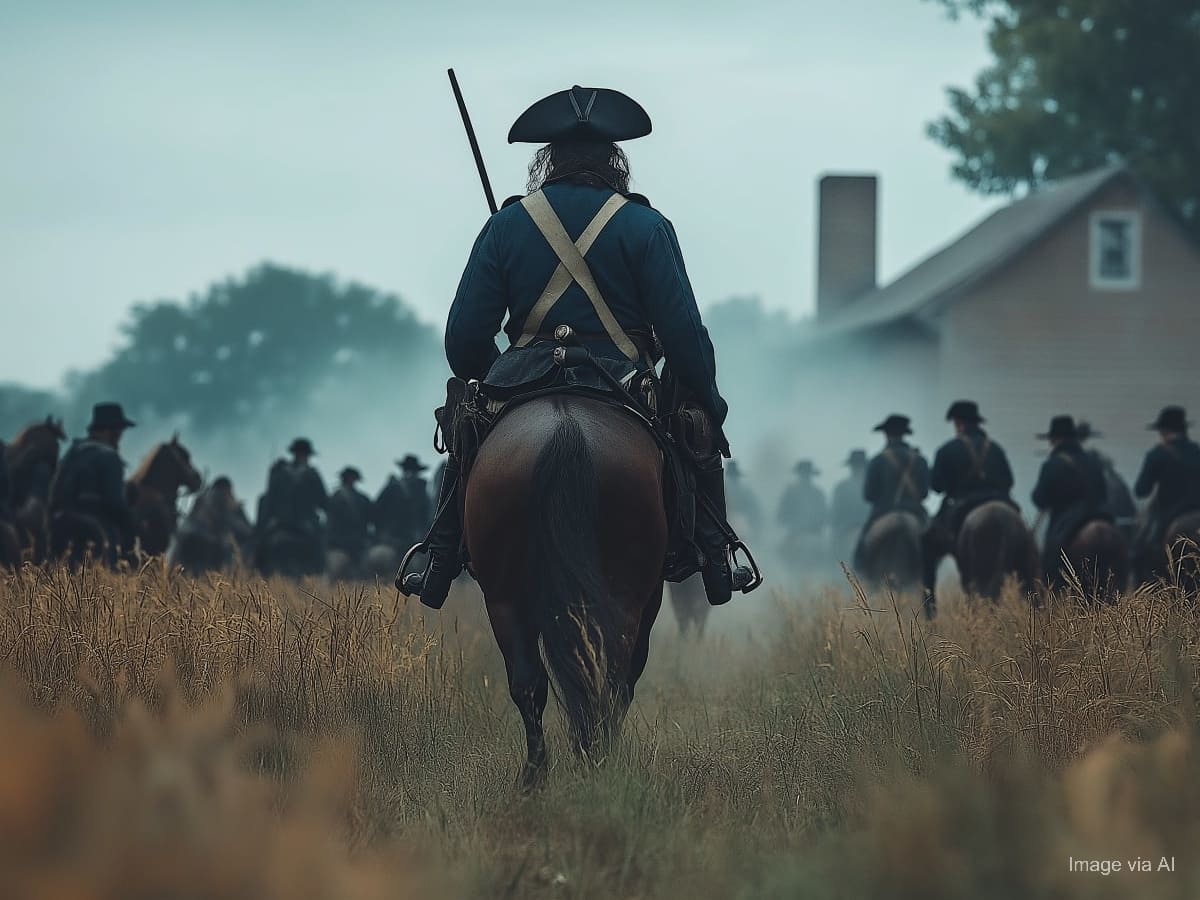
The Battle of Lexington, along with the Battle of Concord, marked the outbreak of the American Revolutionary War on April 19, 1775. British troops, marching from Boston to seize colonial weapons caches in Concord, encountered a small force of colonial militia at Lexington Green. The famous "shot heard 'round the world" was fired here, though it's unclear which side fired first.
The brief skirmish resulted in colonial casualties and the militia's dispersal. The British continued to Concord but faced increasing resistance. Their retreat to Boston turned into a running battle with gathering colonial forces. These events galvanized colonial resistance and demonstrated that armed conflict with Britain had become inevitable, setting the stage for the war of independence.
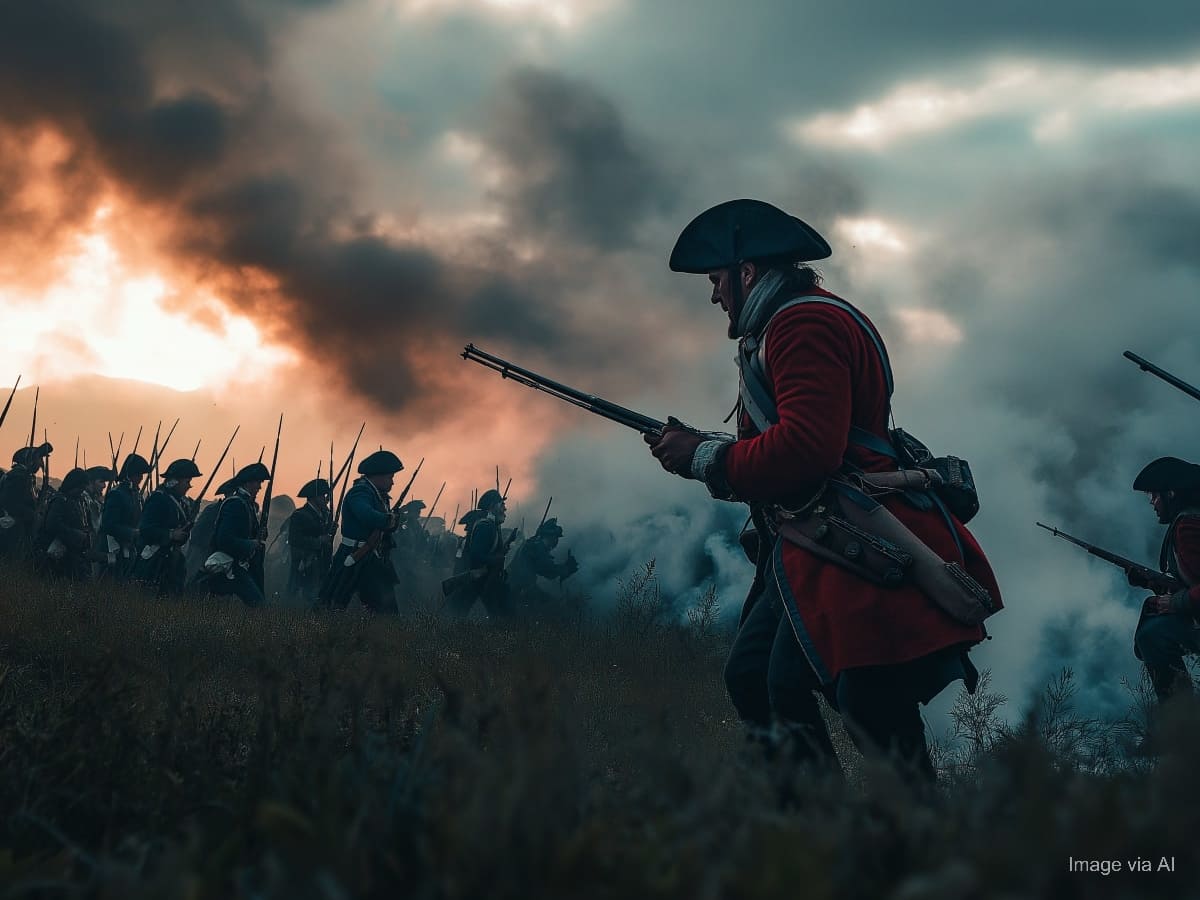
The Battle of Bunker Hill fought on June 17, 1775, was one of the earliest major battles of the American Revolutionary War. Despite its name, most of the fighting occurred on nearby Breed's Hill. Colonial forces fortified the hills overlooking Boston, prompting British troops to attack. Although the British eventually took the position, they suffered heavy casualties, demonstrating that the poorly trained colonial militia could stand against professional British soldiers.
The famous order "Don't fire until you see the whites of their eyes" is attributed to this battle. While technically a British victory, the battle's outcome bolstered American morale and resolve. It showed that the conflict with Britain had escalated beyond reconciliation, setting the stage for a prolonged war.

The Battle of Saratoga was a turning point in the American Revolutionary War. American forces, led by General Horatio Gates, defeated British General John Burgoyne’s army, forcing their surrender. This victory convinced France to ally with the American colonies, providing crucial military and financial support.
Saratoga demonstrated the effectiveness of American strategy and resilience. The battle boosted morale and proved that the Continental Army could defeat British forces.
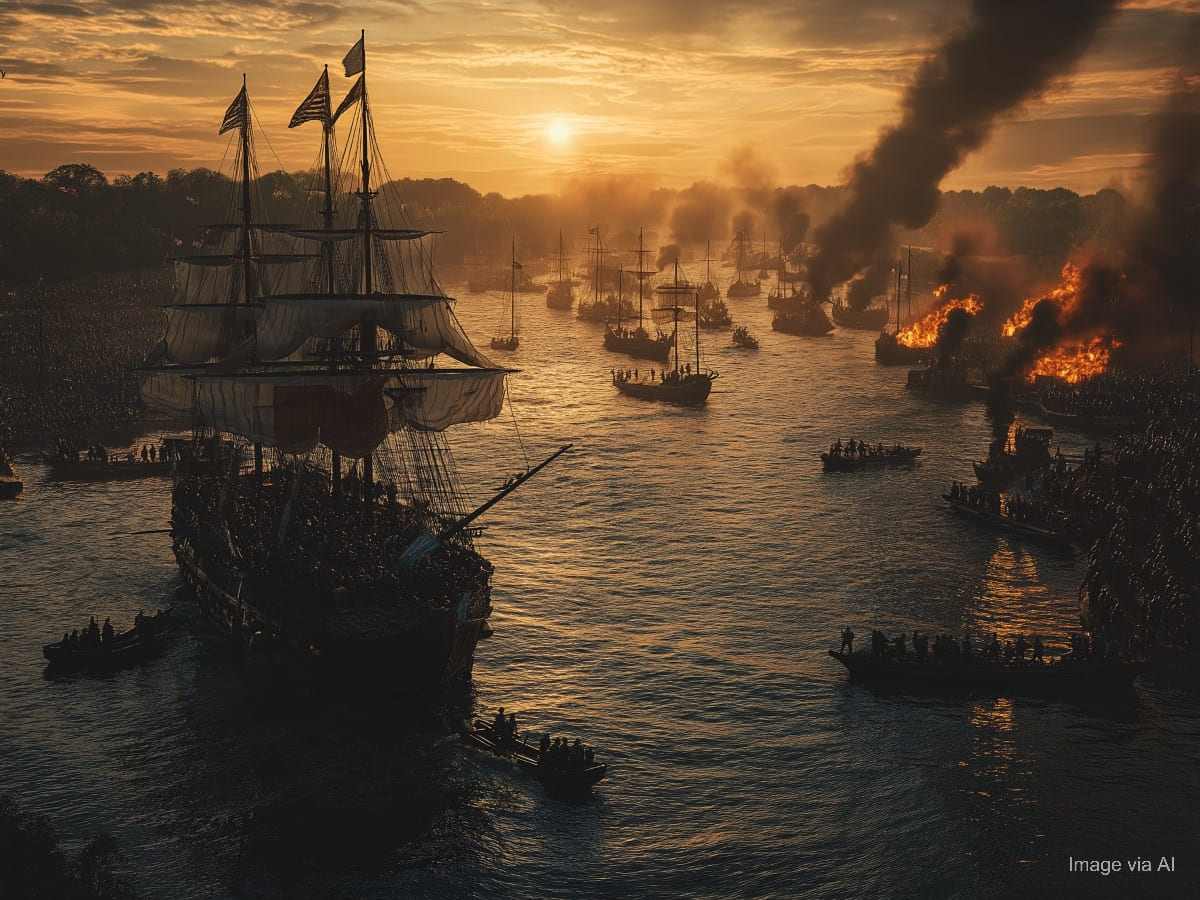
The Siege of Yorktown, from September 28 to October 19, 1781, was the final major battle of the American Revolutionary War. American forces led by George Washington and French allies under the Comte de Rochambeau laid siege to British forces under Lord Cornwallis at Yorktown, Virginia. The Franco-American forces effectively trapped the British, cutting off their escape by land and sea.
After several weeks of bombardment and failed counterattacks, Cornwallis surrendered. This decisive victory effectively ended major fighting in the American Revolution and led to peace negotiations. The Battle of Yorktown demonstrated the crucial role of French support in securing American independence and marked the last significant British attempt to regain control of their American colonies.

The Battle of Trafalgar was a decisive naval engagement during the Napoleonic Wars. Admiral Horatio Nelson’s British fleet defeated the combined French and Spanish navies, ensuring British naval supremacy. Nelson’s innovative tactics, including breaking the enemy line, secured victory but cost him his life.
This battle prevented Napoleon from invading Britain and established British dominance at sea for over a century. Trafalgar became a defining moment in naval history, with Nelson celebrated as a national hero.
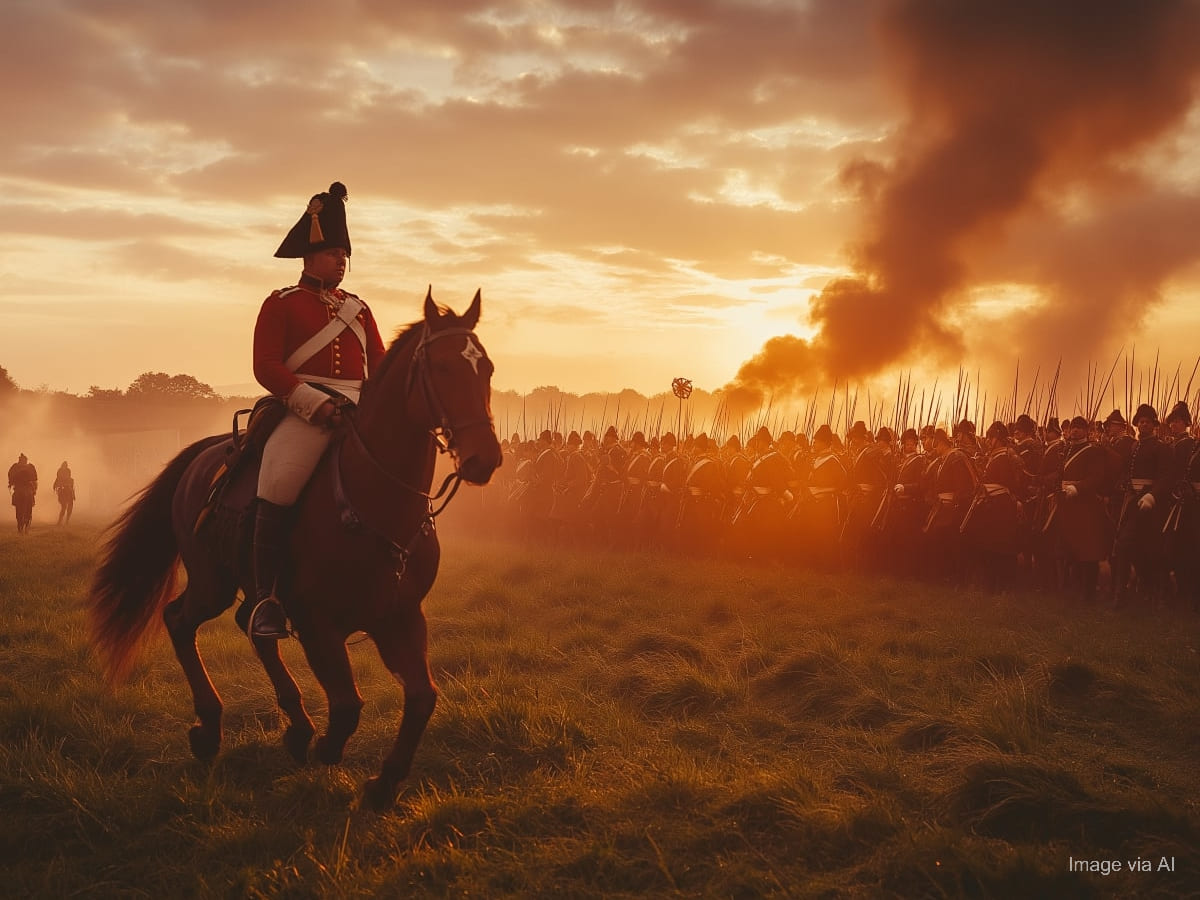
The Battle of Waterloo, fought on June 18, 1815, near Waterloo in present-day Belgium, marked the final defeat of Napoleon Bonaparte. An allied army under the Duke of Wellington and a Prussian army under Gebhard von Blücher defeated Napoleon's forces, ending his rule as Emperor of the French and concluding the Napoleonic Wars.
The battle was hard-fought, with Wellington's forces holding a defensive position against repeated French attacks until the arrival of the Prussians tipped the balance. Waterloo has become synonymous with a final, decisive defeat. The battle ended Napoleon's military career and ushered in a long period of peace in Europe. It significantly influenced European politics and military strategy for decades to come.
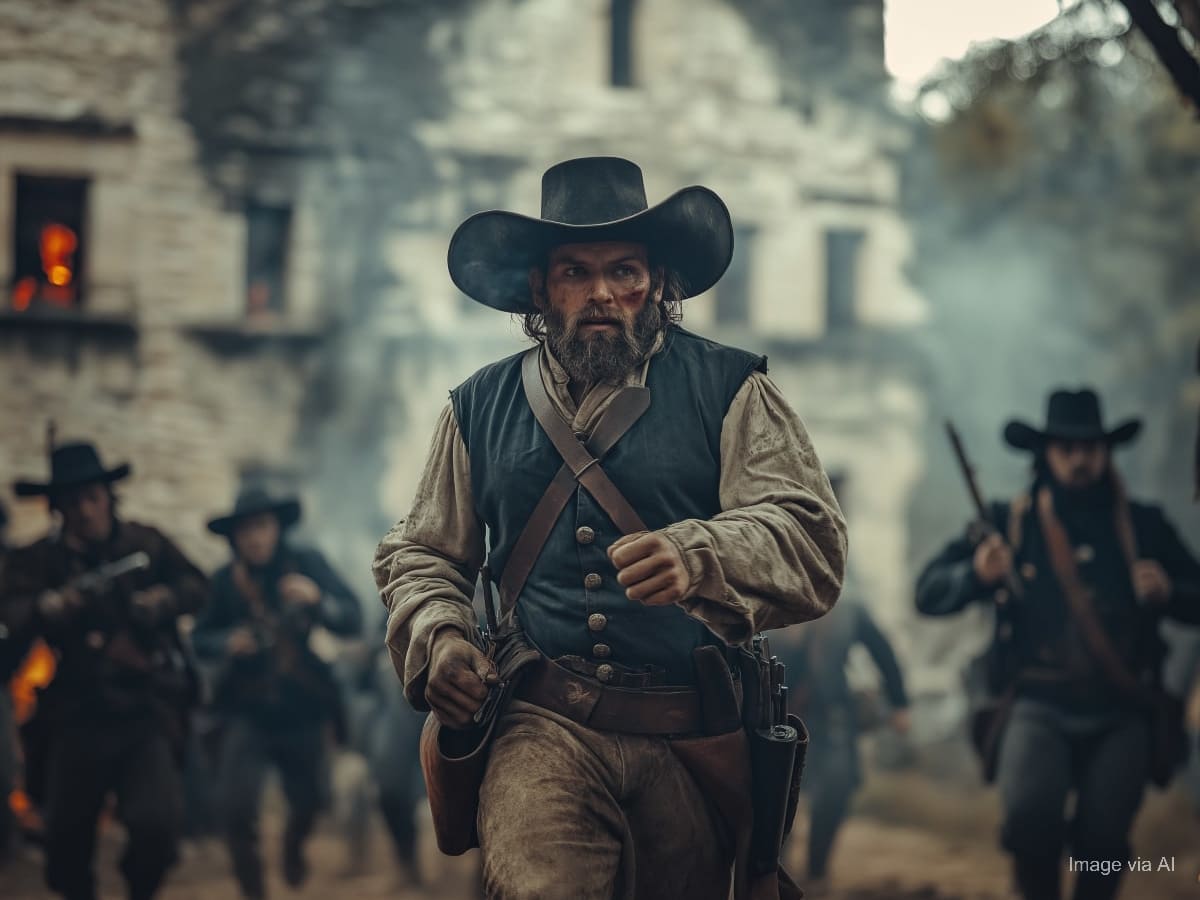
The Battle of the Alamo, fought from February 23 to March 6, 1836, was a pivotal event in the Texas Revolution. A small force of Texian defenders, including famous figures like James Bowie and Davy Crockett, held the Alamo mission in San Antonio against a much larger Mexican army under General Antonio López de Santa Anna.
Despite being greatly outnumbered, the defenders resisted for 13 days before being overwhelmed. The battle symbolized heroic resistance and a rallying cry for Texian forces. "Remember the Alamo!" became a popular slogan during the rest of the war. Although a Mexican victory, the battle's aftermath inspired Texian troops and contributed to their eventual success in gaining independence from Mexico.

The Battle of Puebla, fought on May 5, 1862, saw Mexican forces under General Ignacio Zaragoza defeat a larger French army. The victory, celebrated as Cinco de Mayo, symbolized Mexican resistance against foreign intervention during the Second French Intervention in Mexico.
Although not a decisive victory in the war, Puebla became a source of national pride and unity. It demonstrated the resilience of Mexican forces and inspired future resistance against imperialism.
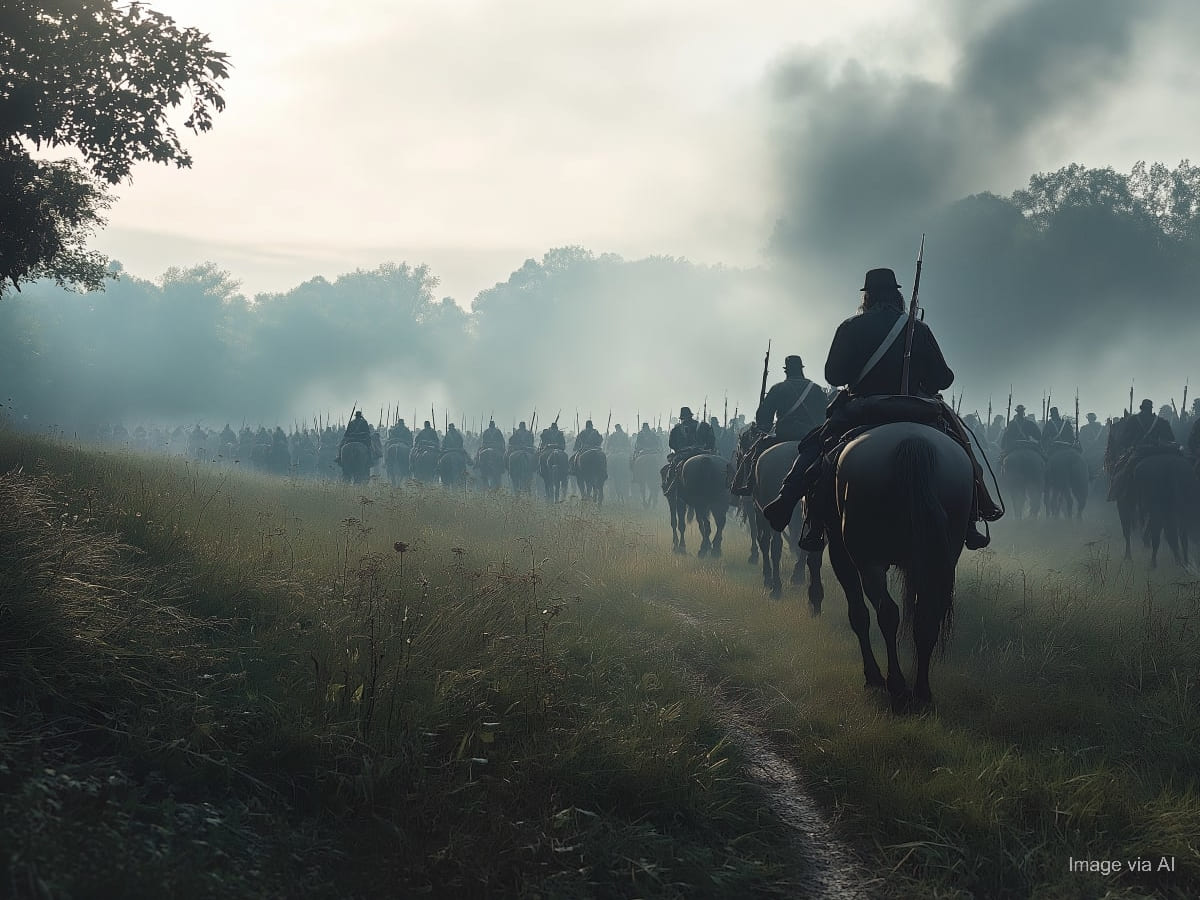
The Battle of Antietam, fought on September 17, 1862, near Sharpsburg, Maryland, was the bloodiest single-day battle in American history. Confederate General Robert E. Lee's first invasion of the North was met by Union forces under General George McClellan. The battle resulted in nearly 23,000 casualties but ended in a tactical draw.
Nevertheless, it was a strategic Union victory as it halted Lee's invasion and gave President Abraham Lincoln the political cover to issue the Emancipation Proclamation. The battle is famous for its intense fighting at locations like the Cornfield, Dunker Church, and Bloody Lane. Antietam marked a crucial turning point in the Civil War, shifting its focus to include the abolition of slavery as a war aim.
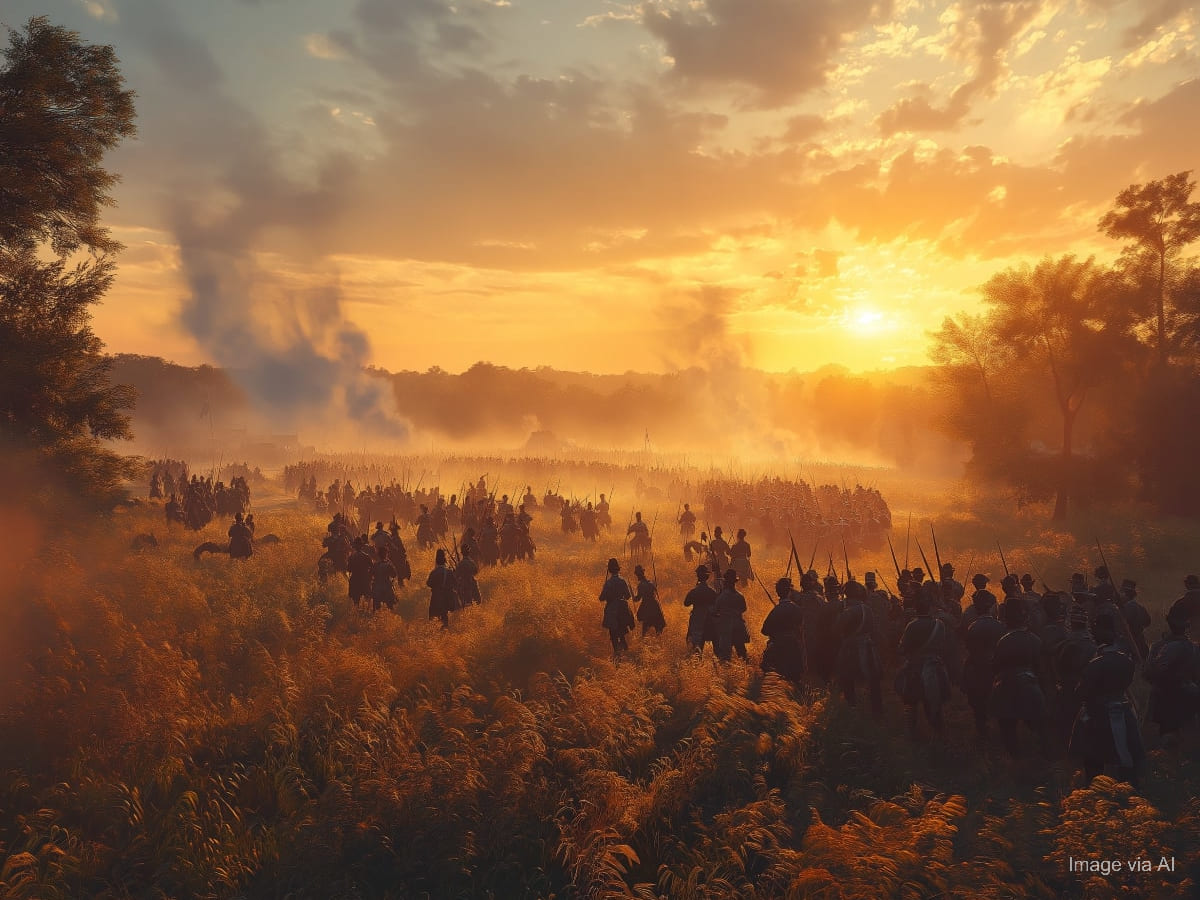
The Battle of Gettysburg, fought from July 1-3, 1863, was a turning point in the American Civil War. Confederate General Robert E. Lee led his Army of Northern Virginia into Pennsylvania, where they met Union forces under General George Meade. The three-day battle saw intense fighting, including famous engagements at Little Round Top and Pickett's Charge. The Union victory halted Lee's second invasion of the North and dealt a severe blow to Confederate morale.
Gettysburg was the bloodiest battle of the Civil War, with over 50,000 casualties. It is often considered the war's turning point, after which the Confederacy's chances of victory significantly diminished. President Lincoln's Gettysburg Address, delivered four months later, became one of the most famous speeches in American history.

The Gallipoli Campaign was a failed Allied attempt to seize control of the Dardanelles during World War I. British, Australian, and New Zealand forces faced fierce resistance from Ottoman troops, resulting in heavy casualties on both sides. The campaign ended in a costly Allied withdrawal.
Gallipoli became a defining moment for Australia and New Zealand, shaping their national identities (ANZAC). It also bolstered Ottoman morale and elevated Mustafa Kemal Atatürk, who later led Turkey’s independence movement. The campaign highlighted the challenges of amphibious warfare and the human cost of strategic miscalculations.

The Battle of the Somme was one of the bloodiest battles of World War I, lasting from July to November 1916. British and French forces launched an offensive against German positions, resulting in over one million casualties. The first day alone saw nearly 60,000 British soldiers killed or wounded.
Despite the staggering losses, the battle introduced new tactics and technologies, including the first use of tanks in warfare. While the Allies gained limited ground, the Somme highlighted the horrors of trench warfare and the immense human cost of the conflict, leaving a lasting impact on collective memory.
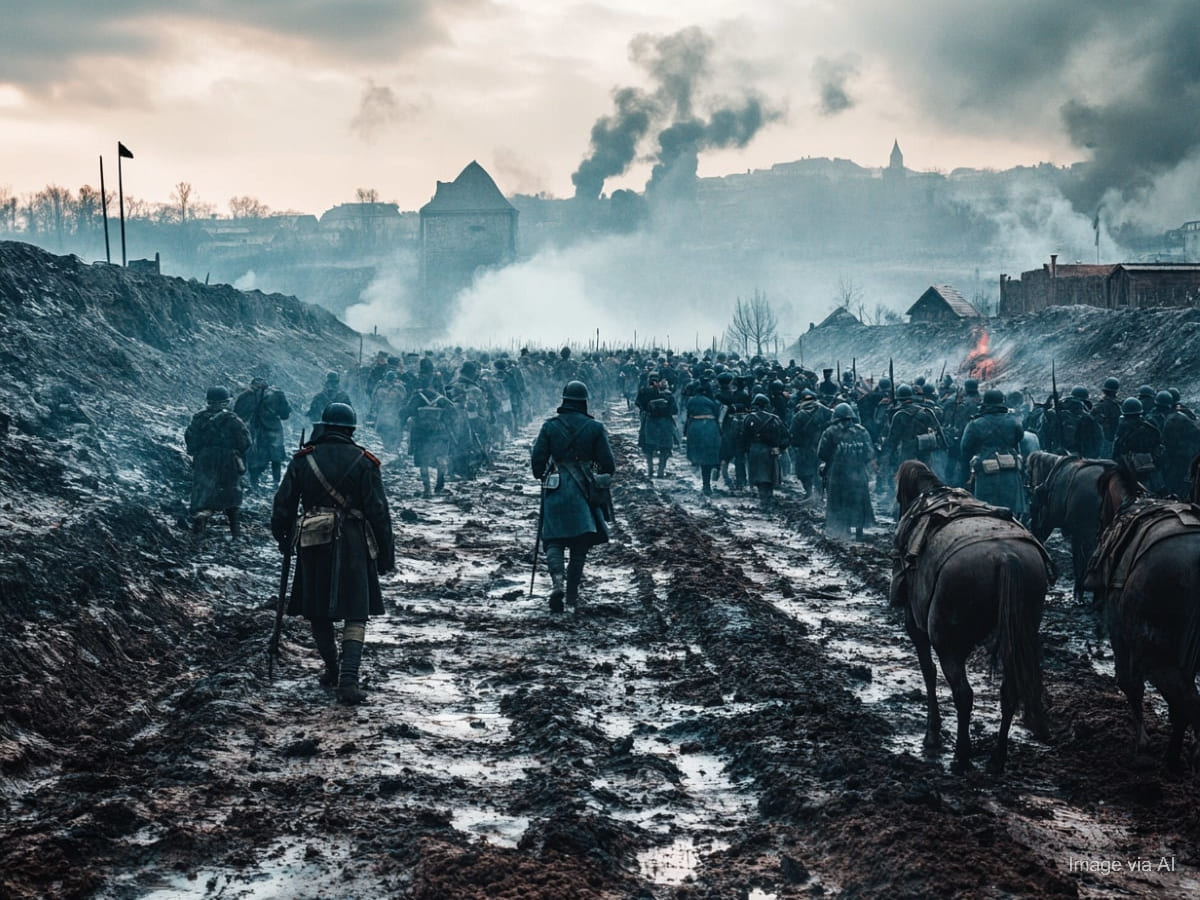
The Battle of Verdun, lasting from February 21 to December 18, 1916, was one of the longest and bloodiest battles of World War I. German forces, led by Chief of the General Staff Erich von Falkenhayn, attacked the French fortifications around Verdun-sur-Meuse in northeast France. The battle became a symbol of French determination and resilience, encapsulated in the phrase "They shall not pass."
Both sides suffered enormous casualties, with estimates ranging from 700,000 to 976,000. The battle is notable for its intensity, the scale of artillery used, and the hellish conditions soldiers endured. Verdun became a byword for the futility and horror of trench warfare, deeply impacting French national memory and shaping the narrative of World War I.

The Battle of Aqaba was a key victory for the Arab Revolt during World War I. Led by T.E. Lawrence (Lawrence of Arabia) and Arab forces, the attack on the Ottoman-held port of Aqaba was a surprise success, achieved by an overland assault through the desert.
The capture of Aqaba opened supply lines for the Allies and weakened Ottoman control in the region. The battle symbolized the effectiveness of guerrilla tactics and the collaboration between Arab forces and the British. It helped shape the modern Middle East.
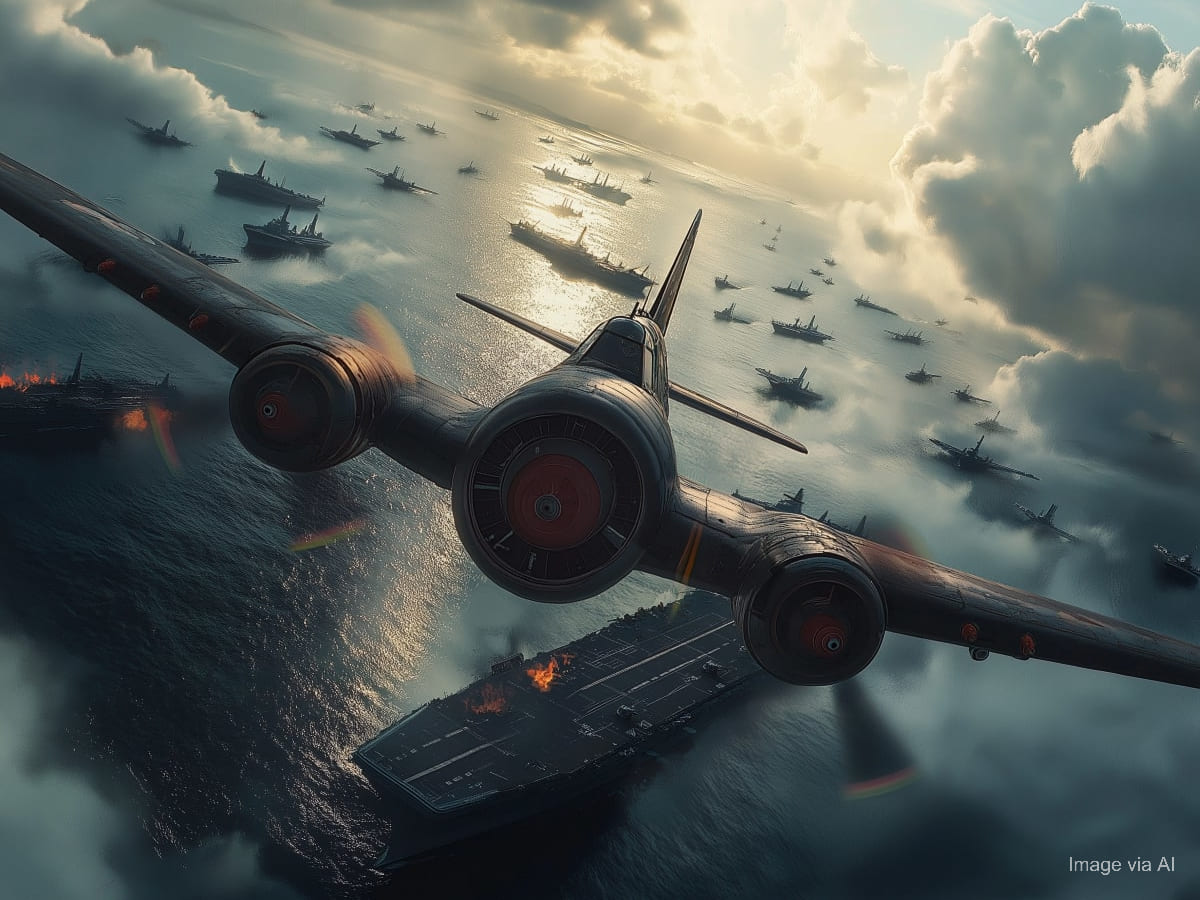
The Battle of Midway, fought from June 4-7, 1942, was a decisive naval battle of World War II's Pacific Theater. U.S. forces, having broken Japanese naval codes, ambushed and defeated an Imperial Japanese Navy fleet near Midway Atoll. The battle resulted in the sinking of four Japanese aircraft carriers, effectively crippling Japan's naval air power.
The victory of Midway marked a turning point in the Pacific War, shifting the balance of power from Japan to the United States. The battle showcased the importance of aircraft carriers and naval aviation in modern warfare. Midway is often cited as one of the most crucial American victories of World War II, halting Japanese expansion in the Pacific.
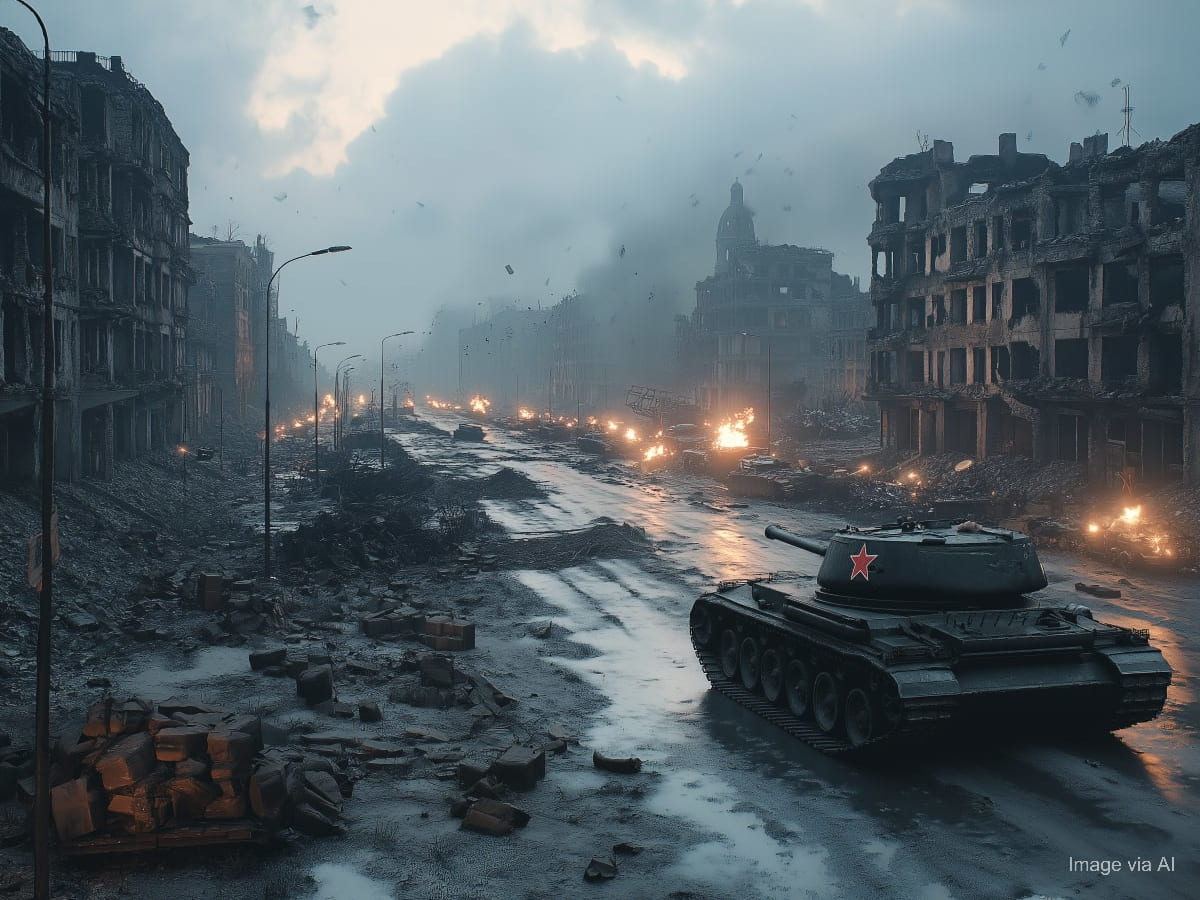
The Battle of Stalingrad, lasting from August 23, 1942, to February 2, 1943, was a major turning point in World War II. Germany and its allies fought the Soviet Union for control of the city of Stalingrad (now Volgograd) in Southern Russia. The battle, marked by brutal urban warfare and harsh winter conditions, resulted in nearly two million casualties.
Despite initial German success, Soviet forces eventually encircled and destroyed the German 6th Army. The Soviet victory at Stalingrad marked the first major defeat and the beginning of the end for Germany on the Eastern Front. The battle is often regarded as one of the bloodiest and most strategically significant in history.

The Battle of Kursk was the largest tank battle in history and a turning point on the Eastern Front during World War II. Soviet forces successfully repelled a massive German offensive, marking the last major German attempt to regain the initiative in the war.
The Soviet victory at Kursk solidified their dominance on the Eastern Front and paved the way for their advance into Germany. The battle demonstrated the importance of industrial capacity and strategic planning, as the Soviets outmaneuvered and outproduced the Germans in both equipment and manpower.
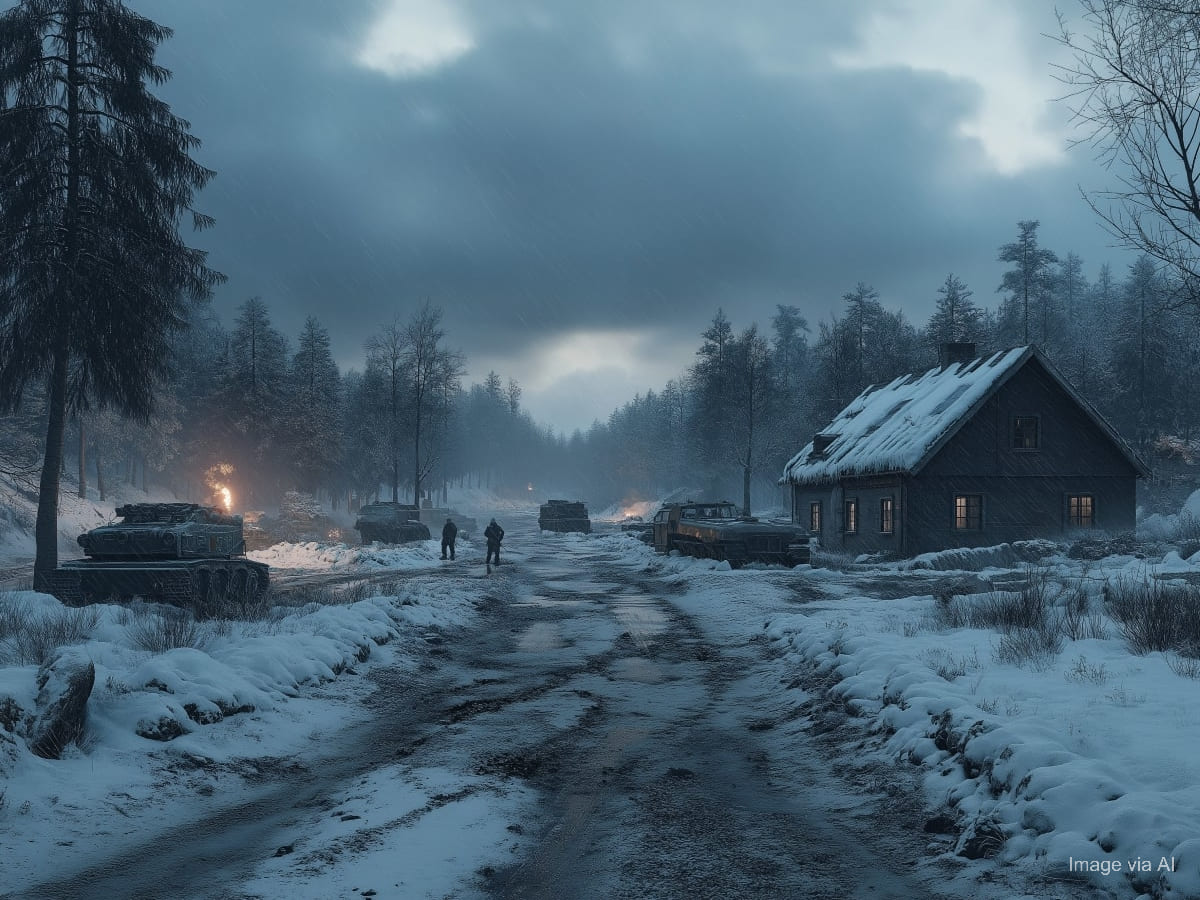
The Battle of the Bulge, fought from December 16, 1944, to January 25, 1945, was Germany's last major offensive on the Western Front during World War II. In a surprise attack, German forces pushed through the densely forested Ardennes region of Belgium, Luxembourg, and France, creating a "bulge" in the Allied front lines.
Despite initial success, the German advance was ultimately halted by Allied forces, including the surrounding American troops at Bastogne, who famously refused to surrender. The battle, marked by harsh winter conditions and fierce fighting, resulted in heavy casualties on both sides. It exhausted Germany's remaining strength, hastening the end of the war in Europe.
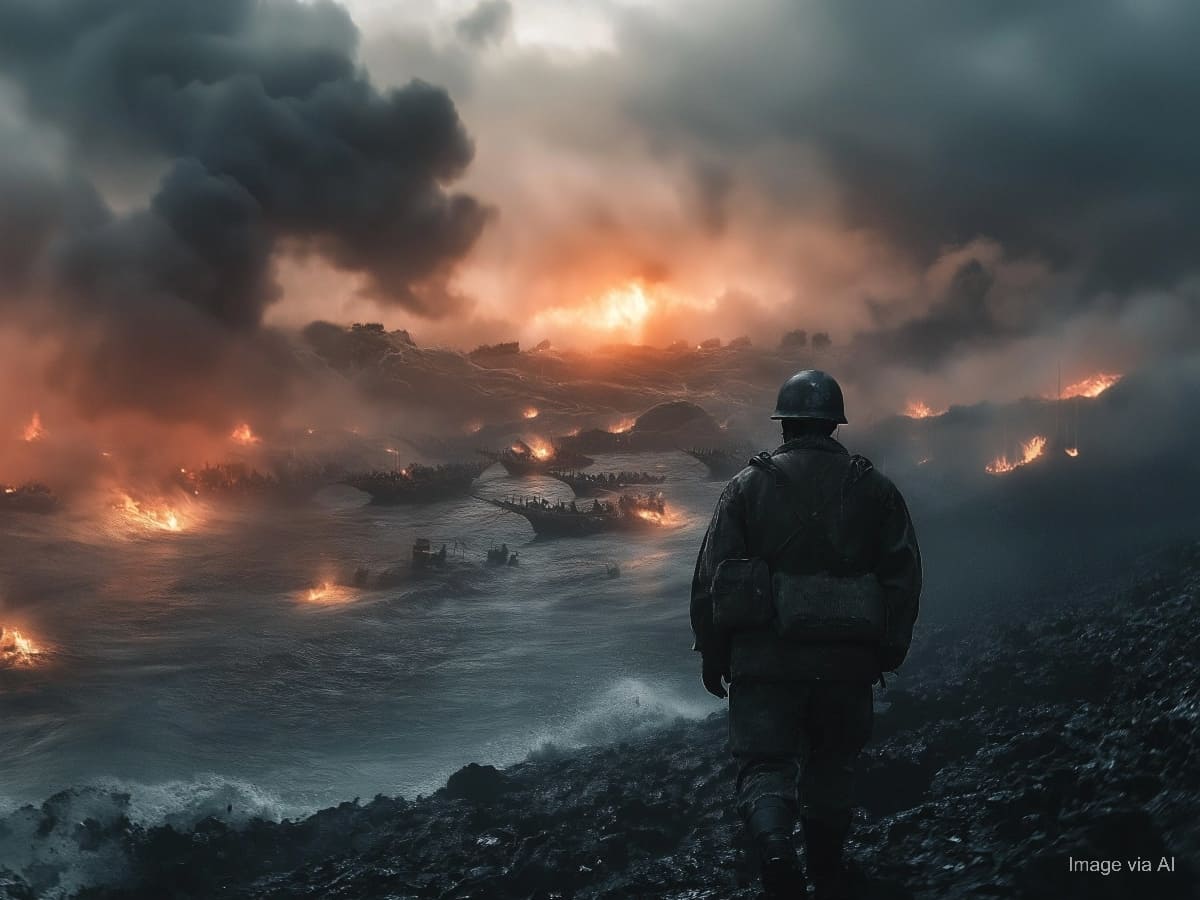
The Battle of Iwo Jima, fought from February 19 to March 26, 1945, was one of the bloodiest in the Pacific during World War II. U.S. Marines invaded this small, heavily fortified volcanic island to secure airfields for bombing raids on Japan. The Japanese defenders, entrenched in an elaborate network of bunkers and tunnels, fought ferociously.
Despite heavy casualties, the U.S. forces eventually secured the island. The battle's high cost led to debates about its strategic necessity but demonstrated the determination of both sides in the closing stages of the war.

The Battle of Osan was the first major engagement of the Korean War, where American forces faced North Korean troops. Despite being outnumbered and outgunned, the U.S. forces delayed the North Korean advance, buying time for reinforcements to arrive.
This battle highlighted the challenges of early U.S. involvement in the Korean War and the determination of North Korean forces. It underscored the need for a coordinated international response, leading to the eventual involvement of United Nations forces in the conflict.

The Battle of Dien Bien Phu marked the end of French colonial rule in Vietnam. Vietnamese forces under General Võ Nguyên Giáp besieged and defeated a heavily fortified French garrison, forcing their surrender after weeks of intense fighting.
This victory was a turning point in the First Indochina War, leading to the Geneva Accords and the division of Vietnam. Dien Bien Phu symbolized the strength of nationalist movements against colonial powers and set the stage for the Vietnam War.

The Bay of Pigs invasion was a failed U.S.-backed attempt to overthrow Fidel Castro’s communist government in Cuba. Cuban exiles, trained by the CIA, landed at the Bay of Pigs but were quickly defeated by Castro’s forces, leading to a major embarrassment for the United States.
The invasion strengthened Castro’s position and pushed Cuba closer to the Soviet Union, escalating Cold War tensions. It also highlighted the risks of covert operations and the complexities of U.S. foreign policy in the region, setting the stage for the Cuban Missile Crisis.

The Battle of Khe Sanh was a major confrontation during the Vietnam War, where U.S. Marines defended a remote base against a prolonged siege by North Vietnamese forces. The battle lasted 77 days and became a symbol of American resolve and the intensity of the conflict.
Although the U.S. eventually broke the siege, the battle raised questions about the strategic value of holding Khe Sanh. It highlighted the challenges of guerrilla warfare and the psychological toll of the Vietnam War, becoming one of its most iconic engagements.

The Tet Offensive was a coordinated series of attacks by North Vietnamese and Viet Cong forces across South Vietnam during the Vietnamese New Year (Tet). Although militarily unsuccessful, the offensive shocked the American public and eroded support for the war effort.
The widespread attacks, including the assault on the U.S. Embassy in Saigon, demonstrated the resilience of North Vietnamese forces. Tet marked a turning point in the Vietnam War, shifting public opinion and influencing U.S. policy toward eventual withdrawal.

The Battle of Hamburger Hill was a brutal 10-day conflict during the Vietnam War, where U.S. and South Vietnamese forces fought to capture Hill 937 from North Vietnamese troops. The intense fighting and high casualties earned the hill its grim nickname.
The battle sparked controversy over its strategic value, as the hill was abandoned shortly after it was captured. Hamburger Hill became a symbol of the futility and human cost of the Vietnam War, fueling anti-war sentiment in the United States.

The Battle of Mogadishu, also known as “Black Hawk Down,” was a U.S.-led operation in Somalia to capture a warlord’s lieutenants. The mission turned into a deadly urban battle when two Black Hawk helicopters were shot down, resulting in heavy casualties.
The battle highlighted the challenges of peacekeeping missions in unstable regions and the risks of urban warfare. It also influenced U.S. foreign policy, leading to a more cautious approach in future interventions.

The Battle of Baghdad was a key engagement during the U.S.-led invasion of Iraq. American forces quickly overwhelmed Iraqi defenses, capturing the capital and toppling Saddam Hussein’s regime. The battle marked the beginning of a prolonged occupation and insurgency.
While the initial victory was swift, the aftermath revealed the challenges of rebuilding Iraq and addressing sectarian divisions. The battle symbolized the shift in modern warfare toward rapid, high-tech operations, while also demonstrating the complexities of post-conflict stabilization.