On December 20, 2024, Blake Lively filed a legal complaint against It Ends with Us co-star and director Justin Baldoni. She accuses Baldoni, producer Jamey Heath, and Wayfarer Studios LLC (Baldoni’s company) of harassment and retaliation. She claims that there was a hostile work environment while filming, and that during press Baldoni and his team allegedly orchestrated a smear campaign against her to ruin her image because of her accusations.
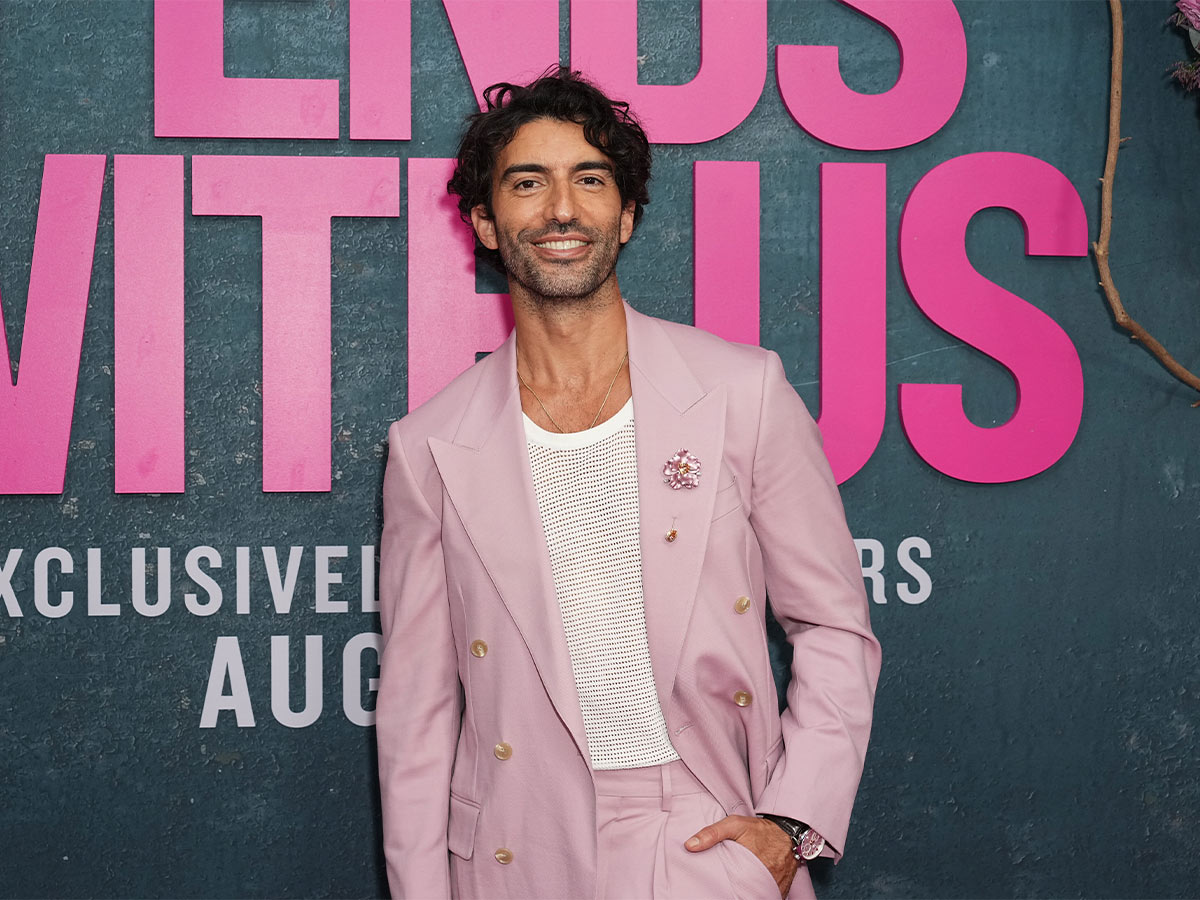
The New York Times released an article titled ‘We can Bury Anyone’: Inside a Hollywood Smear Machine on December 22, which detailed an alleged smear campaign against Blake Lively that was orchestrated by Baldoni and his team. On December 31, Baldoni filed a $250 million lawsuit against The New York Times for libel. The suit claims the publication deceived the public by purposefully ignoring evidence that didn’t fit Lively’s narrative.
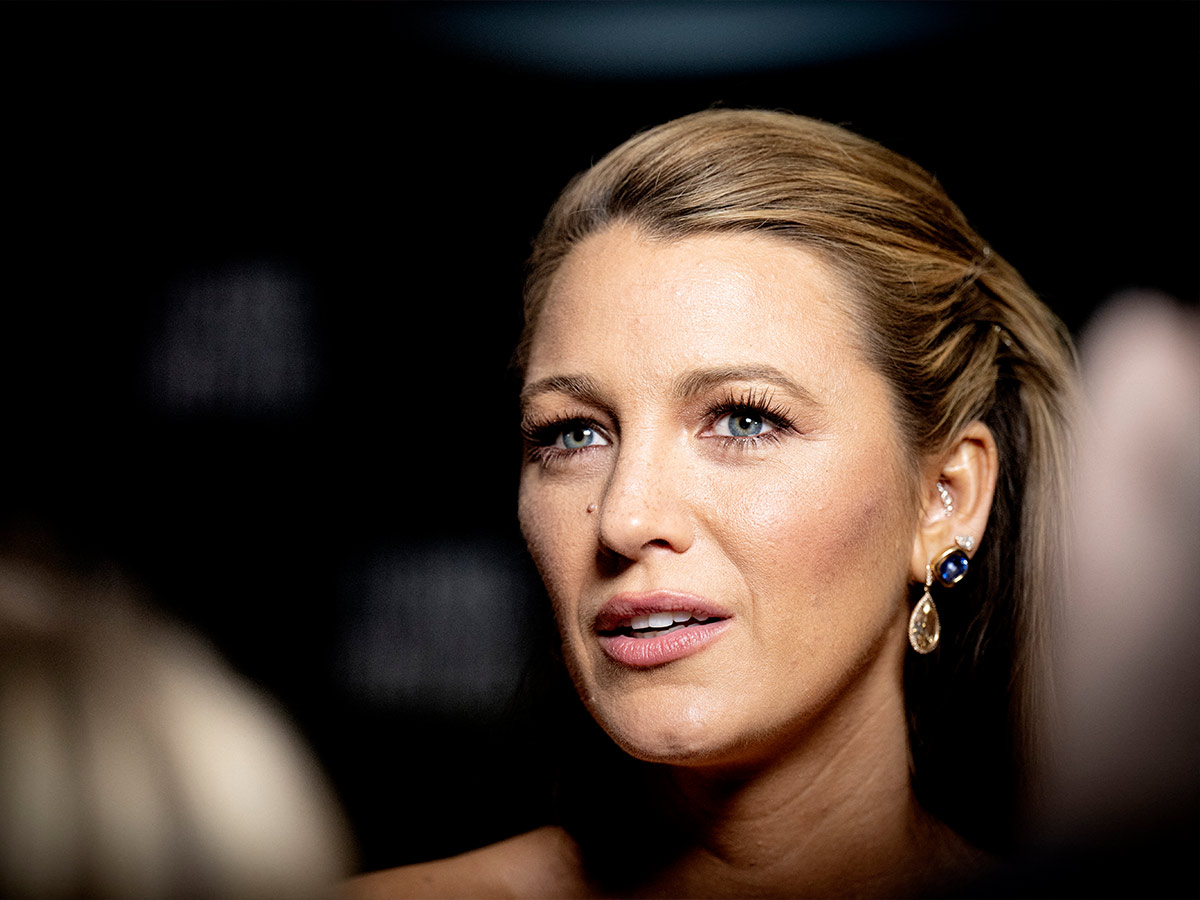
Lively is now suing Baldoni for “severe emotional distress” as of December 31. Also included in the lawsuit are “crisis manager” Melissa Nathan, publicist Jennifer Abel, and Wayfarer Studios. This is a result of the alleged harassment she experienced on set and the alleged public campaign against her. Her lawsuit claims she has suffered “severe emotional distress and pain, humiliation, embarrassment, belittlement, frustration, and mental anguish” and is entitled to compensation at an amount to be determined in trial.
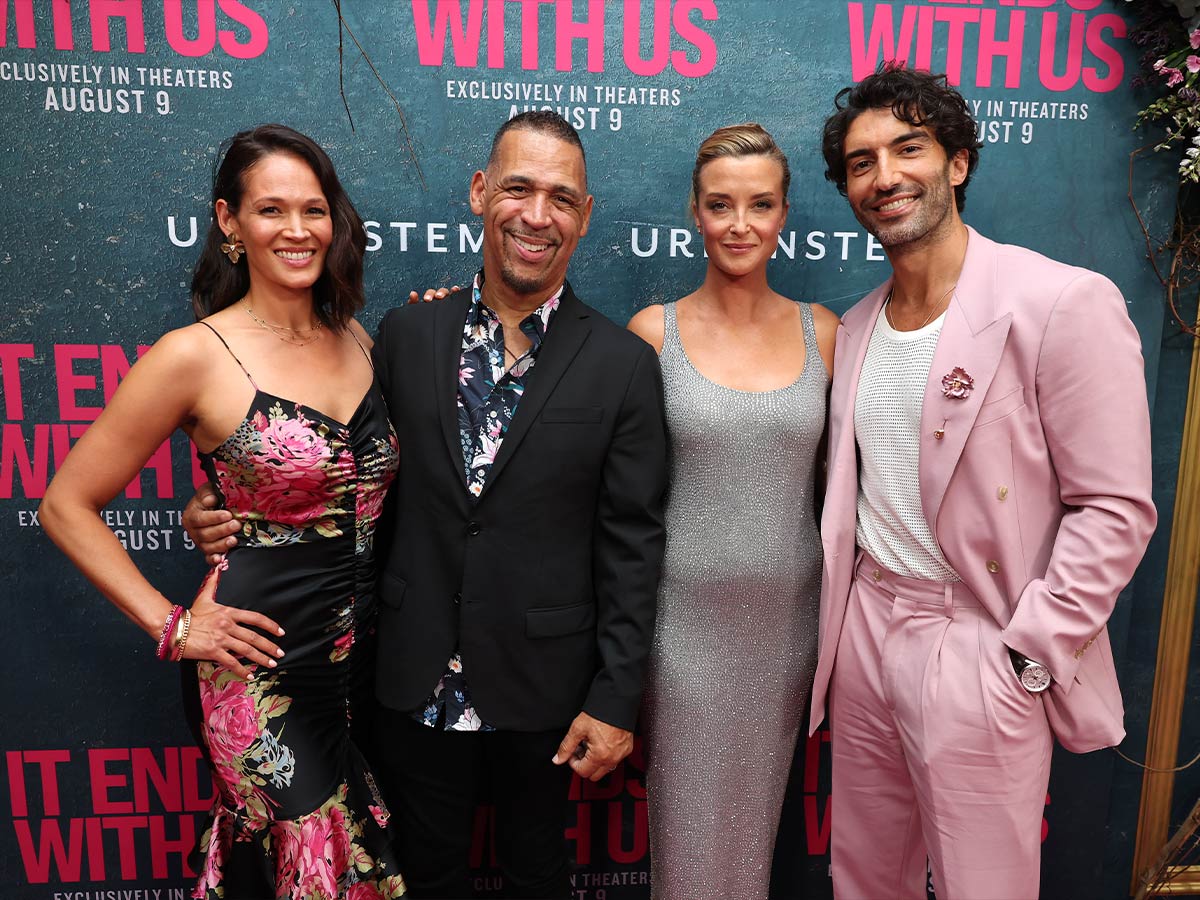
Lively’s complaint alleges that CEO of Wayfarer and producer Jamey Heath (second from left) showed her an inappropriate video of his wife. The video in question was of Heath’s wife giving birth at home. Baldoni's lawsuit claims that this was shown during a discussion of filming a birth scene and states, “To distort this benign event into an act of [] misconduct is outrageous and emblematic of the lengths to which Lively and her collaborators are willing to go to defame plaintiffs.”
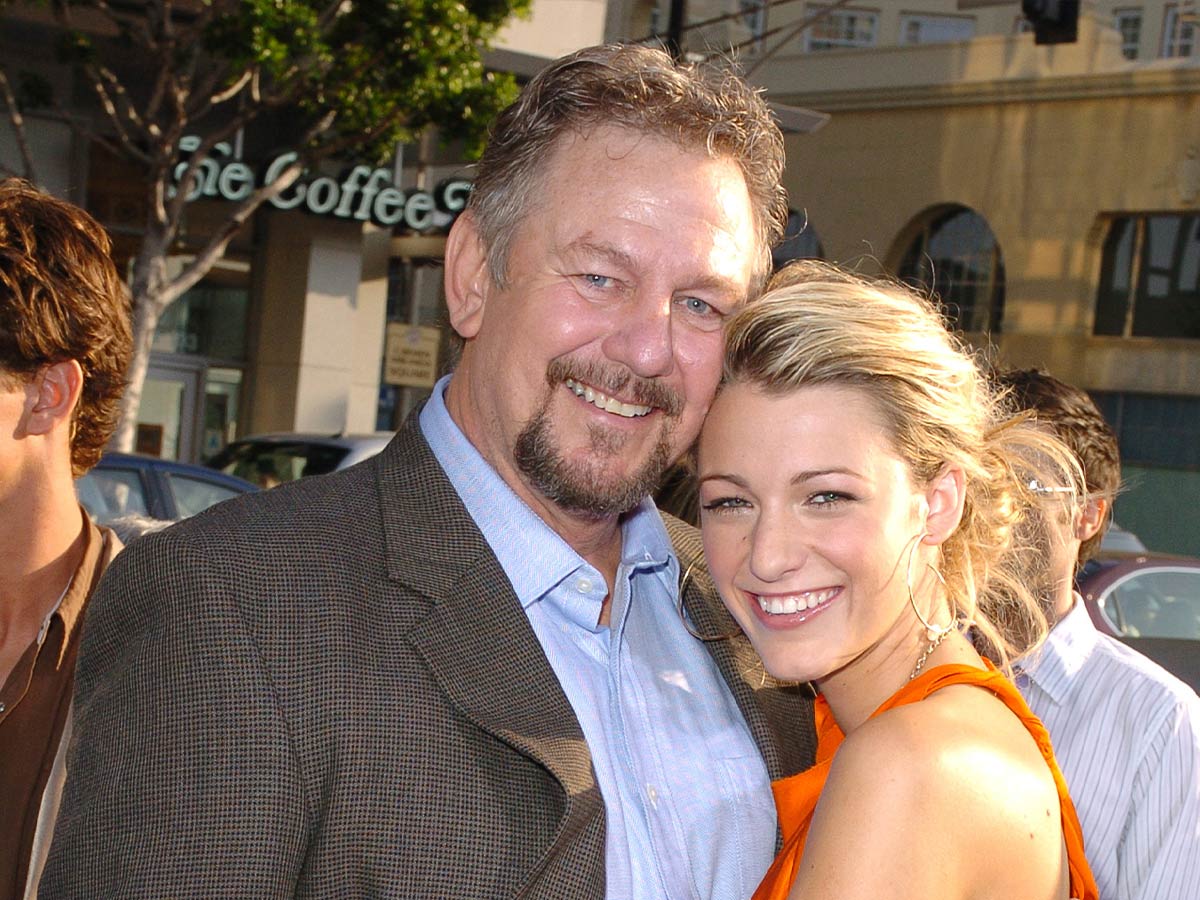
Lively’s lawsuit also includes further distressing and strange claims. She alleges that Baldoni claimed, “he could speak to the dead, and on several occasions told her that he had spoken to her dead father.” Lively’s father, Ernie, passed away in 2021, but according to her, Baldoni claimed a personal relationship with the deceased. Her sister Robyn took to social media on December 22 to show her support and ask for justice.
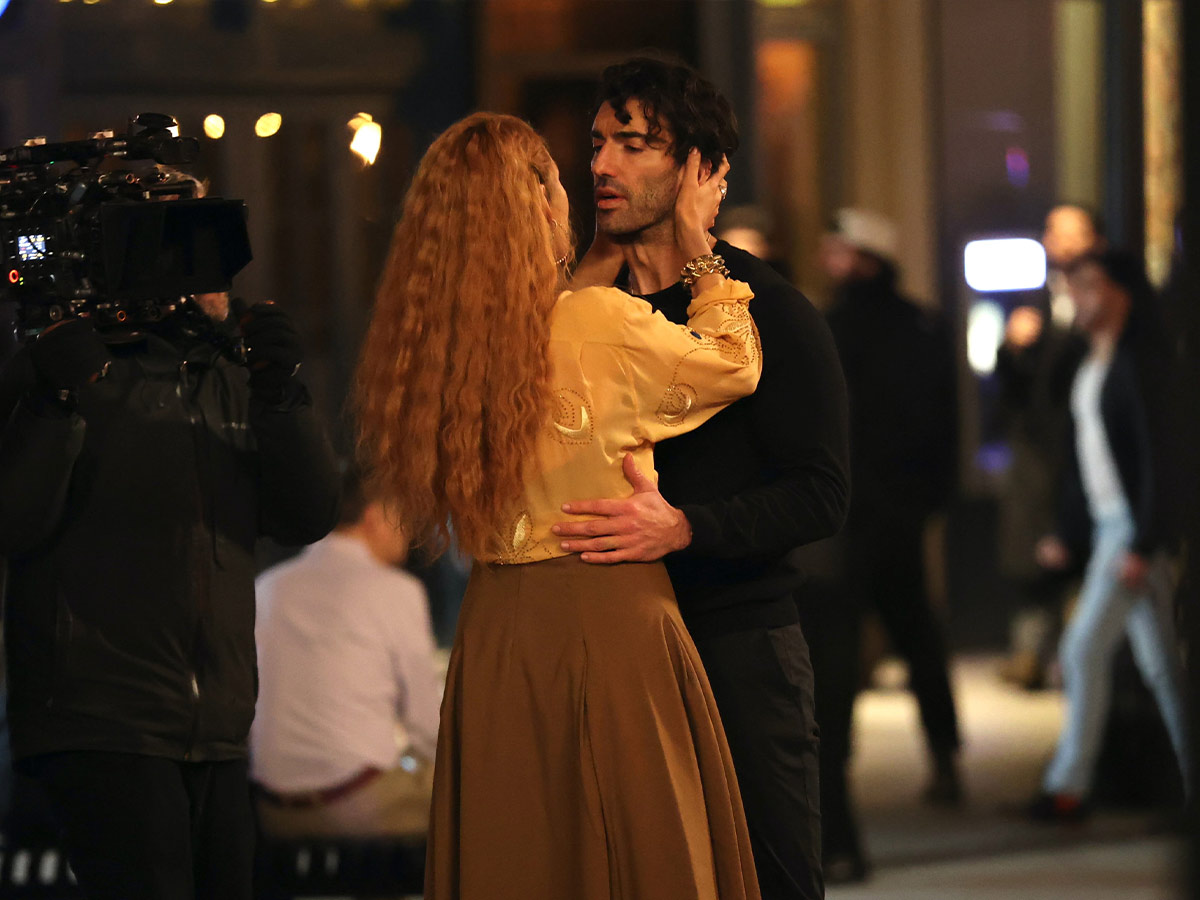
There’s been a lot of discourse surrounding the “fat-shaming” allegedly experienced by Lively. Baldoni admits to asking his trainer, who had been introduced to him by Lively, how much Lively weighed because he has back problems and needed to perform a scene in which he lifted her. Lively alleges that while she was sick with strep throat, Baldoni offered to connect her with an expert to help her. However, the “expert” was a weight-loss specialist according to Lively, which made her feel shamed for her weight. She was also only four months post-partum when they began filming.
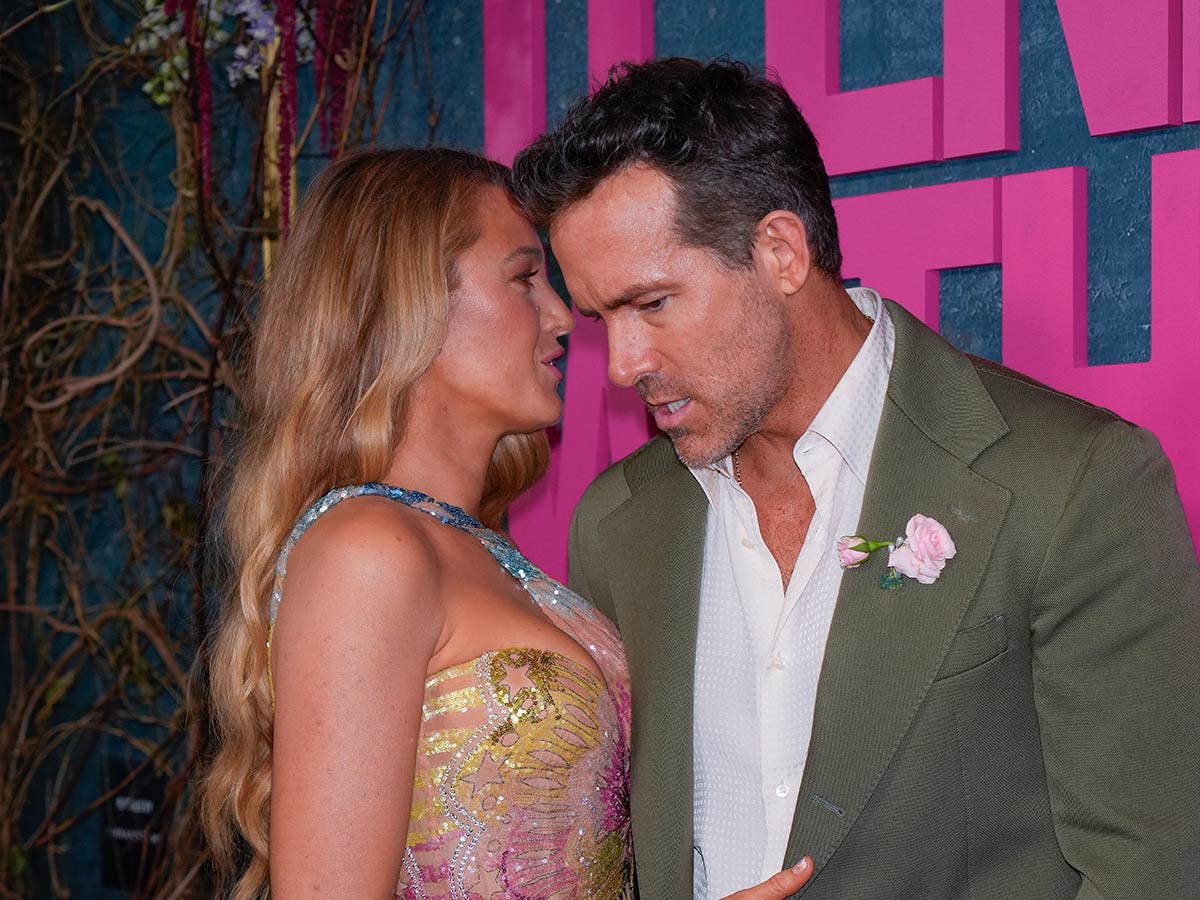
Lively’s husband, Ryan Reynolds, was present during filming and some meetings. Baldoni claims that Reynolds “berated” him for his treatment of Lively, specifically referencing Baldoni asking his trainer how much Lively weighed. Baldoni apologized but claims the question was asked in “good faith” to ensure he wouldn’t reinjure his back. His lawsuit infers that the this particular “inappropriate and humiliating berating” may have purposefully been done in the couple’s penthouse and celebrities came and went.
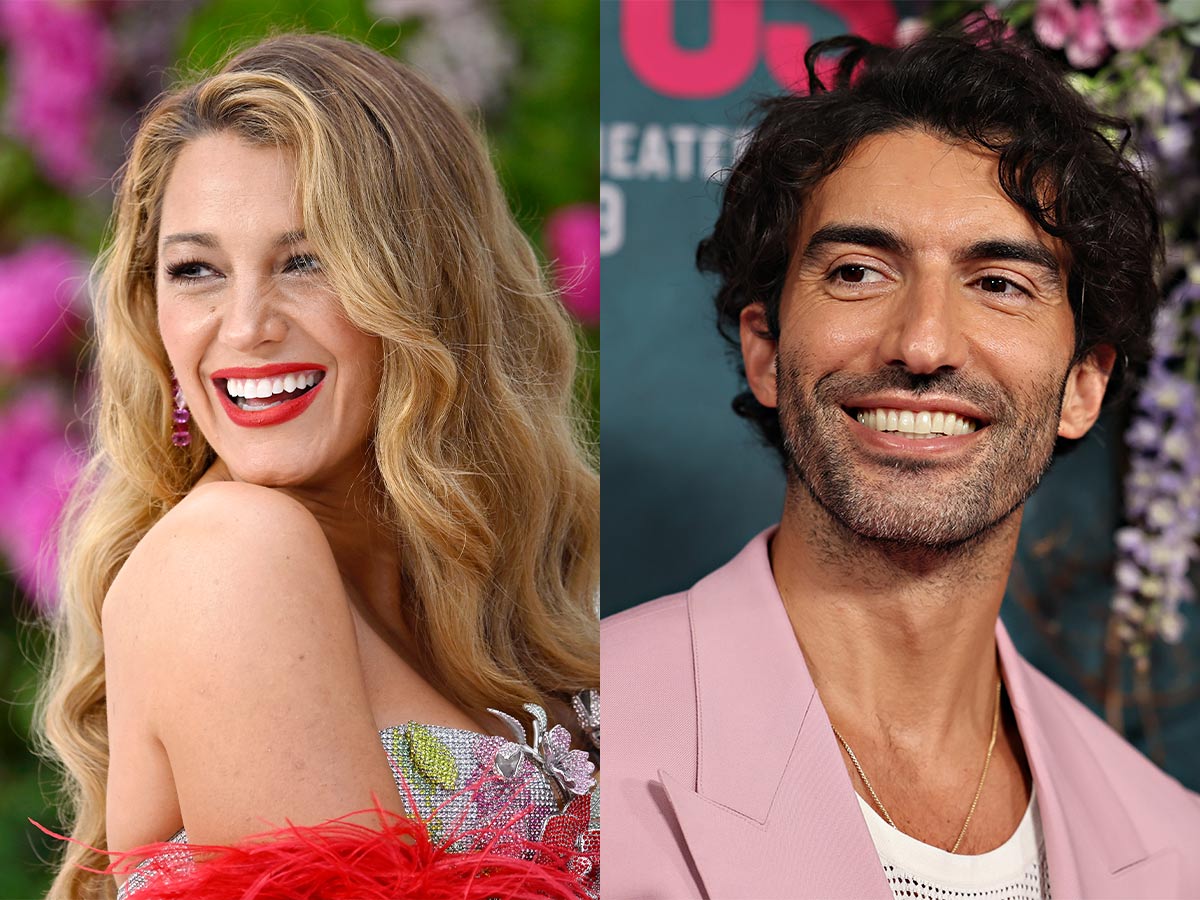
Lively and Baldoni didn’t promote the film together, and went about very different ways of doing it. According to Lively’s lawsuit, she followed the set Marketing Plan, which was to “[f]ocus more on [her character’s] strength and resilience as opposed to describing the film as a story about domestic violence.” The lawsuit alleges that Baldoni decided to not follow the Marketing Plan in order to explain why the rest of the cast didn’t appear with him. He instead focused survivors and domestic violence organizations. This in turn painted Livley in a negative light in the public’s eyes.
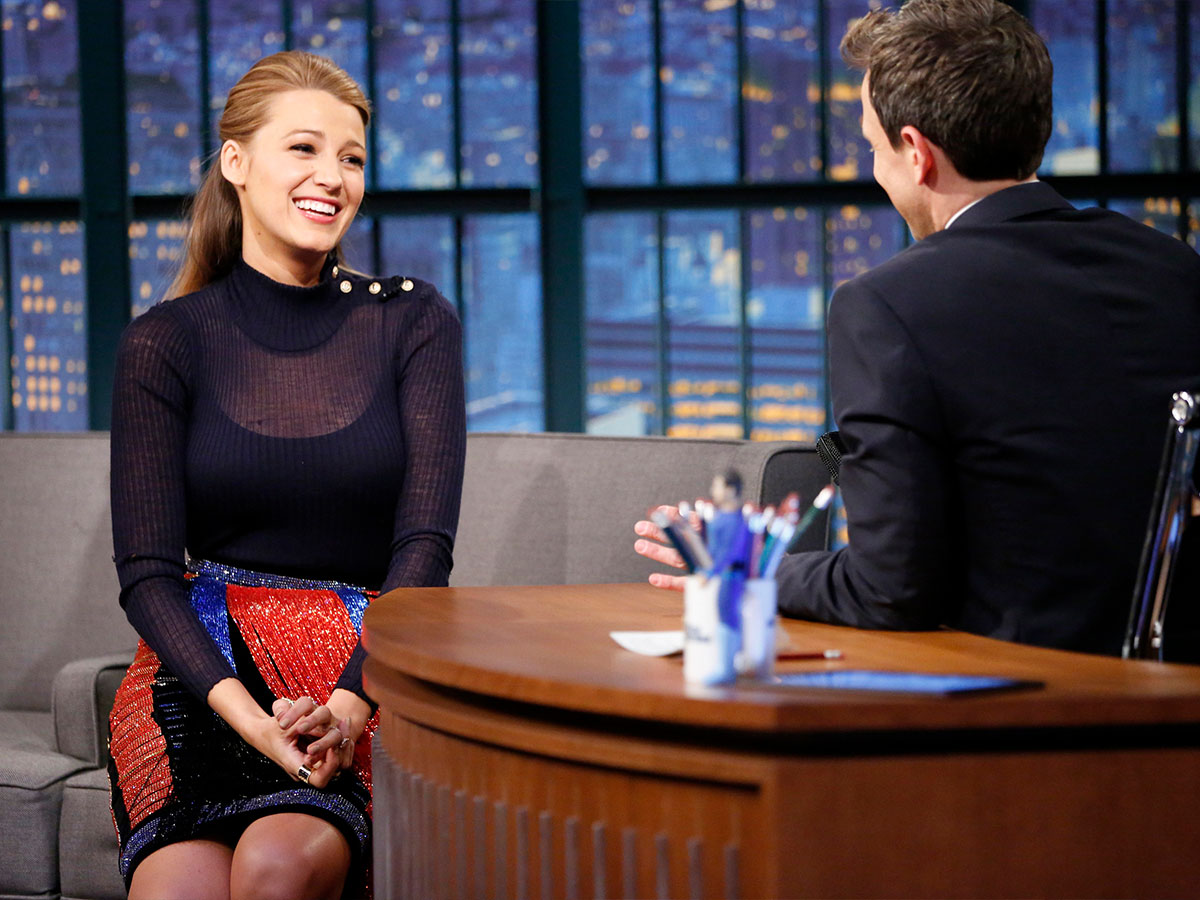
As the public watched Lively launch her hair care line and celebrate female friendships while Baldoni centered on the seriousness of domestic violence, Lively became the story's villain. Press videos of Lively in the past being rude to interviewers also surfaced at the time, making the public think she had a history of inappropriate behavior and needed to be “canceled.” Baldoni’s lawsuit claims that “the backlash against Lively was the inevitable fallout of her own tone-deaf messaging and self-promotional tactics, amplified by her inability to read the room in addressing such a serious subject.” However, as stated, Lively’s lawsuit claims that she was following the agreed upon Marketing Plan while Baldoni was the one who diverged as part of a coordinated smear campaign to ruin her reputation and save his.
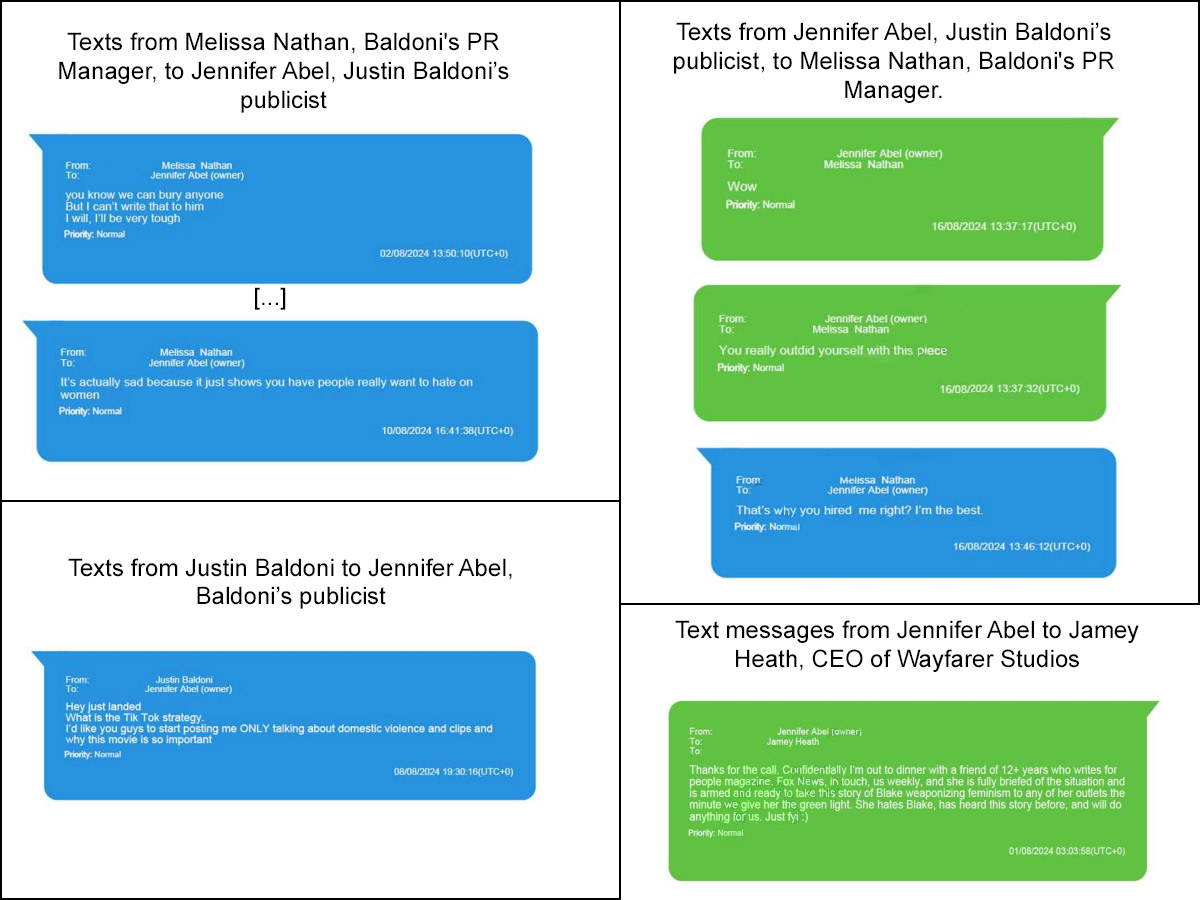
Lively’s lawsuit reveals alleged text messages between Baldoni’s publicist Jennifer Abel and “crisis manager” Melissa Nathan. When speaking on what Baldoni wants to hire Nathan to do, Abel says “He [Baldoni] wants to feel like she [Lively] can be buried.” Nathan responds saying she cannot say what she will do in writing, but that “you know we can bury anyone.” In later text messages, Nathan says how well press is going for Baldoni and states, “It’s actually sad because it just shows you have people really want to hate on women.”

In February 2025, Justin Baldoni and Wayfarer Studios filed a massive $400 million countersuit against Blake Lively and Ryan Reynolds’ production company, Maximum Effort. The suit alleged that Lively and Reynolds staged a "hostile takeover" of the film’s post-production process. Baldoni claimed that Lively used her star power to bypass his contractual right to "final cut," creating a version of the film that prioritized her personal brand over the source material’s serious message about domestic abuse.

The legal discovery phase in the spring of 2025 unearthed a series of internal emails that the media dubbed the "Shadow Director" logs. These documents suggested that Ryan Reynolds was virtually directing scenes from the sidelines and rewriting dialogue without the director’s consent. Baldoni’s team used these as evidence that the "hostile work environment" was actually created by Lively and Reynolds, who allegedly froze Baldoni out of his own project.

In a move that nearly broke the internet in June 2025, Baldoni’s legal team issued a subpoena to Taylor Swift. They sought any communications between Swift and Lively regarding the marketing of the film and the "smear campaign." The defense argued that the "squad" was used as a public relations weapon to isolate Baldoni. While Swift’s lawyers fought the subpoena for months, the move effectively turned the trial into a massive pop-culture lightning rod.

By late 2025, Wayfarer Studios filed for a temporary injunction to halt the digital and streaming profits of It Ends With Us from being distributed to Lively. They argued that because the final product was allegedly "stolen" through unauthorized edits, the profit-sharing agreement was null and void. This froze millions of dollars in escrow, significantly escalating the financial pressure on both parties to reach a resolution.

During the trial testimony in January 2026, a forensic breakdown of the different edits of the movie was presented to the jury. It was revealed that there were two vastly different versions of the film. Baldoni’s version focused heavily on the cycle of trauma, while the version released in theaters—the "Lively Cut"—emphasized the romance and aesthetic of the flower shop. This fueled the debate over whether Lively had "sanitized" domestic violence for commercial gain.

The producer at the center of the "inappropriate video" allegation, Jamey Heath, took the stand in February 2026. He provided context that the video of his wife’s home birth was shared in a "sacred, communal moment" among the crew to discuss the miracle of life before filming a pivotal scene. His testimony was a major blow to Lively’s harassment claim, as several other crew members testified they did not find the moment offensive or sexual in nature.

The most damaging moment for Baldoni came when Melissa Nathan and Jennifer Abel were forced to testify about the "We can bury anyone" texts. Under oath, Nathan admitted that while the language was "industry bravado," there was an active effort to highlight Lively’s past interview gaffes to shift public sentiment. This admission validated Lively’s claim that a coordinated smear campaign had indeed taken place, even if the "hostile work environment" claims remained murky.

By March 2026, the public was exhausted by the "Lively-Baldoni War." Social media, which had initially turned on Lively for her "tone-deaf" press tour, began to shift toward "mutual destruction." Fans of the book expressed heartbreak that the film's message had been completely eclipsed by the ego and legal battles of its creators. The "villain" narrative dissolved into a more complex story of two powerful people who simply could not coexist.

In April 2026, just days before the jury was set to deliberate, a "Global Settlement" was announced. The terms were largely confidential, but it was confirmed that all lawsuits—including the libel suit against the New York Times—were dropped with prejudice. Industry insiders reported that a massive "non-disparagement" agreement was signed, legally preventing either party from speaking about the other in public for the next decade.

The "Case of Lively v. Baldoni" ended not with a verdict, but with a quiet retreat. In May 2026, the dust has finally settled. Both Lively and Baldoni have pivoted to new projects, though the industry remains forever changed by the It Ends With Us fallout. The case now serves as a cautionary tale in Hollywood about the dangers of "co-star power," the ethics of crisis management, and how a film meant to help survivors ended up becoming one of the most litigious battles in cinema history.