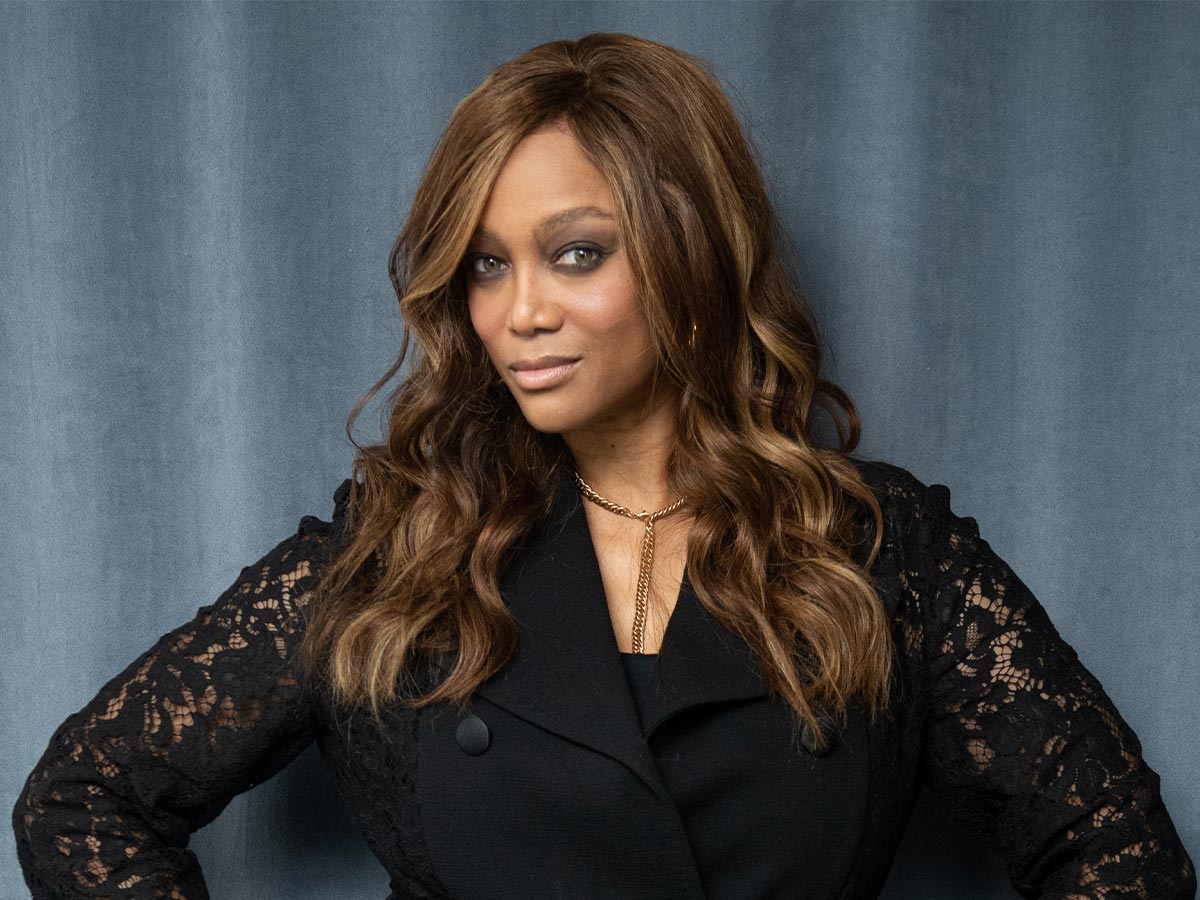
Employee complaints against Tyra Banks highlight concerns about her management style on "America's Next Top Model." Specific examples include accusations of favoritism, where certain contestants received preferential treatment. Former contestants have reported instances of public humiliation, such as being criticized for their appearance and personal choices.
One notable example involves a contestant who was told to close the gap in her teeth to advance in the competition. Another complaint includes allegations of creating a high-stress environment, with unrealistic expectations and limited support.

Sam Altman’s leadership reputation sits at the center of modern Silicon Valley’s biggest debates about power, speed, and accountability in the AI era. As CEO of OpenAI, he has overseen a company operating at the frontier of artificial intelligence, where internal decisions and governance structures have faced intense public scrutiny—especially following his brief ousting and rapid reinstatement in 2023. In the aftermath, Altman has taken on a more visibly policy-oriented public role, with OpenAI releasing proposals aimed at preparing for large-scale economic disruption from advanced AI.
Among the ideas discussed are structural reforms such as public wealth funds, taxes tied to automated labor, and even encouraging experimentation with shorter workweeks without reduced pay as productivity shifts. These proposals have positioned him less as a traditional “boss” in the corporate sense and more as a figure increasingly involved in shaping how future work itself might be structured.

If the “ice queen boss” trope had a real-world mascot, it would be Anna Wintour. As the longtime editor-in-chief of Vogue, she’s built a reputation for razor-sharp standards, minimal tolerance for mistakes, and an aura that keeps even seasoned fashion insiders on edge.
Former assistants have described a high-pressure environment where perfection isn’t just expected—it’s assumed—and anything less can feel like a career-ending misstep.
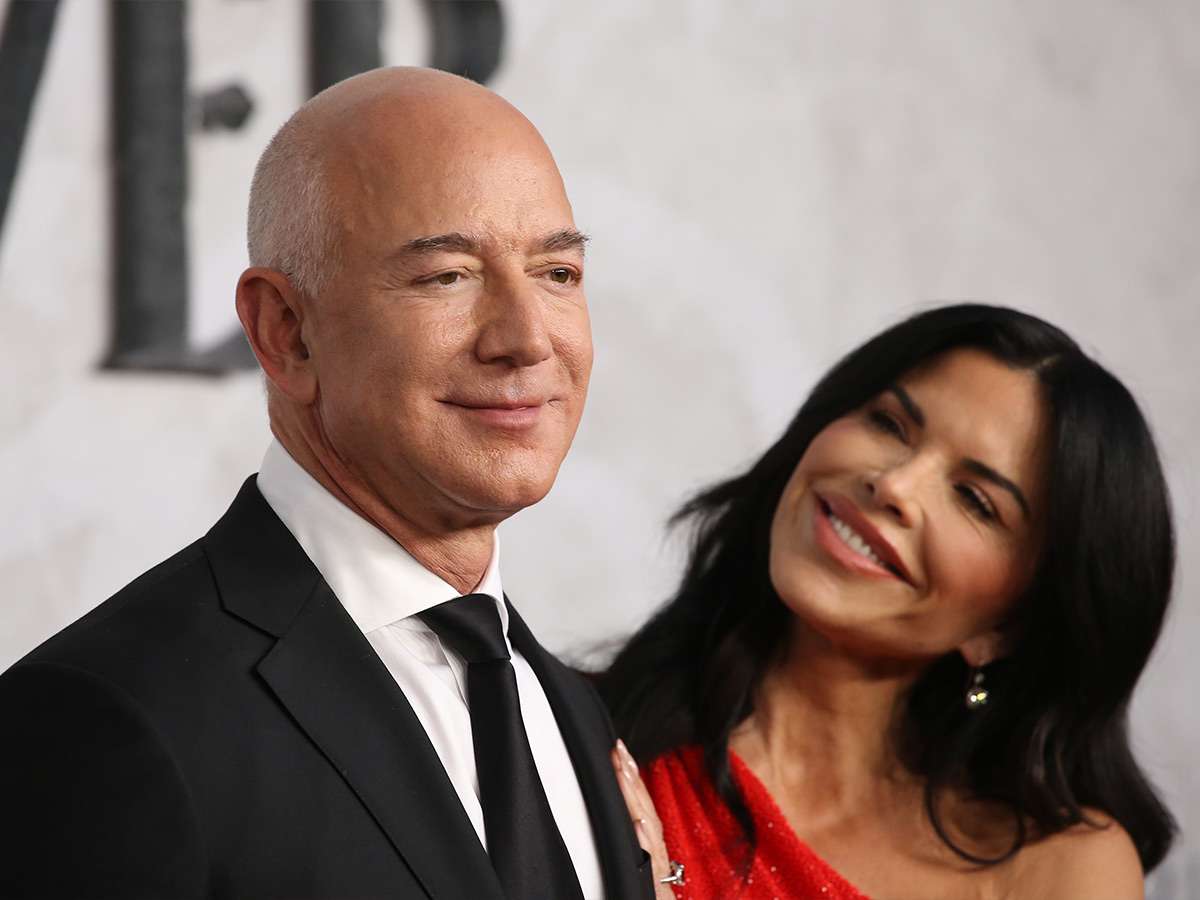
Jeff Bezos built Amazon into one of the most powerful companies in the world, redefining how people shop and how logistics operate at scale. But alongside that growth, Amazon has faced sustained criticism over its treatment of warehouse and delivery workers. Reports and investigations have described extremely demanding productivity targets, with drivers and warehouse staff under constant time pressure to meet quotas. Among the most widely cited controversies are accounts from delivery drivers who said they were forced to urinate in bottles due to tight schedules and lack of access to restrooms on routes.
The company has also been criticized for its heavy reliance on automated systems in parts of its workforce management, including reports of employees receiving termination notices or disciplinary messages through automated texts or system-generated communications. While Amazon disputes some of these characterizations and points to operational complexity at massive scale, the narratives have become a central part of how its labor practices are publicly discussed.
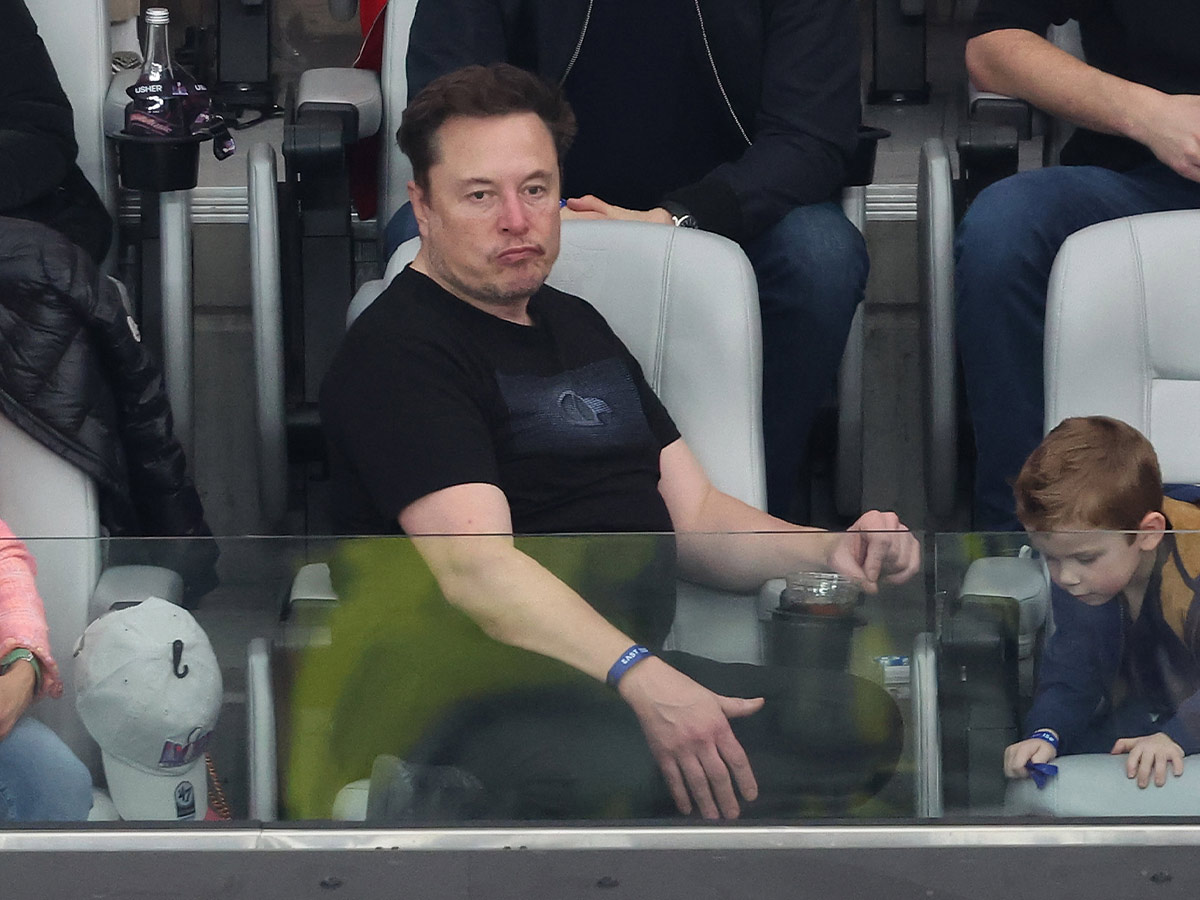
Elon Musk’s reputation as a boss is tightly tied to his extreme, high-intensity management style across multiple companies, from Tesla to SpaceX and X (formerly Twitter). Former employees have frequently described demanding work cultures defined by long hours, rapid-fire decision-making, and expectations that can stretch well beyond the traditional workweek—sometimes into the 80–100 hour range during crunch periods. Musk is also known for highly direct, often public criticism of teams and individuals, along with sudden strategic shifts that force rapid execution with little warning.
His $44 billion acquisition of Twitter in 2022 became one of the most closely watched corporate transformations in recent memory, followed by sweeping organizational changes and major workforce reductions that reshaped the company’s structure and operations almost immediately. He became notorious for rolling out half-baked updates to the platform, such as making account location visible, which he ended up reverting after backlash.
More recently, Musk’s name has also been associated with efforts tied to Trump's new Department of Government Efficiency (DOGE), a high-profile initiative aimed at streamlining federal operations. The effort drew significant criticism over its execution and limited visible outcomes, with debate continuing over how effective its reforms have been in practice.

Diddy has long been known for running a high-pressure, status-driven empire where loyalty and nonstop hustle are non-negotiable. Former employees and collaborators have described intense expectations, unpredictable demands, and an environment where the stakes always felt high. In recent years, however, his reputation has been further complicated by a wave of serious legal allegations and lawsuits involving misconduct claims that have drawn widespread media attention and renewed scrutiny of his leadership style and private conduct.
While he remains a towering figure in music and business, the contrast between his public legacy and these ongoing allegations has become a major part of how his “boss” reputation is now discussed.

In the world of professional wrestling, Vince McMahon built an empire—and a reputation for absolute control. Stories of long hours, strict creative oversight, and a “my way or the highway” approach have followed him for decades.
Add in recent scandals, and his leadership style is often described as as intense behind the scenes as the action in the ring.

James Cameron’s films are massive, ambitious, and meticulously crafted—and his directing style matches. Known for demanding perfection and pushing crews to their limits, he’s earned a reputation as a brilliant but exhausting boss.
On a Cameron set, expectations are sky-high, and patience for anything less than excellence can run pretty thin.
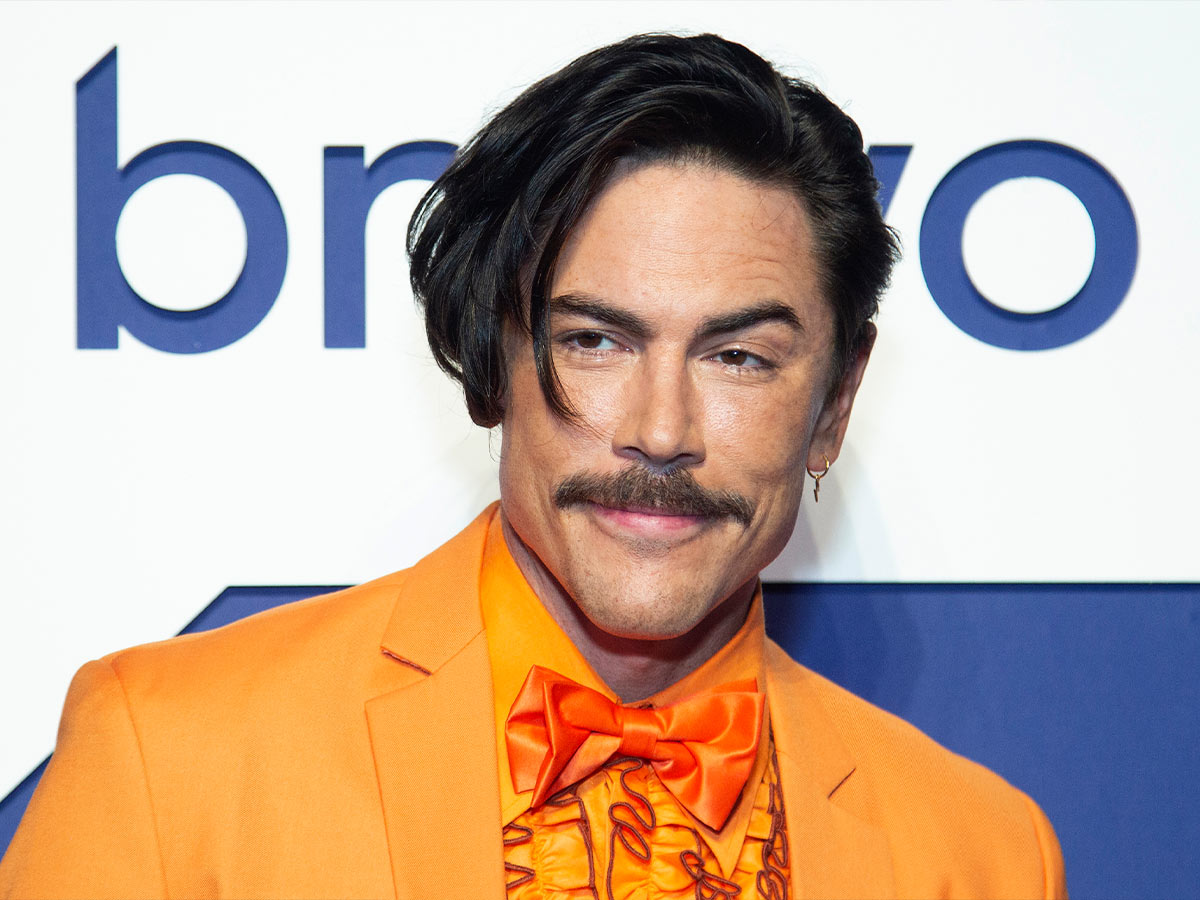
Tom Sandoval has been described as a difficult boss due to his high expectations and critical management style. Specific examples include reports from employees at his restaurant, TomTom, who claim that Sandoval is often overly critical of their work. Staff members have recounted instances where Sandoval publicly reprimanded them for minor errors, creating a stressful work environment.
Additionally, he is known for micromanaging, which has caused frustration among his team. Another example is his insistence on perfection in both service and presentation, leading to long hours and high pressure.
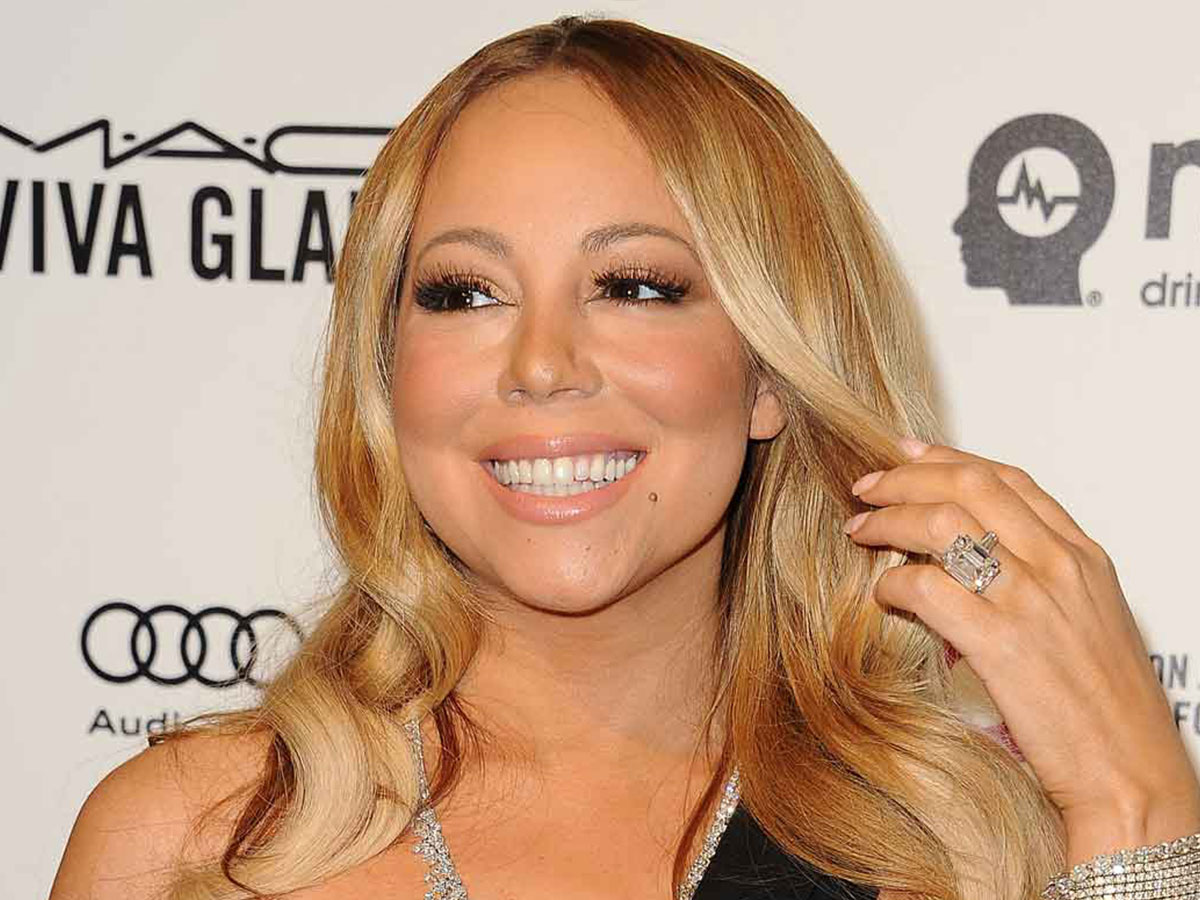
Employee complaints against Mariah Carey often center on her demanding and unpredictable behavior. Specific examples include accounts from former staff who describe being on call 24/7, with frequent last-minute demands disrupting their personal lives. One notable incident involved a former assistant who claimed Carey subjected her to verbal abuse and physical intimidation.
Another example includes reports of staff being pressured to carry out unreasonable tasks, such as holding her drinks for extended periods or adjusting room temperatures multiple times until perfect.
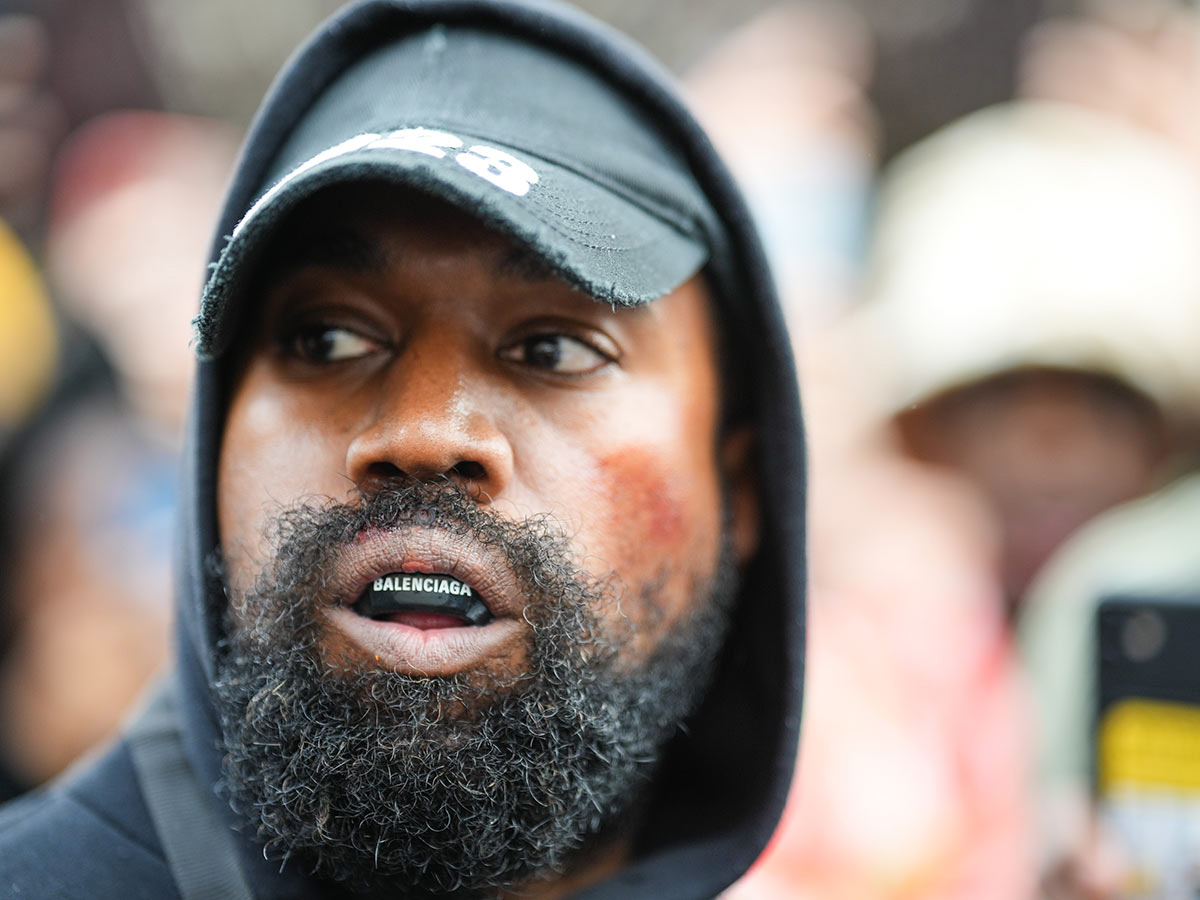
Kanye West is one of the most influential—and unpredictable—creative forces in modern music and fashion, but his leadership style has also drawn consistent criticism from former collaborators and employees. Over the years, reports and legal filings have described chaotic working environments marked by abrupt decisions, intense pressure, and highly unconventional workplace behavior. Videos have surfaced over the years of Kanye yelling at his team of employees.
Among the more widely discussed allegations in lawsuits from former staff is the claim that he showed explicit sexual content in professional settings, contributing to an atmosphere many described as uncomfortable and unstructured. Supporters often frame his methods as part of a boundary-pushing creative process, but critics point to a pattern where the line between artistic vision and workplace conduct is frequently blurred.
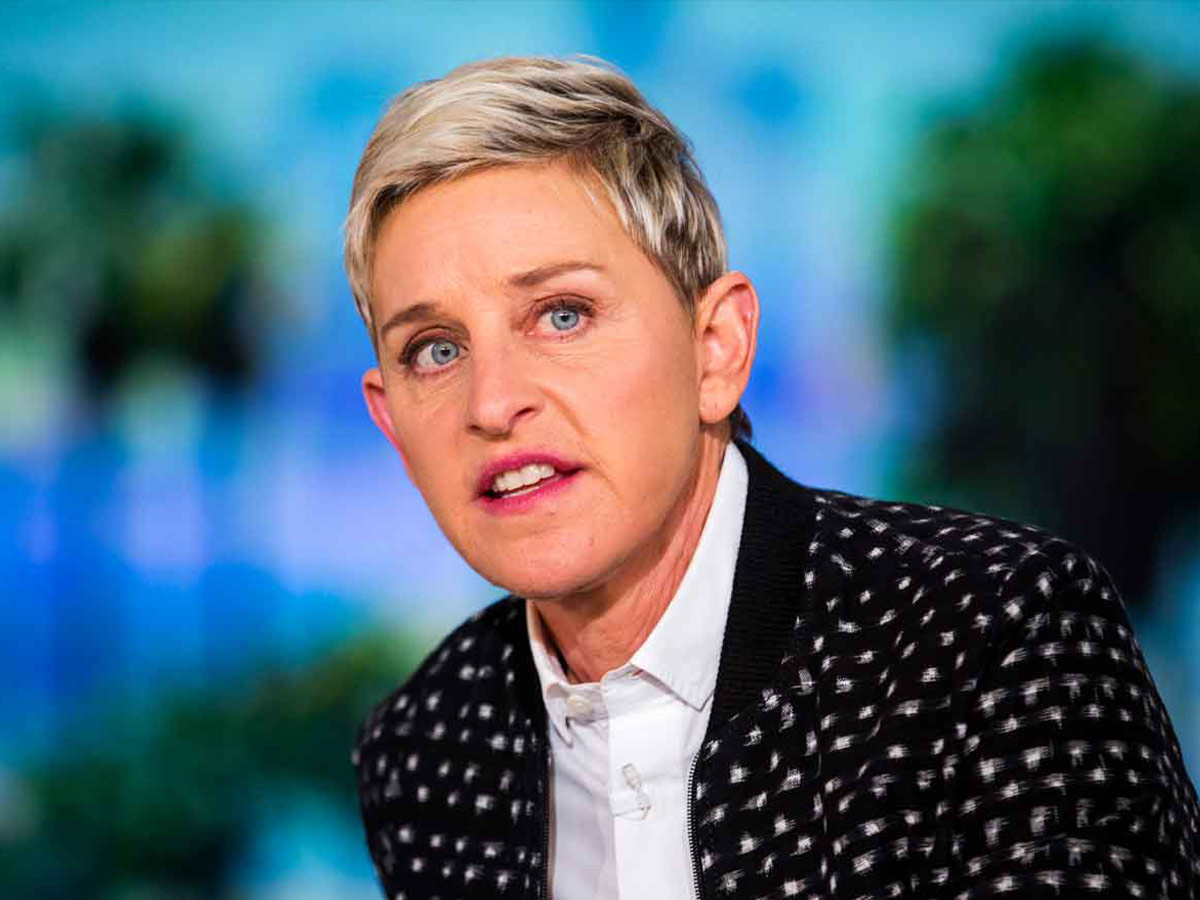
Employee complaints against Ellen DeGeneres often cite a toxic work environment behind the scenes of her show. Specific examples include former staff members alleging bullying and intimidation from senior producers, with claims that DeGeneres turned a blind eye.
One former employee reported being fired after taking medical leave following an accident. Another example involves claims of favoritism and discrimination, with employees stating they were reprimanded for minor infractions while others faced no consequences for similar actions. Additionally, there have been accusations of a lack of communication and respect from management.

Lyndon B. Johnson didn’t just manage people—he steamrolled them. Famous for the so-called “Johnson Treatment,” he used sheer physical presence, relentless persuasion, and sometimes outright intimidation to get his way.
Staffers and colleagues alike found themselves cornered—literally and figuratively—by a leader who believed winning the argument mattered more than sparing anyone’s comfort.

Richard Nixon’s leadership style, revealed in part through his secretly recorded tapes, painted a picture of a deeply distrustful and often volatile boss.
Aides operated in an atmosphere of tension, where loyalty was paramount and paranoia wasn’t uncommon. It’s hard to build a healthy workplace when everyone feels like they’re being watched—or tested.

Angelina Jolie has been described as a difficult boss due to her intense work ethic and high expectations. Specific examples include reports from film crews who have experienced her rigorous demands on set. During the filming of "Unbroken," crew members reported long hours and strict adherence to Jolie's vision, which sometimes led to exhaustion and stress.
Additionally, some staff from her humanitarian projects have mentioned her exacting standards and relentless pursuit of goals, creating a high-pressure environment. Another instance involves her direct involvement in all aspects of production, leaving little room for creative input from others.

Few modern music industry figures have been as controversial behind the scenes as Dr. Luke. The producer’s long legal battle with artist Kesha brought intense scrutiny to his working relationships, with allegations of manipulation and control dominating headlines for years. By the time he worked with Katy Perry on her 2024 album, his reputation caused fans to turn on the singer.
Regardless of where people land on the legal outcome, the situation cemented his reputation as a deeply polarizing—and, to some, intimidating—figure to work with.
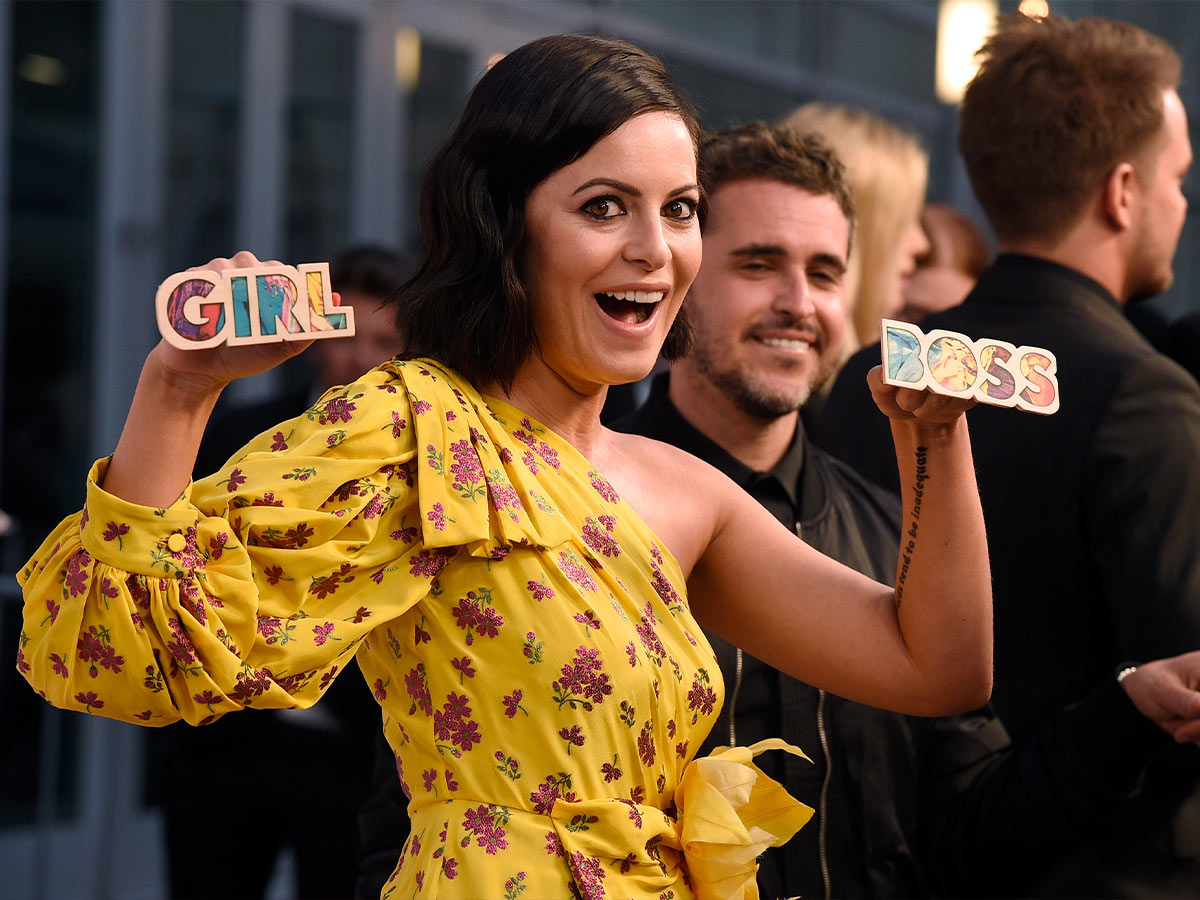
Employee complaints against Sophia Amoruso, founder of Nasty Gal, have surfaced, highlighting a challenging work environment. Former staff members allege micromanagement and unrealistic expectations. Specific examples include sudden terminations without clear reasons and pressuring employees to work long hours without adequate compensation.
One former employee reported being publicly reprimanded for minor mistakes, creating a fear-driven atmosphere. Another example involves accusations of favoritism, where certain employees received easier tasks and better treatment. Reports also mention a lack of support and professional growth opportunities.

Behind the sleek black turtlenecks and bold promises, Elizabeth Holmes reportedly ran Theranos with an iron grip. Employees described a culture of secrecy, siloed teams, and intense pressure not to question leadership.
The result was a workplace where speaking up felt risky—and where silence ultimately enabled one of Silicon Valley’s most infamous corporate scandals.

Mark Zuckerberg isn’t typically painted as explosive or theatrical, but criticism of his leadership often centers on something subtler: opacity. Former employees have pointed to sudden strategic pivots, relentless performance expectations, and a decision-making process that can feel top-down and inscrutable.
It’s less about yelling—and more about the pressure of keeping up in a company that never really slows down.

Dan Schneider was one of Nickelodeon’s most influential television producers, behind a string of massively successful kids’ and teen sitcoms that defined the network in the 2000s and early 2010s. In later years, his legacy became the subject of significant scrutiny following workplace complaints, former staff accounts, and public allegations regarding inappropriate behavior and a highly controlled production environment on some of his shows. Schneider’s departure from Nickelodeon in 2018 further fueled discussion about what went on behind the scenes during his tenure.
The conversation was reignited years later by documentaries and exposés revisiting that era of Nickelodeon, most notably the 2024 series Quiet on Set: The Dark Side of Kids TV, which brought renewed attention to former cast and crew allegations and broader concerns about safeguarding and oversight in children’s entertainment. Schneider has denied wrongdoing, and no criminal charges have been brought against him in connection with these allegations, but the sustained public scrutiny has made his name a focal point in ongoing discussions about child-focused television production culture and industry accountability.
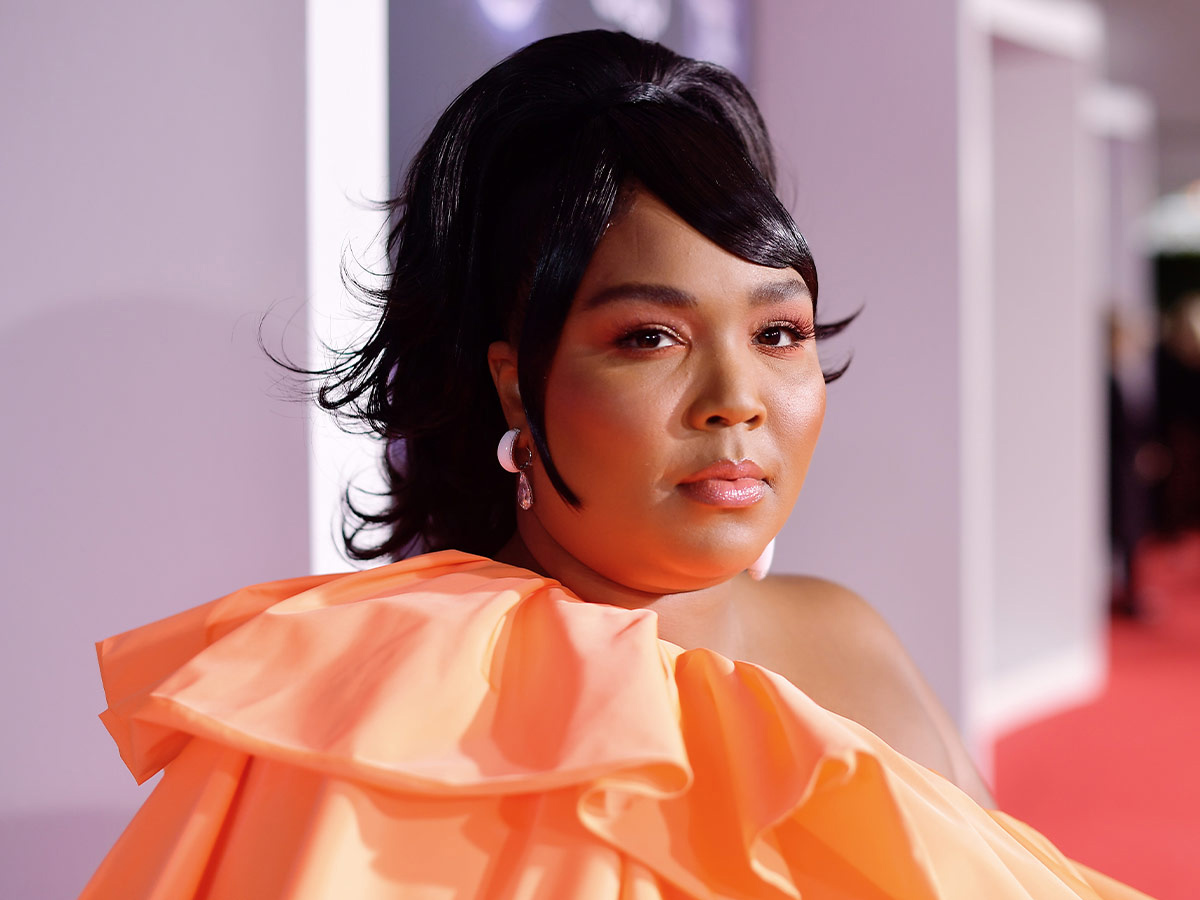
Complaints against singer Lizzo have highlighted concerns about her management style. Former dancers allege she created a toxic work environment, citing instances of body shaming and demeaning comments. Specific examples include accusations of Lizzo berating dancers for gaining weight and making inappropriate remarks about their appearance.
In one instance, a dancer claimed she was pressured into participating in activities that made her uncomfortable during off-hours. Another example involves allegations of favoritism, where certain employees received preferential treatment, leading to resentment among the team.

Henry Ford revolutionized manufacturing, but working for him was another story. He enforced strict control not just over the factory floor but, at times, employees’ personal lives through invasive oversight policies.
Add in his fierce anti-union stance, and you get a workplace where efficiency thrived—but autonomy definitely didn’t.
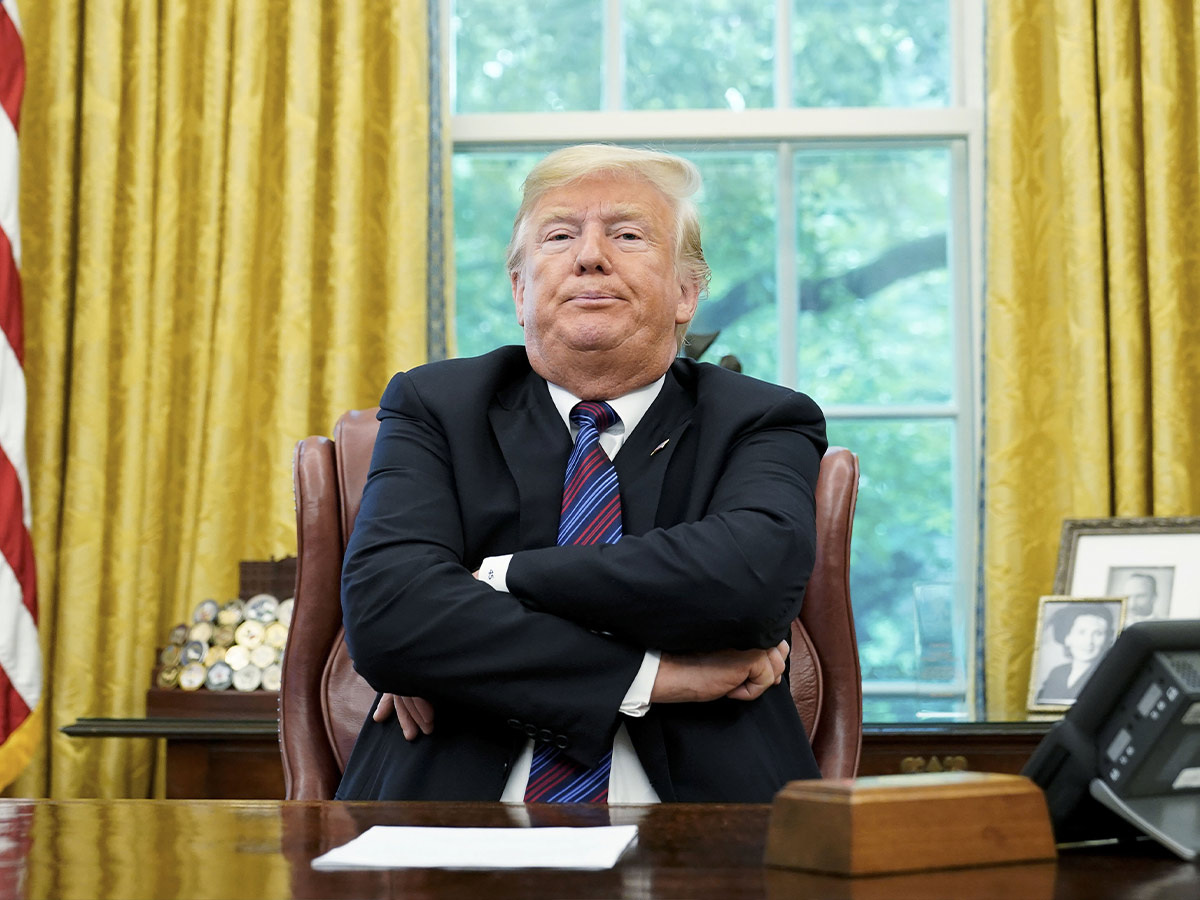
Donald Trump’s leadership style has long been associated with a highly public, combative approach to management and communication. Before entering politics, he became widely known through The Apprentice, where his catchphrase “You’re fired” helped cement a cultural image of him as a decisive, often abrupt boss who frames personnel decisions as dramatic, zero-sum moments. In both business and public life, former associates and staff have frequently described a workplace culture centered on loyalty, strong hierarchy, and direct—sometimes harsh—feedback.
Trump is also known for his confrontational style with critics and journalists, including the use of pointed nicknames for media figures during public exchanges, such as calling a reporter “Piggy” for asking a question about the Epstein files. In response to criticism, he has consistently rejected negative coverage or accounts from former staff, often characterizing them as inaccurate, biased, or driven by political motives, and popularizing the term “fake news” as a broad dismissal of unfavorable reporting.
Overall, Trump’s public persona as a boss is closely tied to theatrics, loyalty expectations, and high-visibility decision-making—where praise and dismissal alike tend to play out on a very public stage.

If you’ve seen Dance Moms, you already know: Abby Lee Miller doesn’t do gentle feedback. Her teaching style—equal parts harsh critique and high-stakes pressure—has drawn criticism for crossing into humiliation.
While it undeniably produces results, it’s also made her one of reality TV’s most infamous “tough love” bosses.

A visionary who reshaped entire industries, Steve Jobs was equally famous for a management style that could be, at best, brutally direct—and at worst, openly dismissive.
Former employees have recounted being publicly criticized or pushed to extremes in pursuit of perfection. For Jobs, great wasn’t good enough, and that uncompromising mindset often came at a human cost.
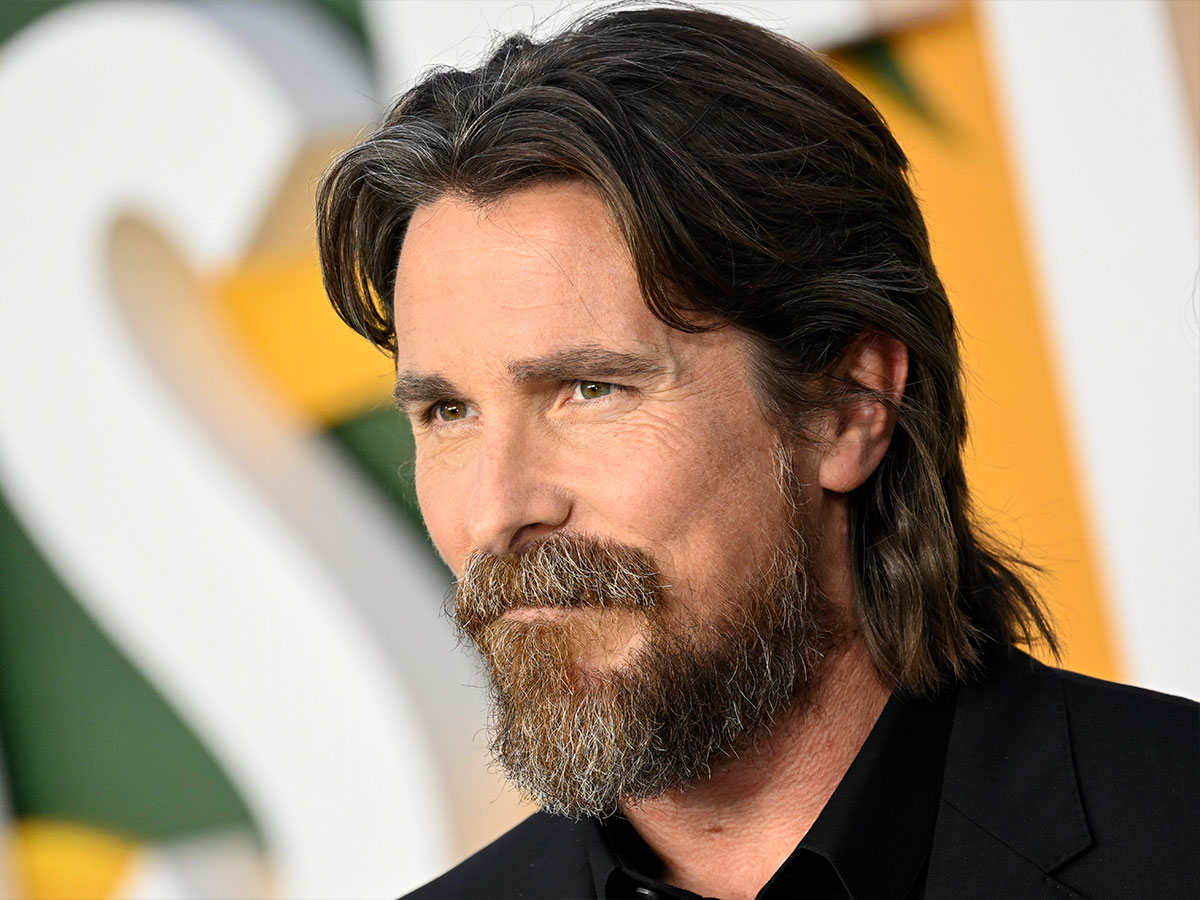
Christian Bale has been described as a difficult boss due to his intense and exacting demeanor on set. Specific examples include a widely publicized incident during the filming of "Terminator Salvation," where Bale launched into an expletive-laden tirade at a crew member for walking into his line of sight during a scene.
This outburst reportedly created a tense atmosphere on set. Another example involves Bale's reputation for demanding perfection from his co-stars and crew, sometimes leading to confrontational interactions.
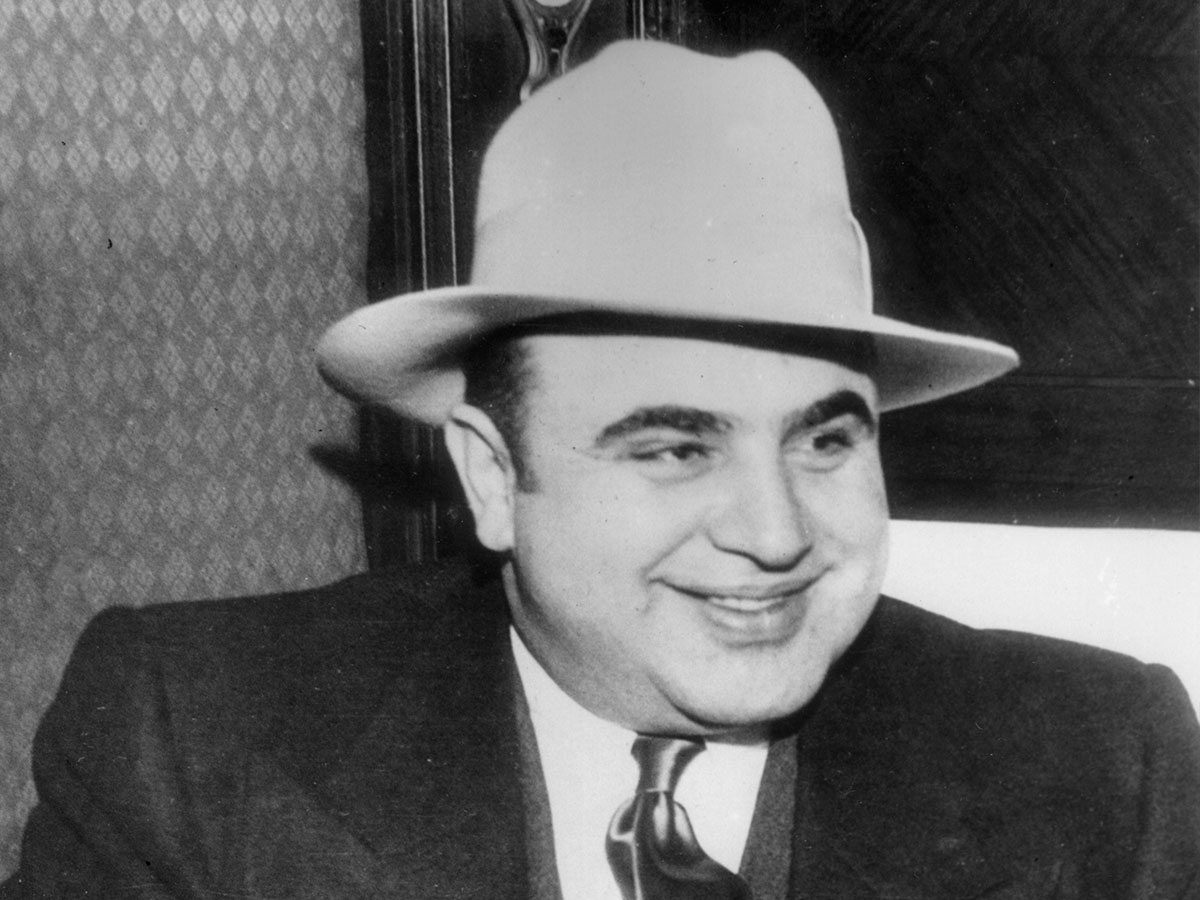
Al Capone was known as a notoriously difficult boss within his crime syndicate. Specific examples of his harsh management include his ruthless enforcement of discipline, often resorting to violence to maintain control.
Employees who failed to follow orders or showed disloyalty risked severe punishment, including death. For instance, Capone's involvement in the infamous St. Valentine's Day Massacre demonstrated his extreme measures to eliminate rivals and perceived traitors. Another example includes the brutal beating of three associates with a baseball bat at a dinner party for alleged betrayal.
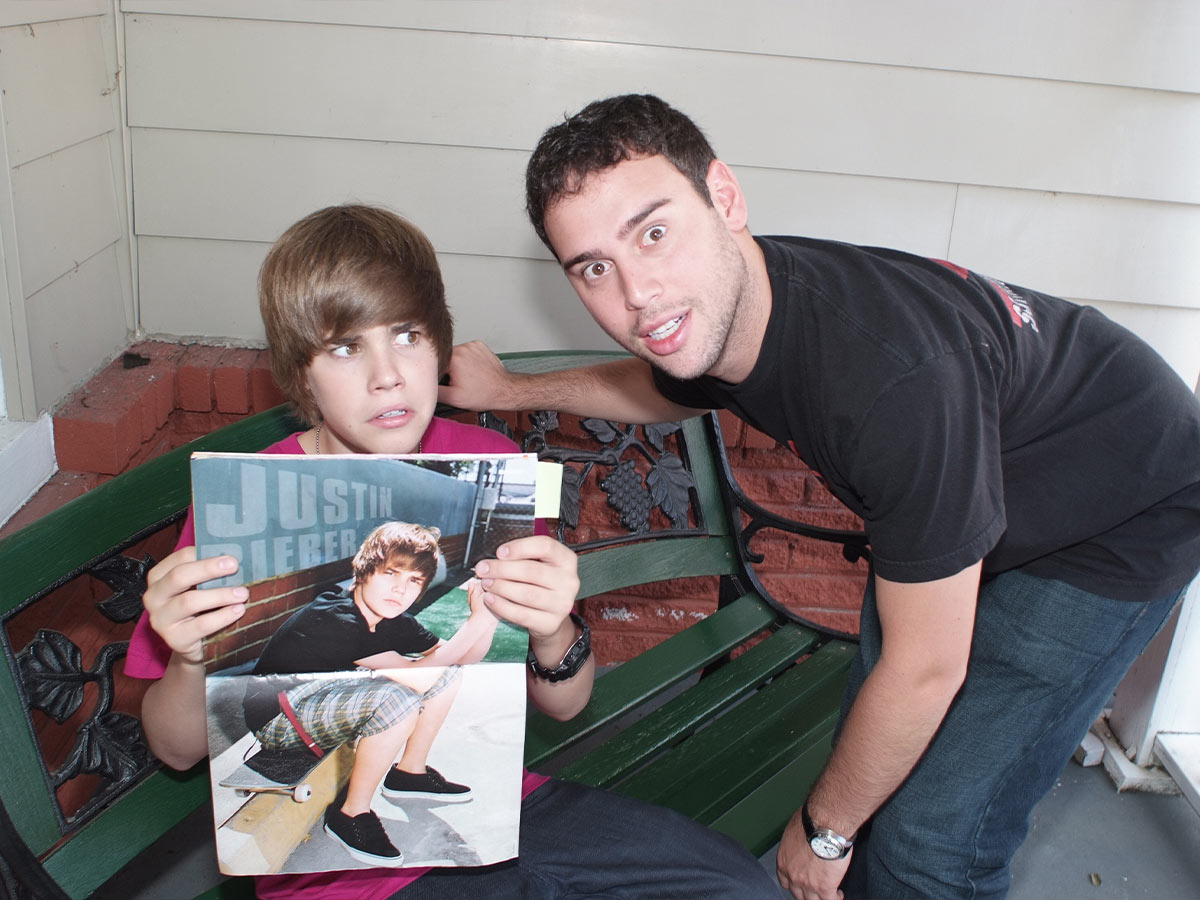
Employee complaints against Scooter Braun focus on his aggressive business tactics and high-pressure management style. Specific examples include allegations from former employees about a demanding work environment where long hours and tight deadlines were the norm.
One instance involved Braun reportedly berating an employee during a meeting for not meeting expectations, creating a culture of fear and anxiety. Another example includes claims from artists managed by Braun, such as Taylor Swift, who accused him of manipulative practices and lack of transparency.

Once one of Hollywood’s most powerful producers, Harvey Weinstein became synonymous with abuse of power. Numerous allegations from employees and actors described a deeply toxic and coercive environment, where careers could hinge on compliance.
His downfall didn’t just end an era—it forced an industry-wide reckoning about what had long been tolerated behind closed doors.
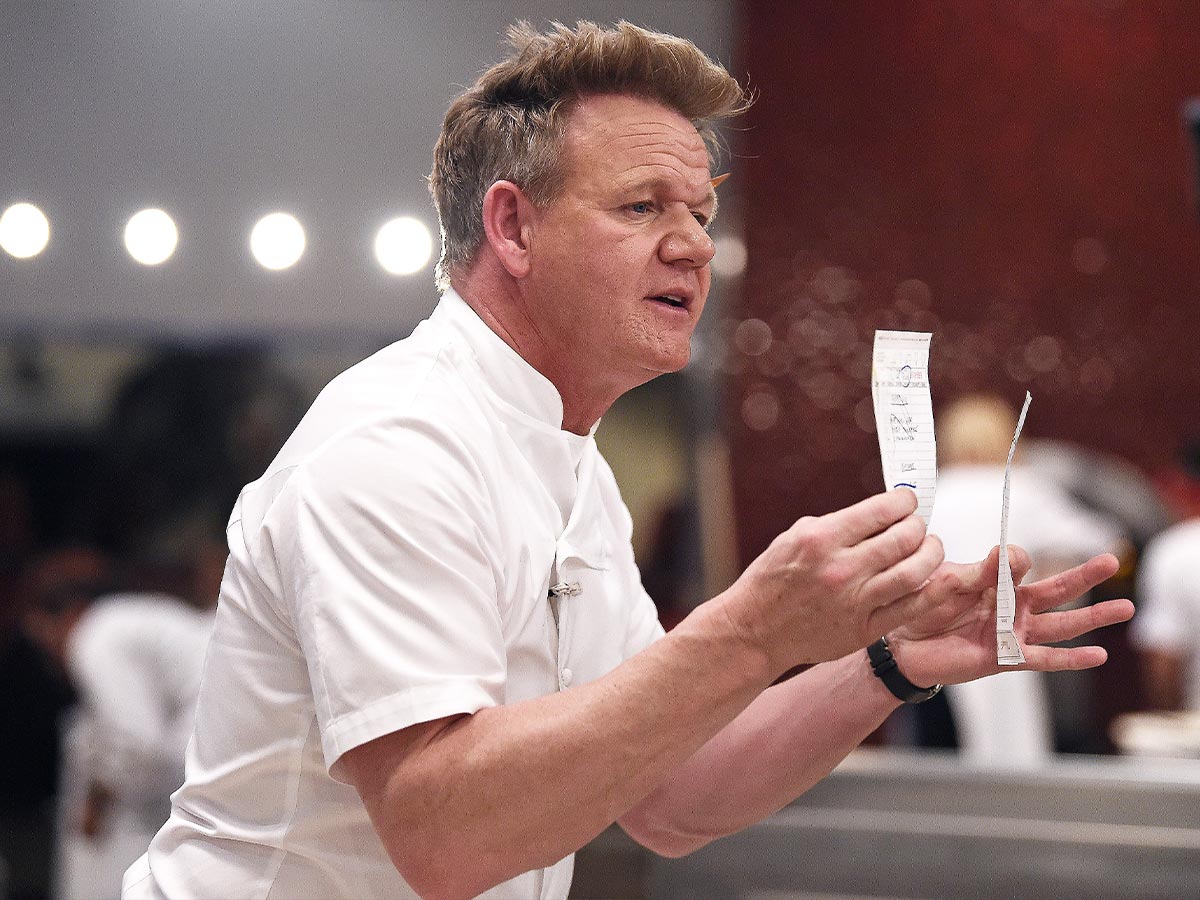
Gordon Ramsay is often regarded as a difficult boss due to his exacting standards and explosive temper. Specific examples include his behavior on shows like "Hell's Kitchen," where he frequently yells at contestants for mistakes. Employees have reported being subjected to intense scrutiny and public beratement for minor errors.
One notable instance involved Ramsay throwing raw food back at chefs during service. Another example includes his relentless demand for perfection, leading to long hours and high stress among his restaurant staff.

Andrew Cuomo faced multiple allegations of sexual harassment from former staffers and aides during his time as governor. In 2021, an investigation by the New York Attorney General's Office concluded that Cuomo had sexually harassed multiple women, including state employees, and fostered a workplace culture described as hostile and uncomfortable for some staff.
Cuomo denied the allegations, but the findings led to intense political pressure and ultimately his resignation from office that same year.

Jen Shah brought over-the-top boss energy to reality TV—but off camera, her business practices told a much darker story. Best known from The Real Housewives of Salt Lake City, Shah was accused of running a nationwide telemarketing scheme that targeted vulnerable individuals, including the elderly. In 2022, she pleaded guilty to fraud charges and was later sentenced to prison, confirming that the flashy lifestyle she projected was tied to deeply illegal operations.
Former assistants and associates had already described chaotic demands and intense pressure, but in hindsight, those accounts landed differently—less “difficult boss,” more a glimpse into a workplace built around deception at its core.

Recent headlines have put Eric Swalwell under intense scrutiny following a series of serious allegations reported by the BBC. According to the report, multiple women have accused the congressman of sexual misconduct, with one woman alleging a non-consensual encounter dating back to 2018—while the congressman's wife was pregnant. Others have described a pattern of inappropriate behavior, including unwanted advances and explicit communication.
The accusations have sparked investigations and swift political consequences, including his decision to withdraw from California’s gubernatorial race. Swalwell has denied all wrongdoing, maintaining that the claims are false and politically motivated, but the controversy has cast a long shadow over his career and fueled renewed debate about accountability among public officials. Video footage implicating Swalwell leaked and has been making the rounds on the internet as well.
