Nattie Neidhart, better known as Natalya, emerged as a standout in WWE thanks to her combination of technical skill, pedigree, and determination. Hailing from the legendary Hart wrestling family, she carried the family legacy with pride, blending classic wrestling fundamentals with modern athleticism.
Early in her career, Natalya showcased her mat-based expertise and submission skills, quickly becoming a credible competitor in WWE’s women’s division. While initially overshadowed by flashier characters, her consistency, work ethic, and ability to tell a story in the ring earned her respect from peers and fans alike. Natalya proved that wrestling wasn’t just about flash, it was about skill, strategy, and heart.

Natalya has become one of WWE’s most respected veterans, combining technical mastery with mentorship and leadership in the women’s division. Still an active competitor, she balances in-ring performance with guiding younger talent, helping elevate the next generation of female superstars.
A multi-time Women’s Champion, Natalya is celebrated for her submission expertise, storytelling, and enduring work ethic. Outside the ring, she engages in media appearances, fitness ventures, and charitable work, maintaining her Hart family legacy both on and off-screen. Decades into her career, Natalya remains a cornerstone of WWE, proving that skill, dedication, and adaptability can create a lasting impact in professional wrestling.

Rob Van Dam, or RVD, was the ultimate high-flyer and martial arts-inspired phenom in WWE, blending agility, charisma, and a laid-back attitude into a uniquely captivating package. Known for his signature moves like the Five-Star Frog Splash and the Van Daminator, he could wow audiences with jaw-dropping athleticism while delivering smooth, entertaining matches.
RVD’s style made him a standout in the mid-card and main event scenes, earning multiple Intercontinental, Hardcore, and World Championships. With his relaxed persona, crowd-pleasing antics, and daredevil approach, he became a fan favorite, proving that effortless cool and technical skill could coexist, making him one of the most memorable and entertaining wrestlers of his era.

Rob Van Dam remains a beloved figure in wrestling, occasionally appearing in WWE, AEW, and various independent promotions to showcase his signature high-flying, hard-hitting style. Though no longer a full-time competitor, he continues to wow fans with his acrobatic moves, smooth in-ring psychology, and undeniable charisma.
Outside wrestling, RVD has pursued acting, martial arts, and personal projects, maintaining his laid-back, free-spirited persona. His legacy endures as one of the most innovative and entertaining performers of his generation, inspiring countless high-flyers and proving that even decades later, Rob Van Dam’s combination of skill, flair, and personality keeps him unforgettable in the wrestling world.

In the 2000s, John Cena wasn’t just a WWE superstar, he was the WWE superstar. Bursting onto the scene during the Ruthless Aggression Era, he quickly traded his bland rookie trunks for throwback jerseys, freestyle raps, and his trademark “Doctor of Thuganomics” persona. Fans either loved him or hated him, but nobody ignored him.
By mid-decade, Cena had transformed into WWE’s franchise player, headlining WrestleManias, winning 16 world championships, and becoming the face plastered on every poster, lunchbox, and video game cover. His “Hustle, Loyalty, Respect” mantra defined a generation of WWE fans, and even his critics had to admit, whether he was rapping, riling up crowds, or hoisting giants on his shoulders, Cena was the ultimate company man of the 2000s.

These days, John Cena is more Hollywood than headlock, but his WWE roots remain unshakable. Though he wrestles only on rare occasions, usually a nostalgia-fueled comeback match, he’s carved out a second life as a bona fide movie star. From The Suicide Squad and its spinoff Peacemaker to comedies like Blockers and even a surprise dance number in Barbie, Cena has proven he can deliver laughs, action, and heart with equal gusto.
Despite his busy acting schedule, he still sneaks in heartfelt WWE appearances, often putting younger talent over while reminding fans why he’s a legend. He’s no longer the “Doctor of Thuganomics” or the full-time champ, but Cena’s legacy has shifted seamlessly, from chain gang soldier to global entertainer.

The Boogeyman, aka Kizarny in WWE, was a bizarre, horror-themed character designed to shock and entertain audiences. Debuting with grotesque theatrics, bug-eating, eerie entrance music, and a creepy demeanor, he became known for his ability to unnervingly engage the crowd rather than deliver traditional in-ring prowess.
Kizarny leaned heavily into character work, using theatrics, psychological antics, and offbeat promos to stand out in WWE’s mid-card. Though not a major championship contender, his outrageous persona made him memorable, proving that wrestling can entertain just as much through bizarre creativity and sheer audacity as through athleticism. He thrived on being unpredictable, odd, and impossible to ignore.

Kizarny, better known today by fans as The Boogeyman, has largely faded from WWE’s spotlight but remains a cult favorite for his bizarre and unforgettable gimmick. While he no longer competes regularly, he occasionally appears at conventions, nostalgia events, and fan meet-and-greets, delighting audiences with his creepy antics and stories from his WWE days.
Outside wrestling, he keeps a low profile, focusing on personal life and occasional media appearances. Though his career was short-lived compared to many peers, Kizarny’s legacy endures as one of WWE’s most unusual and creative characters, a performer who proved that horror, humor, and shock value could leave a lasting mark.

By the 2000s, Dwayne “The Rock” Johnson had already cemented himself as one of the most electrifying figures in sports entertainment history. A third-generation wrestler with charisma pouring out of every eyebrow raise, The Rock dominated the Attitude Era before carrying his momentum into the 2000s.
He headlined WrestleManias, cut catchphrase-filled promos that had crowds chanting along, and wove seamlessly between villain and hero. With his “People’s Eyebrow,” endless smack talk, and devastating Rock Bottom, he became both a locker room leader and a mainstream crossover star.
By the mid-2000s, The Rock began shifting toward Hollywood, appearing in action flicks and comedies, signaling that wrestling’s biggest star was destined to electrify far more than just the squared circle.

Now, Dwayne “The Rock” Johnson is less “laying the smackdown” and more laying the groundwork for a global empire. He’s one of Hollywood’s highest-paid actors, with blockbusters like Fast & Furious, Jumanji, and superhero swings under his belt, plus the hit series Young Rock. Beyond movies, he co-owns the revived XFL football league, runs his tequila brand Teremana, and seems to announce a new business venture every other Tuesday.
Politically, his name even pops up in speculative presidential conversations, though he insists he’s focused on family and career. While his WWE returns are rare, whenever that iconic theme hits, arenas still erupt. From People’s Champ to people’s billionaire-in-waiting, The Rock’s star hasn’t just endured, it’s exploded.

Triple H cemented himself as WWE’s “Cerebral Assassin,” a master manipulator who thrived in the spotlight. After breaking out with D-Generation X, he evolved into one of the company’s most ruthless villains, a champion who didn’t just win matches, he orchestrated empires.
His reign of dominance on Raw was defined by the rise of Evolution, the powerhouse faction that launched future stars like Randy Orton and Batista. Triple H’s dramatic entrances, calculated promos, and punishing Pedigree made him the ultimate mix of showman and strategist.
Whether fans despised his politics or respected his longevity, one truth was undeniable: inside the ring and behind the curtain, he was “The Game,” and The Game always played to win.

This man has traded the sledgehammer for a suit, but his influence over WWE has only grown. After stepping back from full-time competition, he moved behind the curtain and became the creative architect of NXT, where he cultivated the next generation of stars and turned the brand into a wrestling fan’s dream.
Today, he holds one of the most powerful roles in the company, steering its creative direction and overseeing major storylines on the biggest stage. Health scares briefly slowed him down, but “The Game” bounced back, proving his resilience yet again. Though he’s rarely lacing up the boots, Triple H is still shaping WWE’s future, this time not as the champion in the ring, but as the kingmaker outside it.

Jeff Hardy was the daredevil of WWE, a high-flying risk-taker who pushed the boundaries of what was possible in the ring. Known for his wild charisma, colorful face paint, and gravity-defying stunts, Hardy became a fan favorite as part of the Hardy Boyz tag team and later as a singles competitor.
He captured multiple Tag Team and World Championships, wowing audiences with ladder matches, TLC bouts, and jaw-dropping dives from steel cages. Jeff’s blend of athleticism, creativity, and fearless attitude made every match unpredictable, while his punk-rock personality and connection with fans cemented his status as one of WWE’s most thrilling and beloved performers of his era.

Jeff Hardy continues to thrill fans with his daredevil spirit, making sporadic WWE appearances while also competing in other promotions like AEW and various indie circuits. Though his high-risk style has taken a toll on his body, Hardy remains a master of spectacle, known for jaw-dropping dives, ladder matches, and charismatic persona.
Beyond wrestling, he pursues music, art, and personal projects, staying true to his creative, free-spirited personality. Despite years of ups and downs, Jeff Hardy’s legacy as a fearless innovator endures, he’s still a fan favorite whose combination of heart, risk-taking, and showmanship ensures that “The Charismatic Enigma” is impossible to forget.

He was the ultimate underdog turned superstar, a performer who blended athleticism, charisma, and catchphrases that fans still shout today. Rising from WCW’s ranks as a multiple-time world champion, he made the leap to WWE and proved he belonged on the biggest stage.
His unmatched energy, fiery promos, and spectacular in-ring style made him a fan favorite. But Booker also had a gift for reinvention, none more memorable than his transformation into “King Booker,” a pompous, crown-wearing monarch who spoke in royal decrees and ruled SmackDown with equal parts comedy and ruthlessness. Whether teaming with his brother Stevie Ray in Harlem Heat or hoisting singles gold, Booker T brought credibility, entertainment, and five-time passion wherever he went.

Booker T has gracefully transitioned from in-ring royalty to respected elder statesman of the wrestling world. While his days of delivering Spinaroonies in the spotlight are largely behind him, he’s still a fixture in WWE as a commentator and analyst, bringing humor, candor, and the occasional “shucky ducky quack quack” to broadcasts.
Beyond the mic, he runs his own wrestling school and promotion, Reality of Wrestling, training and mentoring the next wave of talent. Booker also pops up for nostalgia cameos, proving he can still get a crowd on its feet with one raise of the hand. From Harlem Heat to King Booker to WWE Hall of Famer, his legacy remains as vibrant as his charisma ever was.

Mickie James was one of WWE’s most electrifying female competitors, blending athleticism, charisma, and a flair for drama that made her unforgettable. Bursting onto the scene as a fiery rival to Trish Stratus, Mickie quickly proved she could hang with the best, winning multiple Women’s Championships with a mix of technical skill and high-octane energy.
Her signature moves, the Mick Kick and the long, intense matches, made every appearance must-see TV. But beyond the ring, Mickie’s ability to tell a story and connect with fans elevated her above many peers, turning her into not just a champion, but a trailblazer who helped redefine what women could achieve in WWE.

This babe has seamlessly blended her wrestling legacy with a surprising second act as a country music artist. While she occasionally steps back into the ring for WWE or indie appearances, her focus is now on touring, recording albums, and connecting with fans through her music. Still competitive and passionate, she occasionally headlines women’s matches that remind everyone why she was a trailblazer in her prime.
Beyond performing, Mickie mentors younger talent, sharing the lessons she learned from decades in the squared circle. From fierce rivalries with Trish Stratus to charting singles on stage, Mickie James has proven she can shine in more than one spotlight, always leaving an impression, whether in leather boots or cowboy boots.

Rey Mysterio, aka Óscar Gutiérrez, was the ultimate underdog hero, redefining what a high-flying wrestler could do in WWE. Standing just 5’6”, he stunned audiences with jaw-dropping aerial maneuvers, lightning-fast agility, and a mask that became iconic worldwide. A master of lucha libre, Rey thrilled fans with his 619, springboard moves, and never-say-die attitude, often toppling much larger opponents in unforgettable matches.
He wasn’t just a competitor; he was a storyteller, combining athleticism and heart in every bout. Rey became a multi-time world champion and a beacon for smaller wrestlers everywhere, proving that size doesn’t dictate success, and that passion, creativity, and resilience can make anyone a legend.

Today Mysterio continues to defy the odds, still dazzling fans with his high-flying style well into the later stages of his career. Though he’s no longer a full-time competitor, he makes sporadic WWE appearances, often in dream matches or mentorship roles, passing on his lucha libre legacy to younger stars.
Outside the ring, Rey is a family man and occasional ambassador for wrestling worldwide, bridging generations of fans with his signature mask and 619. His influence extends far beyond WWE, he’s inspired countless performers and made lucha libre a global phenomenon. Even today, when Rey soars off the top rope, it’s a reminder that legends never truly retire.

Mick Foley was the embodiment of hardcore wrestling, a fearless performer who turned pain into art and storytelling into legend. With his multiple personas, Cactus Jack, Mankind, and Dude Love, he could be vicious, bizarre, or comedic, often all in the same match. Foley became famous for pushing the limits, taking unforgettable bumps off steel cages, through tables, and into barbed wire, most notably in his Hell in a Cell match against The Undertaker.
Despite his extreme style, he connected deeply with fans, blending heart, humor, and humanity in every promo. A multi-time champion and hardcore icon, Foley wasn’t just wrestling; he was creating theatrical chaos that left audiences both horrified and cheering for more.

Foley has gracefully swapped the hardcore chaos of the ring for a multifaceted career as an author, comedian, and occasional WWE ambassador. He still pops up for special appearances, Hall of Fame ceremonies, or charity events, often delivering the same humor and heart that made him a fan favorite. Foley has penned several bestselling autobiographies and children’s books, showing off a surprisingly tender and witty side.
While he no longer takes chair shots or falls through tables, his influence on wrestling is immortal, inspiring generations of performers who push boundaries safely. From barbed wire to bestseller lists, Mick Foley proves that legends can reinvent themselves without ever losing their edge.

Sable was one of the original WWE Divas who helped pave the way for women in wrestling today. Her journey wasn’t without challenges, she filed a lawsuit against WWE, citing harassment and poor working conditions. She made a brief return in 2003 but left again in 2004 to focus on her family. Sable is celebrated as a former WWE Women’s Champion and is recognized as one of the top five WWE stars of the Attitude Era, widely regarded as wrestling’s greatest era.
Known for her bold personality, striking looks, and undeniable confidence, Sable wasn’t just eye candy, she was a savvy performer who could cut a promo, wrestle, and steal the show. Her feuds with competitors like Jacqueline were memorable, and she became a multi-time Women’s Champion, proving that charisma and skill could turn her into one of the company’s most bankable and talked-about stars.

Sable has largely stepped out of the WWE spotlight, but she remains a pop culture icon and trailblazer for women in wrestling. After leaving the ring, she focused on modeling, acting, and family life, occasionally making appearances at conventions or nostalgia-driven WWE events. Her influence is still felt in the way WWE promotes women, as she helped shift perceptions from mere valets to legitimate athletic stars.
Though she rarely wrestles today, fans remember her bold personality, feuds, and groundbreaking impact. Sable proved that confidence and charisma could carve out a lasting legacy, and decades later, she’s still celebrated as one of the women who helped pave the way for today’s women’s revolution in wrestling.

Edge was the ultimate opportunist in WWE, a cunning, unpredictable superstar who thrived on chaos and controversy. Known as “The Rated-R Superstar,” he built his reputation on daring stunts, ladder matches, and edge-of-your-seat risk-taking. Whether cashing in the first-ever Money in the Bank briefcase or leading the iconic tag team Edge & Christian, he combined technical skill with showmanship, charisma, and a knack for storytelling.
Edge’s feuds were legendary, from battles with the Undertaker to epic clashes with John Cena, and his ability to pivot between villain and hero kept fans guessing. Fearless, flashy, and forever willing to push limits, Edge defined a generation of WWE entertainment with swagger and guile.

Injuries can take a heavy toll on wrestlers, and a broken neck forced Edge to retire from in-ring competition. Fortunately, Adam “Edge” Copeland didn’t stay away from the spotlight. He transitioned to acting, appearing on Haven until the show ended in 2015, and later joining Vikings, which has concluded. Beyond his career, he married fellow WWE star Beth Phoenix and started a family.
Outside the ring, Edge hosts podcasts, and occasionally mentors younger talent, sharing the lessons that made him “The Rated-R Superstar.” His legacy is cemented as one of WWE’s most versatile and enduring performers, able to dominate ladders, headlines, and hearts alike. Even decades later, when that entrance music hits, arenas erupt, proving Edge’s edge never dulls.

Randy Orton quickly earned a reputation as “The Legend Killer,” a cold, calculating force in WWE with a talent for making veterans and newcomers alike look spectacular. Blessed with natural athleticism, a killer instinct, and a penchant for mind games, he could dominate matches with precision or end them in a flash with his devastating RKO.
Orton seamlessly blended villainy and occasional heroics, capturing multiple World Championships and headlining major events. His methodical, unpredictable style, equal parts psychological warfare and high-impact offense, made him a standout from the start. By combining legacy (he’s a third-generation wrestler) with his own ruthless persona, Randy Orton became one of WWE’s most feared and respected superstars.

Randy Orton remains one of WWE’s most enduring and feared competitors, still headlining pay-per-views and dominating storylines with his signature mix of cunning and brutality. Known for delivering RKOs “outta nowhere,” he’s maintained a reputation as both a ring general and a locker room leader, mentoring younger talent while staying at the top of the card.
Outside wrestling, Orton keeps a low profile, occasionally appearing in media projects; such as 12 Rounds 2: Reloaded (2013), The Condemned 2 (2015), and the TV show Shooter, and supporting charitable causes. Decades into his career, he’s still a multiple-time world champion and a fan favorite, or feared heel, depending on the storyline. Randy Orton has proven that legends don’t just leave the spotlight; they control it.

Brock Lesnar was a beast unleashed, a physical marvel who transitioned from NCAA wrestling champion to WWE juggernaut with terrifying ease. Nicknamed “The Next Big Thing,” Lesnar dominated opponents with sheer strength, speed, and aggression, often ending matches in a matter of minutes with his devastating F-5.
His presence was magnetic and intimidating, making every feud feel like a high-stakes battle. Beyond WWE, Lesnar also tested his skills in the UFC, adding legitimate fighting credentials to his resume. Even in his early WWE days, he was a perfect mix of athlete and spectacle, a man who could make any title match feel like a clash of titans.

Lesnar remains one of the most feared and unpredictable forces in professional wrestling, known for his rare but explosive WWE appearances. Though he no longer competes regularly, every match he takes part in feels like a monumental event, thanks to his unmatched size, agility, and aura of danger.
Between WWE stints and pro football, he continues to maintain his legacy as a former UFC champion, cementing his reputation as a legitimate powerhouse in combat sports. Outside the ring, Lesnar keeps a low profile, focusing on training and personal pursuits. Even with a reduced schedule, his presence alone can shake arenas, proving that when Brock steps in, chaos, and excitement, follows.

“Stone Cold” Steve Austin was the poster child of the Attitude Era, a beer-swilling, middle-finger-raising antihero who changed WWE forever. With his ruthless charisma, Austin could make fans cheer his rebellion against authority, especially in legendary battles with Vince McMahon.
His Stone Cold Stunner became one of the most iconic finishers in wrestling history, and his promos, equal parts snarl, wit, and raw attitude, kept audiences glued to the screen.
Austin was a multi-time WWE Champion, a main event fixture, and the driving force behind some of the company’s highest ratings ever. Love him or hate him, Stone Cold’s irreverence, intensity, and “don’t tell me what to do” persona defined a generation of wrestling fans.

“Stone Cold” Steve Austin has traded beer cans and Stunners for a quieter life, but his influence on wrestling remains colossal. Retired from in-ring competition due to injuries, Austin still makes occasional appearances at WWE events, special ceremonies, or Hall of Fame celebrations, instantly igniting crowds with his signature swagger and catchphrases.
Beyond the ring, he hosts a successful podcast, shares stories from his career, and stays connected to fans with his humor and no-nonsense attitude. Even decades later, Austin’s legacy as the anti-authority icon of the Attitude Era endures, proving that some rebels never truly retire, they just hang up their boots and keep raising hell in other ways.

Chris Benoit was widely regarded as one of the most technically gifted wrestlers of his generation, a master of submission holds and high-impact maneuvers. As a wrestler for 22 years and was hailed as being “one of the top 10, maybe even the top 5, all-time greats” by industry journalist Dave Meltzer. Known for his intensity, precision, and no-nonsense approach, Benoit excelled in both WWE and WCW, earning multiple World Championships along the way.
His matches were celebrated for their storytelling and physicality, often blending technical mastery with brutal realism. Benoit’s “Crippler Crossface” became a feared finishing move, and his ability to adapt to any opponent made him a locker-room favorite and fan favorite alike. Inside the ring, he was respected for his work ethic, dedication, and passion for wrestling, cementing his status as a top-tier performer of his era.

Benoit’s legacy is complicated and tragic. After the tragic loss of his family (and then himself) in 2007, WWE largely removed him from its programming, and his in-ring accomplishments have since been overshadowed by the event. Autopsies revealed that “Benoit’s brain was so severely damaged it resembled the brain of an 85-year-old Alzheimer’s patient,” according to the head of neurosurgery at West Virginia University.
Discussions of Benoit in wrestling circles are approached with caution, and his matches are rarely referenced officially. While fans still debate the talent he displayed in the ring, his personal actions have forever tainted his reputation.
Benoit’s story serves as a stark reminder of the importance of mental health, personal responsibility, and the impact of tragedy in professional wrestling, leaving a legacy that is both remembered for technical brilliance and marred by devastating circumstances.

Chyna was a groundbreaking force in WWE, shattering gender barriers and redefining what a female wrestler could achieve. Nicknamed “The Ninth Wonder of the World,” she dominated opponents with power and agility typically reserved for men, winning the Intercontinental Championship and regularly competing against male superstars.
Her imposing presence, combined with charisma and athleticism, made her a trailblazer in a male-dominated industry. As a founding member of D-Generation X, Chyna helped push the Attitude Era into overdrive with edgy storylines and unforgettable moments. Whether delivering a clothesline to a giant or trash-talking her way through promos, she proved that women could be just as formidable, entertaining, and iconic as any male competitor.

Chyna’s legacy lives on as a pioneer who changed the landscape of women’s wrestling, even though her later life was marked by personal struggles. After leaving WWE, she struggled with addiction. In 2008, she appeared on Celebrity Rehab with Dr. Drew, and in 2010, she was hospitalized after overdosing on sleeping medication.
Unfortunately, in 2016, she passed away in her Redondo Beach home at 46. In 2019, she was posthumously inducted into the WWE Hall of Fame.
While her career was cut short, her impact remains undeniable, she opened doors for future generations of female wrestlers to compete on equal footing with men. Fans and WWE alike remember her for breaking barriers, dominating the ring, and challenging expectations. Chyna’s influence continues to resonate, inspiring women to redefine strength, charisma, and athleticism in wrestling.

Diamond Dallas Page, or DDP, was the ultimate underdog turned fan favorite, rising from manager to main-event-level wrestler with sheer charisma and determination. Known for his flamboyant personality, colorful wardrobe, and signature moves like the Diamond Cutter, he became a staple in WCW before making waves in WWE. Page excelled at connecting with audiences, combining humor, heart, and intensity in his performances.
He captured multiple championships, headlined pay-per-views, and engaged in memorable feuds with legends like Goldberg, Sting, and Randy Savage. DDP’s journey from outsider to champion made him a symbol of perseverance, proving that with grit, charisma, and the right timing, anyone could climb to the top of the wrestling world.

These days DDP has reinvented himself as a wellness and fitness icon, turning his passion for health into the wildly successful DDP Yoga empire. While he no longer competes in the ring, he occasionally makes nostalgic wrestling appearances, delighting fans who remember his colorful personality and iconic Diamond Cutter. In early 2017, the legend that is Page earned a place in the WWE Hall of Fame.
Beyond entertainment, DDP has helped countless people, including former wrestlers, recover from injuries, improve mobility, and regain confidence through his yoga program. His legacy is twofold: as the charismatic underdog who rose to wrestling stardom, and as a health innovator proving it’s never too late to reinvent yourself. DDP remains a beloved figure whose impact extends far beyond the squared circle.

Hulk Hogan was the embodiment of wrestling’s golden era, a larger-than-life icon whose charisma, charisma, and sheer presence defined WWE for a generation. With his signature red and yellow attire, handlebar mustache, and booming “Hulkamania” promos, he became the ultimate hero for kids and the face of mainstream wrestling.
Hogan headlined countless WrestleManias, battled legends like Andre the Giant and Randy Savage, and popularized catchphrases like “Whatcha gonna do when Hulkamania runs wild on you?” His blend of showmanship, athleticism, and connection with fans turned him into a household name, helping WWE achieve cultural ubiquity and inspiring countless future wrestlers to chase the dream of the spotlight.

Hogan was one of wrestling’s most recognizable figures, known for his larger-than-life persona and iconic red and yellow attire. After retiring from full-time competition, he focused on media appearances, acting, reality TV, and business ventures, turning his fame into a lasting brand. While controversies complicated his legacy, there’s no denying his role in bringing wrestling into the mainstream and inspiring generations of fans.
On July 24, 2025, Hulk Hogan, born Terry Gene Bollea, passed away at the age of 71 due to acute myocardial infarction, commonly known as a heart attack. He had a history of chronic lymphocytic leukemia and atrial fibrillation, which contributed to his health challenges. Hogan is survived by his wife Sky Daily and children, Brooke and Nick.

Kane, the “Big Red Machine,” was one of WWE’s most terrifying and enduring characters. Debuting as The Undertaker’s monstrous half-brother, he combined size, intensity, and supernatural mystique to dominate opponents and headline major events. Kane’s career was defined by unforgettable feuds, including the legendary rivalry with The Undertaker, and a mix of singles and tag-team success.
His in-ring style blended power moves, high-impact slams, and dramatic storytelling, often making him seem unstoppable. Behind the mask, Kane, glimpsed only occasionally, became a mysterious figure whose presence commanded attention. Whether delivering Chokeslams or emerging from flames, Kane captivated fans with a character that was equal parts fearsome, tragic, and unforgettable.

Kane has transitioned from fearsome competitor to respected WWE veteran and authority figure. Though he no longer wrestles full-time, he occasionally steps into the ring for special matches or nostalgia-driven appearances, reminding fans of the “Big Red Machine” persona that dominated arenas.
Outside wrestling, Kane, real name Glenn Jacobs, has carved out a surprising second career in politics, serving as the mayor of Knox County, Tennessee. Despite this shift, he remains connected to WWE, appearing at events and mentoring younger talent. From masked monster to community leader, Kane’s journey shows a remarkable evolution while preserving the legacy of one of wrestling’s most iconic and enduring characters.

Ric Flair, “The Nature Boy,” was the embodiment of charisma, excess, and excellence in professional wrestling. Known for his sequined robes, flamboyant style, and signature “Woooo!” catchphrase, Flair dominated the ring with technical brilliance and psychological savvy. A multiple-time World Champion, he could outwit, outfight, and outshine almost any opponent, creating legendary matches and unforgettable rivalries.
Flair’s persona, cocky, charming, and larger-than-life, made him a magnet for fans and a nightmare for foes. Whether strutting to the ring or delivering scathing promos, Flair’s combination of athleticism, showmanship, and ego defined an era, earning him a reputation as one of wrestling’s most influential and enduring superstars.

Ric Flair remains one of wrestling’s most enduring legends, celebrated for his unmatched charisma and larger-than-life personality. While he no longer competes regularly, Flair still makes appearances at WWE events, Hall of Fame ceremonies, and special fan experiences, delivering his iconic “Woooo!” and flair-filled promos. Flair was inducted into the Hall of Fame not once, but twice: individually and as a member of the Four Horseman.
Beyond the ring, he’s built a brand around his persona, appearing in media, podcasts, and merchandise that celebrate his legacy. Despite health challenges over the years, Flair’s influence on professional wrestling is undeniable, inspiring countless performers with his style, storytelling, and showmanship. Even today, Ric Flair embodies the spirit of the sport: flamboyant, fearless, and unforgettable.

Shawn Michaels, “The Heartbreak Kid,” was the ultimate showstopper, combining athleticism, charisma, and drama to become one of WWE’s brightest stars. Known for his high-flying moves, superkicks, and uncanny ability to steal the spotlight, Michaels could captivate audiences in both singles and tag-team competition.
As a member of D-Generation X and a multi-time World Champion, he delivered unforgettable matches and classic feuds with legends like Bret Hart, Razor Ramon, and The Undertaker. Michaels’ knack for storytelling, whether in-ring or on the mic, earned him the reputation as “Mr. WrestleMania,” a performer who could elevate any event with skill, heart, and star power that defined an era.

Shawn Michaels has transitioned from in-ring icon to revered mentor and occasional on-screen presence, guiding WWE’s next generation of talent. Retired from full-time competition due to injury, he still appears at special events, Hall of Fame ceremonies, and nostalgia shows, where his “Heartbreak Kid” charisma instantly ignites the crowd.
Michaels is now a born-again Christian and was inducted into the Hall of Fame twice (once in 2011 as a single wrestler and again in 2019 as part of D-Generation X).
Beyond appearances, Michaels runs a wrestling school and works behind the scenes, sharing decades of experience in psychology, performance, and storytelling. Though he no longer takes the superkicks or dives, his legacy endures, he’s remembered as one of the greatest performers ever, a man who could elevate any match and leave fans breathless every time the bell rang.

Stephanie McMahon emerged as one of WWE’s most influential and controversial on-screen personalities, combining poise, charisma, and cunning in a male-dominated industry. Initially appearing as the boss’s daughter, she evolved into a key player in storylines, often portraying a ruthless authority figure who could manipulate, scheme, or dominate opponents with equal flair.
Her character work, ranging from corporate enforcer to scheming heel, helped elevate numerous storylines, giving depth and drama to WWE programming. While she occasionally competed in the ring, Stephanie’s true impact was her presence on the mic, her storyline authority, and her ability to create memorable moments, proving she could command attention without ever needing a title belt.

Stephanie McMahon has solidified her role as a major power player behind the scenes, serving as WWE’s Chief Brand Officer and a driving force in shaping the company’s direction. While she rarely competes in the ring today, she occasionally appears on-screen for major storylines or special events, reminding fans of her on-screen persona’s charisma and ruthlessness.
Beyond television, Stephanie focuses on corporate leadership, women’s initiatives, and global expansion, helping to modernize WWE’s brand and business. Her influence stretches far beyond the squared circle, proving that she’s just as formidable as a strategist and executive as she ever was as a heel or corporate authority figure in storylines.

The Undertaker was the embodiment of darkness and mystique in WWE, a supernatural force whose presence sent chills through arenas. With his ominous entrance, slow walk to the ring, and eerie persona, he became one of wrestling’s most iconic characters. The Deadman combined size, agility, and storytelling mastery, delivering unforgettable matches and feuds with legends like Shawn Michaels, Kane, and Brock Lesnar.
During his time with the WWE, he has held 17 championship titles and is known for his streak of 21 unbeaten matches at Wrestlemania. His streak was eventually broken after he lost to Brock Lesnar in 2014.
His WrestleMania streak became a defining feature of his career, cementing him as an unstoppable force. Beneath the mystique, The Undertaker’s in-ring psychology, endurance, and commitment to character work elevated every match, making him not just a performer, but a living legend whose aura captivated fans for decades.

The Undertaker has retired from full-time competition but remains one of WWE’s most revered legends. While he rarely steps into the ring, his presence at Hall of Fame ceremonies, special events, and nostalgia matches instantly electrifies fans. Behind the scenes, he occasionally mentors younger talent and contributes to storytelling, passing on decades of experience in psychology, character work, and performance.
The Undertaker’s legacy, defined by his WrestleMania streak, unforgettable feuds, and unmatched dedication to his persona, remains untouchable. Even in retirement, when his gong hits and he walks to the ring, the aura of the Deadman proves that some legends never truly leave, they simply become immortal in the minds of fans.

This woman was a trailblazer who transformed WWE’s women’s division, blending athleticism, charisma, and star power like few before her. Starting as a valet and model, she quickly proved herself as a serious competitor, winning multiple Women’s Championships and delivering high-energy matches that captivated audiences.
Trish combined technical skill with fearless risk-taking, pulling off daring moves that elevated women’s wrestling to new heights. Her rivalries with Lita, Molly Holly, and Mickie James were must-watch events, showcasing not just athleticism but storytelling and character depth. Stratus’ mix of beauty, toughness, and charisma made her a fan favorite and a key figure in establishing women as main-event-level performers.

In 2013, Trish became one of the youngest members ever to be inducted into the WWE Hall of Fame. Trish Stratus has gracefully transitioned from wrestling superstar to fitness icon, actress, and wellness advocate. While she retired from full-time competition, she occasionally returns for special WWE matches and Hall of Fame appearances, reminding fans why she was a trailblazer in the women’s division.
Beyond the ring, Trish runs a successful fitness brand, mentors aspiring athletes, and makes media appearances that highlight her enduring charisma and professionalism. Her legacy as a seven-time Women’s Champion and pioneer for women’s wrestling remains intact, inspiring a new generation of female performers. Trish Stratus proves that even decades later, her impact on WWE and pop culture is as strong as ever.

Chris Jericho burst onto WWE as a versatile, charismatic, and cunning performer, quickly establishing himself as a top-tier talent. Known for his ability to reinvent his persona, Jericho blended technical skill, high-flying maneuvers, and razor-sharp promos to captivate audiences.
As a multi-time Intercontinental and World Champion, he excelled in both singles and tag-team competition, often stealing the spotlight with his wit, arrogance, and clever mind games. Jericho’s “Y2J” persona, complete with flashy entrances and memorable catchphrases, made him a fan favorite and a master of storytelling, proving he could elevate any feud, match, or storyline with equal flair.

Chris Jericho remains one of wrestling’s most enduring and versatile performers, seamlessly balancing WWE nostalgia with new ventures like AEW. Beyond the ring, he thrives as a musician with his band Fozzy, a podcast host, and an entertainer who constantly reinvents himself.
In wrestling, Jericho still delivers memorable matches, feuds, and promos, proving his knack for storytelling hasn’t faded. His ability to evolve, whether as a villain, hero, or comedic foil, keeps fans invested across generations. From “Y2J” to current-day legend, Jericho’s career is defined by reinvention, charisma, and longevity, making him a rare performer whose influence transcends any single era or promotion.

Eddie Guerrero was a master of charisma, technical skill, and storytelling, combining charm and cunning into one unforgettable package. Known for his “Lie, Cheat, and Steal” persona, Guerrero could make audiences laugh, gasp, and cheer all in the same match.
He excelled in both singles and tag-team competition, capturing multiple championships and delivering show-stealing performances against stars like Rey Mysterio, Kurt Angle, and Chris Benoit.
Eddie’s high-flying ability, fluid in-ring style, and natural connection with fans made him a beloved figure, and his ability to blend humor with serious wrestling elevated every storyline he touched. He was not just a competitor, he was an entertainer at the top of his craft.
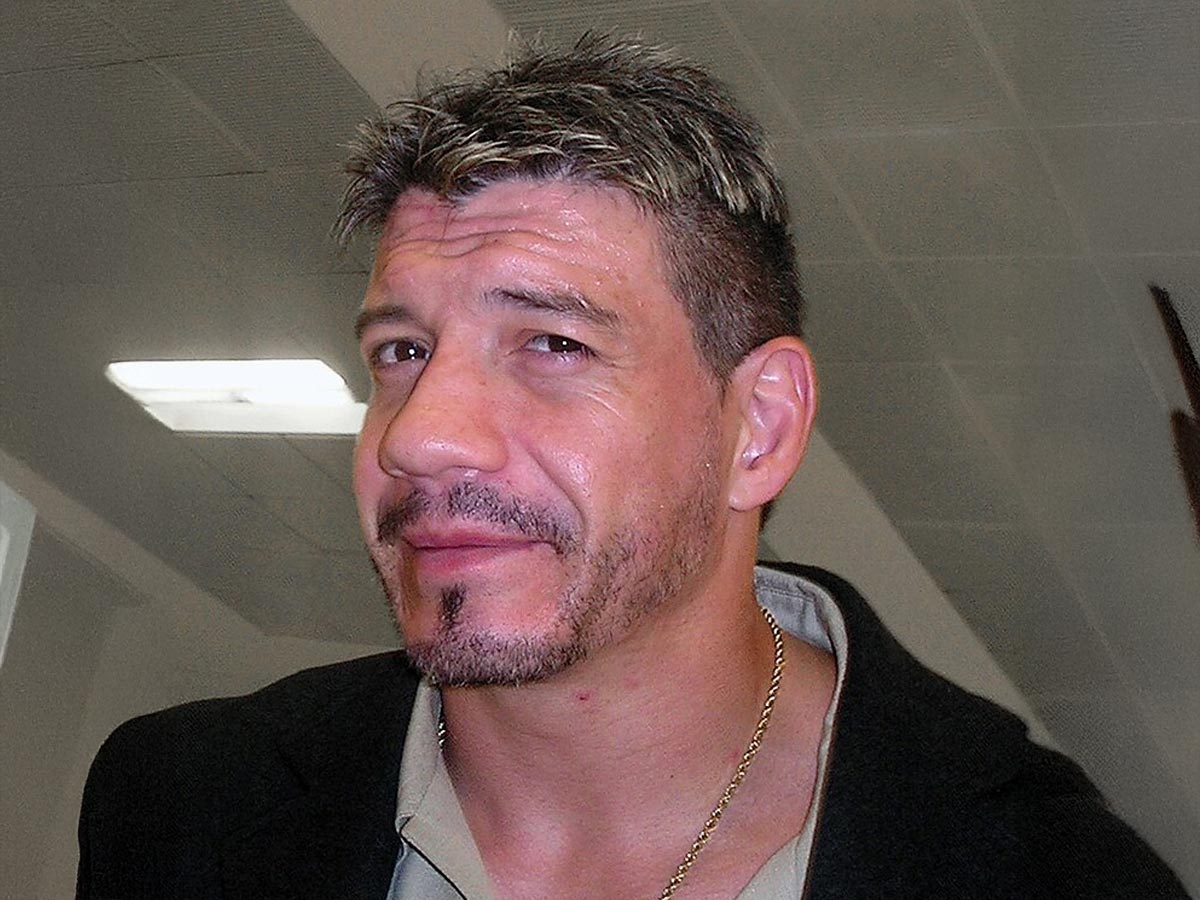
Eddie Guerrero’s legacy endures as one of wrestling’s most beloved and influential figures, even after his tragic passing in 2005. WWE frequently honors him through tributes, Hall of Fame recognition, and memorials, celebrating his charisma, technical skill, and larger-than-life personality.
Guerrero’s “Lie, Cheat, and Steal” persona continues to inspire wrestlers who blend humor, cunning, and athleticism. Beyond in-ring accomplishments, his warmth, mentorship, and ability to connect with fans left a lasting impression on colleagues and audiences alike. Eddie Guerrero may no longer be with us, but his influence, matches, and infectious personality remain immortal, proving that true legends never fade from wrestling history.

Jerry Lynn was a high-flying, technically gifted wrestler known for his agility, creativity, and ability to steal the spotlight in any match. Though he never became a mainstream WWE superstar, he made waves in ECW, TNA, and WCW with his innovative offense, including breathtaking top-rope maneuvers and precise counters.
Lynn was a fan favorite for his underdog persona, fearless style, and consistency in delivering exciting matches night after night. Whether in hardcore bouts or classic technical showdowns, he earned respect from peers and fans alike, proving that skill, heart, and determination could make a lasting impact even without the biggest spotlight.

Jerry Lynn has retired from full-time competition but remains a respected figure in wrestling, especially among hardcore and independent fans. He occasionally makes appearances at conventions, autograph signings, and special wrestling events, where fans celebrate his innovative style and memorable matches.
Beyond performing, Lynn has worked behind the scenes as a trainer and mentor, helping develop the next generation of high-flying and technical talent. His influence on cruiserweights and smaller wrestlers endures, proving that his blend of skill, creativity, and heart continues to inspire. Though he may no longer take bumps in the ring, Jerry Lynn’s legacy as a pioneering and fearless competitor is firmly cemented.

Último Dragón was a revolutionary figure in professional wrestling, bridging Japanese lucha libre and American wrestling styles with unmatched agility and technical mastery. Known for his dazzling high-flying maneuvers, precision strikes, and signature “Asai Moonsault,” he captured the imagination of fans worldwide.
As a multi-time champion across promotions like WCW, NJPW, and Michinoku Pro, Dragón showcased a blend of speed, athleticism, and storytelling that few could match. Beyond his in-ring accomplishments, he was a pioneer for international talent, proving that Japanese wrestlers could thrive on a global stage. His innovative style and charisma made him one of the most exciting and influential wrestlers of his era.

Último Dragón has transitioned from in-ring competitor to mentor and trainer, passing on his legendary lucha libre skills to a new generation of wrestlers. While he occasionally makes special appearances in Japan and on nostalgia-driven events, his primary focus is developing talent through his wrestling schools and promotions.
Dragón’s influence is evident in the countless high-flyers and technical wrestlers who cite him as an inspiration. Though he no longer dazzles audiences nightly with his Asai Moonsaults, his legacy endures as a pioneer who bridged international wrestling styles, leaving an indelible mark on both Japanese and global wrestling scenes.

Kurt Angle was the embodiment of Olympic-level intensity in WWE, a rare combination of technical mastery, charisma, and relentless drive. Bursting onto the scene as the gold-medal-winning amateur wrestler, Angle quickly transitioned into sports entertainment with a mix of humor, intensity, and an uncanny ability to sell both pain and triumph. Between WWF/WWE, Japan, and TNA, he’s won 21 total championships.
Before getting started with professional wrestling organizations, Angle also competed in the 1996 Atlanta Olympics, where he earned first place in wrestling. His in-ring style, fast, precise, and punishing, earned him multiple World Championships, legendary matches with stars like Shawn Michaels and Brock Lesnar, and a reputation as one of the best pure wrestlers of his generation.
Angle’s “It’s true, it’s damn true!” catchphrase, coupled with his mix of comedic timing and raw aggression, made him a fan favorite and a cornerstone of WWE programming.

There comes a time when the body slows down, and Kurt attributed this as a sign that it was time to retire. Fortunately for fans, he stayed in the WWE circuit. Now, Kurt Angle acts as a backstage producer, but that doesn’t stop him from appearing on camera from time to time. He also enjoys making movies, appearing in films like Pain & Gain, Sharknado 2: The Second One, and The Last Witch Hunter.