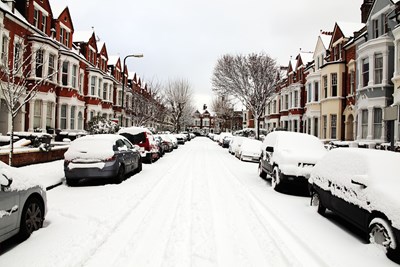
Winter weather is a rarity in the southern United States, but when it does show up, it normally creates chaos for a region not accustomed to freezing weather. As of now, it looks like the region is going to take another pummeling from snow and ice during the weekend of January 23, 2026.
Here is a look at some other times frigid temps and bad weather left the South wishing for warmer weather.
The Great Blizzard of 1899
The Great Blizzard of 1899, also known as the "Great Arctic Outbreak," was a winter storm that brought record-breaking cold and heavy snow to the southern United States in February 1899. This rare event saw temperatures plummet to unprecedented lows, with Tallahassee, Florida, recording a frigid 2°F—the coldest temperature in the state’s history. Snowfall blanketed areas as far south as New Orleans, where 3.8 inches fell, and even parts of Florida saw measurable snow, a phenomenon almost unheard of.
Crops, particularly citrus in Florida, were decimated, leading to significant economic losses for the agricultural sector. Rivers and harbors froze, disrupting transportation and trade, while livestock perished in the extreme cold.
The Knickerbocker Storm of 1922
The Knickerbocker Storm of January 1922 was one of the most devastating winter storms to hit the eastern United States, leaving a lasting mark on the South. Named after the tragic collapse of Washington, D.C.'s Knickerbocker Theatre, the storm dumped unprecedented amounts of snow across the region.
Southern states, unaccustomed to such severe winter weather, were particularly hard-hit. Cities like Richmond, Virginia, and parts of North Carolina experienced heavy snowfall, paralyzing transportation and communication networks. The storm's impacts were far-reaching, with widespread power outages, collapsed roofs, and disrupted supply chains. In Washington, D.C., the Knickerbocker Theatre disaster claimed 98 lives and injured 133.
The Great Snowstorm of 1973
The Great Southeastern Snowstorm of February 1973 was a rare and record-breaking winter event that brought the Deep South to a standstill. Cities like Columbia, South Carolina, and Augusta, Georgia, saw snowfall totals of up to 18-24 inches, shattering records and grinding life to a halt. Schools, businesses, and transportation systems were forced to shut down, and emergency services struggled to respond to the widespread disruptions. Rural areas, in particular, faced significant challenges, with some communities cut off for days.
For the South, the 1973 snowstorm was a wake-up call, highlighting the region’s lack of preparedness for extreme winter weather.
It remains one of the most significant snowstorms in Southeastern history, remembered for its unprecedented scale and the challenges it posed to a region unaccustomed to such conditions.
1993 "Storm of the Century"
The "Storm of the Century" in March 1993 was a historic weather event that pummeled the southeastern United States. Spanning from the Gulf of Mexico to the Eastern Seaboard, this massive storm brought record-breaking snowfall, hurricane-force winds, and severe thunderstorms to a region unaccustomed to such extremes.
Southern states like Alabama, Georgia, and Tennessee were blanketed with heavy snow, with some areas seeing accumulations of up to 20 inches. Florida faced a deadly storm surge along its Gulf Coast, causing widespread flooding and destruction. The storm also unleashed tornadoes, further compounding the devastation. The impacts were staggering: over 270 fatalities, millions left without power, and billions of dollars in damages.
The 2025 Gulf Coast Blizzard
The 2025 Gulf Coast Blizzard, also known as Winter Storm Enzo, struck the southern United States from January 20-22, 2025. This historic storm brought record-breaking snowfall with totals ranging from 6 to 12 inches across southeast Texas, Louisiana, Mississippi, Alabama, and the Florida Panhandle. Pensacola, Florida, shattered its previous snowfall record with 8.9 inches, while New Orleans recorded 8 inches, its heaviest snowfall in over a century.
The storm caused widespread disruptions, including road closures, power outages, and structural damage, such as the collapse of the Mobile Civic Center roof.