If NASCAR had a royal court, Richard Petty would be sitting comfortably on the throne, crown tilted, sunglasses on. Known simply as “The King,” Petty racked up a mind-blowing 200 career wins—yes, 200—and seven Cup Series championships. His blue No. 43 Plymouth became as iconic as his feathered cowboy hat, and his presence helped turn NASCAR from a Southern spectacle into a national obsession.
Petty wasn’t just fast; he was magnetic. He holds the record for most Daytona 500 victories with seven, and once won a staggering 27 races in the single season of 1967. Son of Lee, Petty continues to own and operate the team under his family name and remains incredibly active in NASCAR today. Without a doubt, Richard Petty will always go down as the most legendary driver in the sport’s history.

If Richard Petty was NASCAR’s king, then Jimmie Johnson was its smooth, unshakable tactician. Known for his calm demeanor and laser focus, Johnson didn’t need to crash into headlines—he let the results speak for themselves. Seven Cup Series championships, including an unheard-of five in a row from 2006 to 2010, made him one of the sport’s most efficient winners. His No. 48 car became a blur of precision and patience, proving that dominance doesn’t always have to be loud.
Johnson’s secret weapon was his partnership with crew chief Chad Knaus—a duo so in sync, they practically finished each other’s pit calls. Together, they turned strategy into an art form and made winning look almost routine. While some fans craved the drama of NASCAR’s rougher eras, Johnson’s reign reminded everyone that intelligence and consistency could be just as thrilling as raw aggression.

Dale Earnhardt Sr. wasn’t called "The Intimidator" for nothing. Behind the wheel of his black No. 3 Chevrolet, he raced with a mix of aggression, skill, and fearlessness that few could match. Over his career, Earnhardt earned seven Cup Series championships and 76 wins, cementing his place as one of the most dominant figures in motorsports history. His racing style—hard-charging, bold, and unapologetic—helped define NASCAR’s gritty, blue-collar image throughout the 1980s and ’90s.
Beyond his success on the track, Earnhardt represented the heart of NASCAR’s identity: resilience and determination. He became a hero to working-class fans who saw their own perseverance reflected in his relentless drive. His tragic death during the 2001 Daytona 500 marked the end of an era but also led to major advancements in safety that continue to protect drivers today.

Jeff Gordon became the defining figure of NASCAR’s new generation in the 1990s, expanding the sport beyond its Southern roots. Behind the wheel of his rainbow-colored No. 24 Chevrolet for Rick Hendrick, he amassed 93 career wins, 477 top-10 finishes, and four Cup Series championships over a 25-year career. Known as the “Rainbow Warrior,” Gordon was also NASCAR’s iron man, starting 797 consecutive races and qualifying at the pole in 23 straight seasons.
His professionalism and media-savvy image helped make NASCAR more polished and marketable, paving the way for sponsorships, TV coverage, and broader national appeal. Since retiring in 2015, Gordon has remained deeply involved with Hendrick Motorsports as a management partner and co-owner, and he now shares his expertise in the broadcast booth with FOX.

David Pearson earned his nickname, “The Silver Fox,” for his calm, calculating approach to racing. He wasn’t known for reckless moves or showy celebrations—he was known for winning smart. With 105 career victories and three Cup Series championships, Pearson achieved one of the highest win percentages in NASCAR history, proving that patience and precision could be just as powerful as raw speed.
Pearson’s career was defined as much by timing as talent. Racing alongside Richard Petty, he finished first or second an astounding 63 times, creating one of NASCAR’s most memorable rivalries. Despite competing against the sport’s most dominant driver, Pearson won more than half of Petty’s total victories in fewer starts. The two shared mutual respect, each recognizing the other as the toughest competition they faced.

Cale Yarborough made history by becoming the first driver to win three consecutive Cup Series championships, claiming the titles from 1976 to 1978. Known for his aggressive driving style and fearless approach to racing, Yarborough amassed 83 career wins and became a defining figure in NASCAR’s competitive landscape during the 1970s.
He won nearly 15% of all races he participated in, and his success notably landed him as only the second driver ever to appear on the cover of Sports Illustrated. He also earned himself the Driver of the Year award three times.

Darrell Waltrip combined talent on the track with a larger-than-life personality off it, making him one of NASCAR’s most memorable figures. Over his career, he earned three Cup Series championships and 84 wins, including a victory at the prestigious Daytona 500. Waltrip’s aggressive driving style and willingness to take risks often put him in contention for wins, earning respect from fans and competitors alike.
What set Waltrip apart was his larger-than-life presence off the track. The older brother of Michael Waltrip, he brought the same energy to the broadcast booth as he did behind the wheel, commentating for FOX up until 2019. His flair for entertainment, boldness, and charisma helped him connect with fans and made him one of NASCAR’s most memorable figures.

Bobby Allison was one of NASCAR’s most versatile and competitive drivers, dominating the sport from the 1960s through the 1980s. Over his career, he earned 84 wins, three Daytona 500 victories, and a Cup Series championship in 1983. Known for his ability to perform under pressure and adapt to changing race conditions, Allison consistently battled at the front of the pack, proving his skill on every type of track.
Allison’s career was filled with memorable moments, including a famous on-track fight with Cale Yarborough after a wreck in the 1979 Daytona 500, which remains one of NASCAR’s most talked-about incidents. Beyond his accomplishments on the track, Allison played a key role in shaping the growth of NASCAR, helping draw national attention to the sport and inspiring future generations of drivers. Despite suffering life-threatening injuries in 1988 that forced him to retire, his legacy endures, earning him a well-deserved place in the NASCAR Hall of Fame.

Kyle Busch has built a reputation as one of the most prolific winners in modern NASCAR. With over 226 victories across all NASCAR series and two Cup Series championships, he’s known for his aggressive driving style, versatility, and ability to compete at the front on nearly any track. Busch’s approach combines raw speed with calculated risk, making him a formidable opponent in every race he enters.
Busch’s career reflects how modern NASCAR has evolved into a fast-paced, highly competitive sport where consistency and adaptability are key. He races with an intensity that keeps fans on edge, while also mentoring younger drivers and showing that success comes from a mix of talent, preparation, and relentless determination.
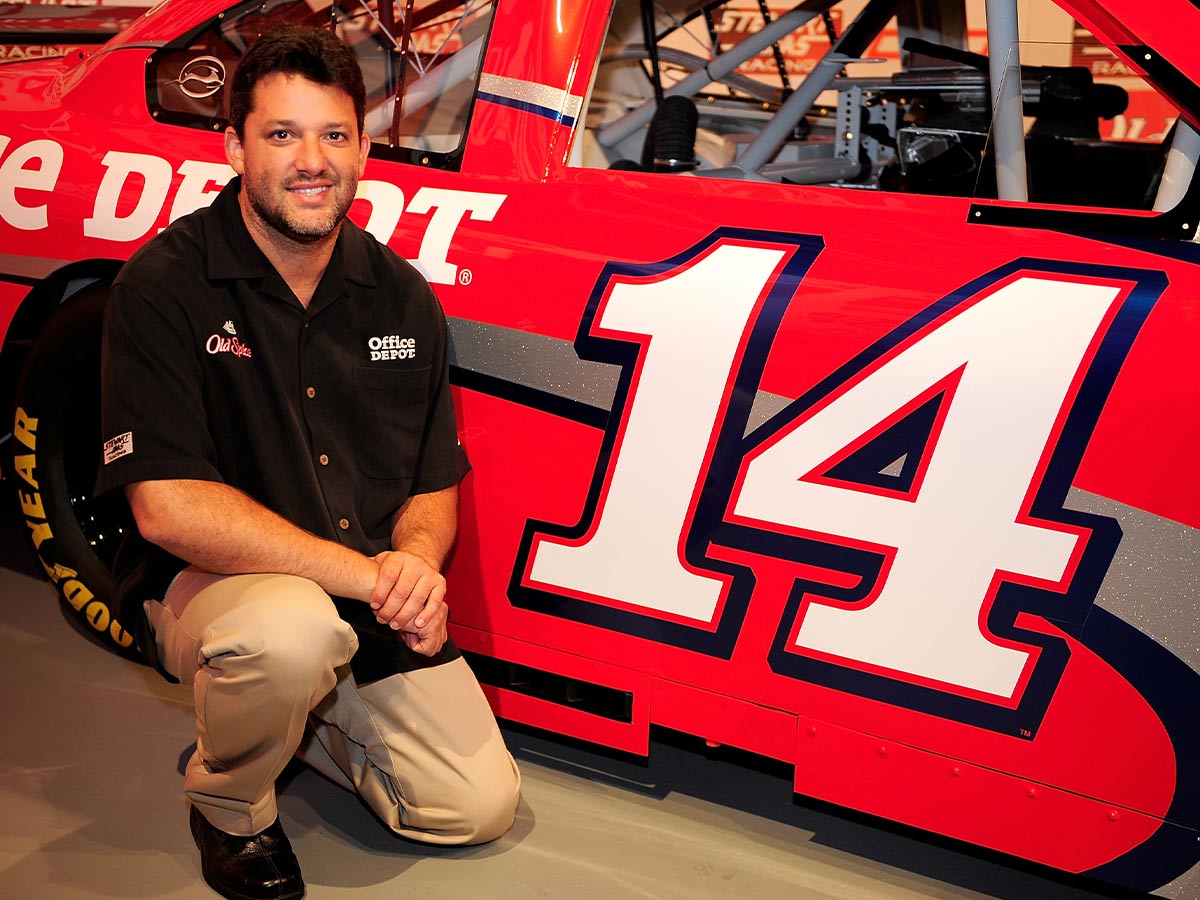
Tony Stewart built his reputation on adaptability, skill, and fierce competitiveness, both on and off the NASCAR track. A three-time Cup Series champion with 49 career wins, Stewart also excelled in other motorsports, including IndyCar, proving that his talent extended far beyond stock cars. His ability to switch between racing formats while maintaining top performance highlights his versatility and strategic thinking.
Stewart’s aggressive driving style made him a formidable competitor, often putting him in contention for wins against the toughest opponents. His career wasn’t without controversy—an on-track incident in 2014 tragically resulted in the death of fellow driver Kevin Ward Jr., a moment that underscored the dangers and intensity of the sport. Beyond the statistics and incidents, Stewart earned a reputation for leadership, mentoring younger drivers, and leaving a lasting impact on NASCAR.